Triathlon Training Adaptations: What Happens to Your Body in 12 Weeks
When you start a triathlon training block, your body undergoes remarkable physiological changes — but understanding when they happen helps you trust the process when progress feels frustratingly slow. Here’s what’s happening inside your body across a 12-week training cycle.
Weeks 1–4: Foundation Adaptations
The most significant early changes are cardiovascular and neurological rather than muscular. Your heart becomes more efficient — stroke volume increases, meaning it pumps more blood per beat. Plasma volume expands, making your blood better at delivering oxygen to working muscles. You might not feel dramatically fitter yet, but your resting heart rate will start to drop and sessions that felt hard in week 1 will feel more manageable by week 4.
- Plasma volume expansion — improved oxygen-carrying capacity
- Increased cardiac stroke volume — heart pumps more per beat
- Early mitochondrial development begins in active muscle fibres
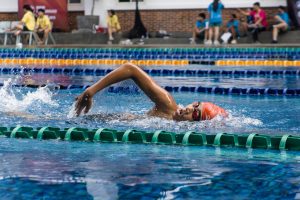
- Neuromuscular patterning improves — swimming and pedalling become more economical
Weeks 5–8: Build Adaptations
This is when most athletes notice they’re becoming measurably faster or more efficient. Mitochondrial density — the number and quality of energy-producing units inside your muscle cells — increases significantly during this phase. Your lactate threshold rises, meaning you can sustain harder efforts before lactic acid accumulates to fatigue-causing levels. Fat oxidation at moderate intensities improves, which matters enormously for long-course racing.
- Increased mitochondrial density in slow-twitch muscle fibres
- Improved lactate clearance and elevated lactate threshold
- Enhanced fat oxidation at Zone 2 intensities (metabolic efficiency)
- Improved capillary density — better oxygen delivery to muscles
Weeks 9–12: Peak Adaptations
Peak training volume produces the final layer of performance gains, including VO2max improvements and running and cycling economy gains. Your movement becomes more efficient as your neuromuscular system learns to recruit the right muscles in the right sequence. Many athletes hit a perceived plateau here — this is normal and often signals that your body is consolidating gains before the taper phase pays out.
- Peak VO2max gains — up to 15–20% from baseline in previously untrained athletes
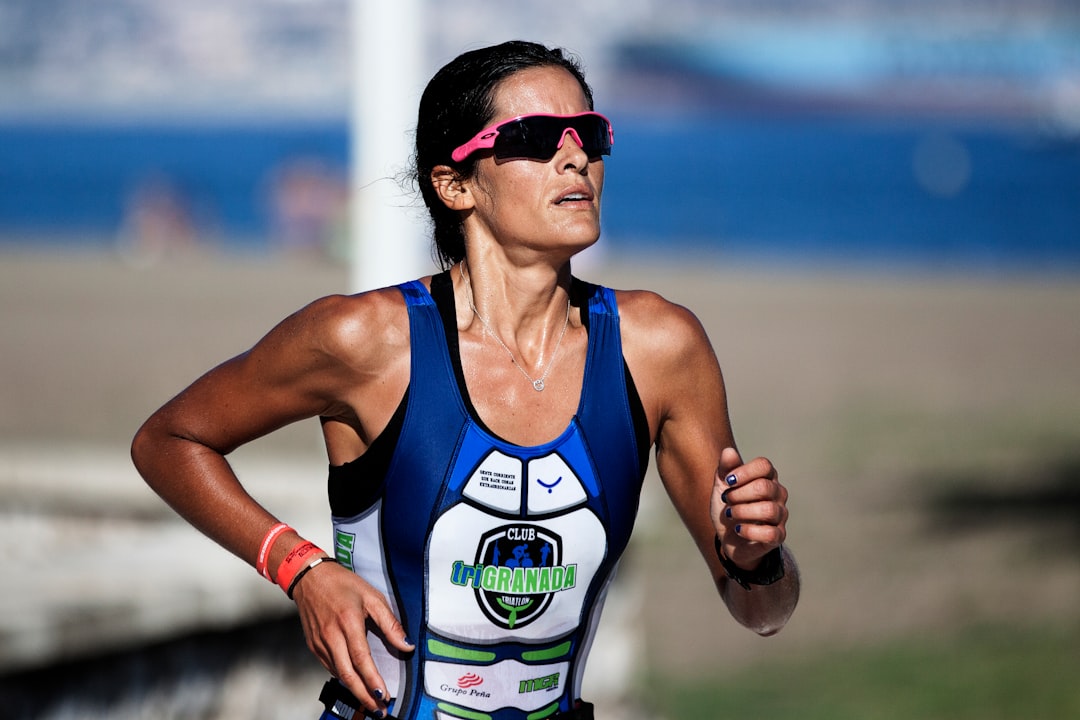
- Improved running economy and cycling efficiency
- Greater capacity to sustain race-pace effort for longer
- Psychological resilience and pacing accuracy sharpen from race-pace exposure
The Role of Recovery in Adaptation
Adaptations don’t happen during training — they happen during recovery. Training creates the stimulus; sleep and rest days are when your body repairs and rebuilds stronger. Without sufficient recovery, you accumulate fatigue without the adaptation payoff. Most athletes who plateau mid-block need more sleep and rest days, not more training volume.
Why Progress Feels Non-Linear
Most athletes notice rapid gains in weeks 2–5, a perceived plateau around weeks 6–8, and a second surge in performance in weeks 9–12. This isn’t a sign your training isn’t working — it’s the natural rhythm of adaptation. Physiological changes outpace your subjective perception of them. Trust the process, keep your easy days easy, and let the adaptations accumulate.