
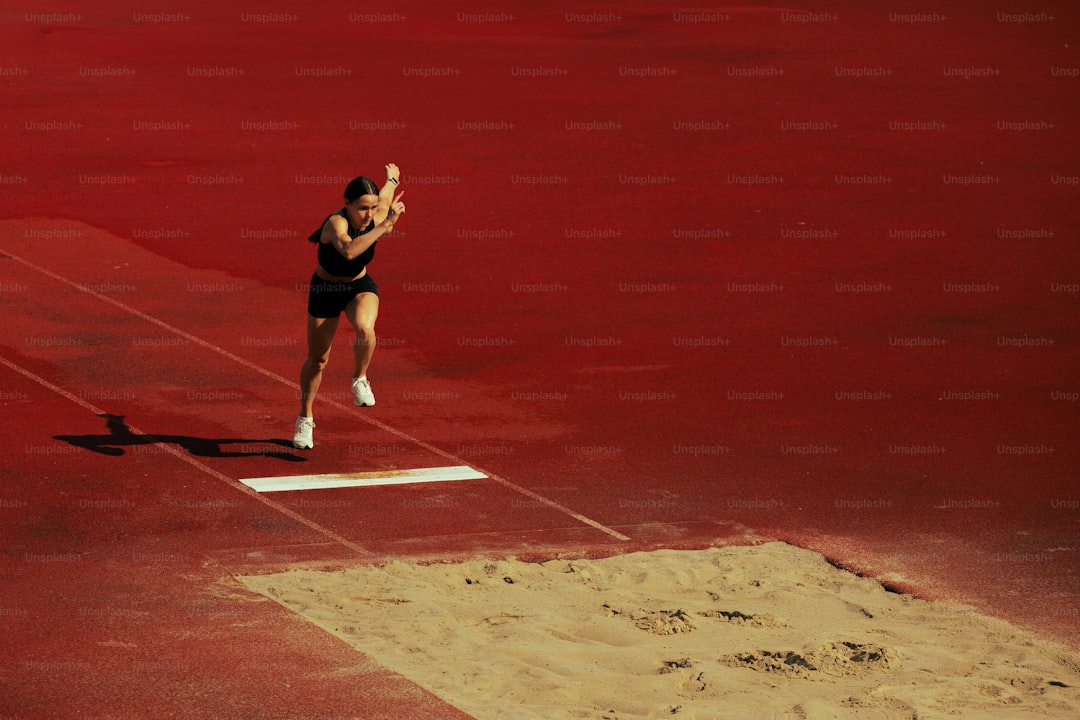
Strides and Accelerations: 30-Minute Run Speed Session
Session Overview
Strides are short, controlled accelerations that improve running economy, neuromuscular coordination, and leg speed. This 30-minute session is ideal as a standalone quality session or tacked onto the end of an easy run, and is particularly useful in the weeks building up to race season.
What You’ll Need
- Running shoes (your race shoes if possible)
- Flat, smooth surface — road, track, or firm grass
- GPS watch or phone for tracking total session time
Warm-Up (10 minutes)
Begin with 10 minutes of easy running at conversational pace (zone 1-2, RPE 4/10). Follow with 2 minutes of dynamic warm-up drills: high knees, butt kicks, lateral lunges, and ankle circles. Your legs should feel warm and loose before beginning strides.
Main Set
Complete 6 to 8 strides of 80-100 metres each. Each stride should begin gradually, accelerate smoothly to roughly 85-90% of maximum speed over the first 30 metres, hold that effort for 40-50 metres, then decelerate naturally. Walk or stand still for 60-90 seconds between each stride — full recovery is essential so every rep is high quality.
- Stride 1-2: focus on smooth acceleration — no forcing
- Stride 3-4: add focus to arm drive — elbows at 90 degrees, hands relaxed
- Stride 5-6: focus on high knee lift and quick foot turnover
- Strides 7-8 (optional): go slightly faster if legs feel fresh
Cool-Down (5 minutes)
Jog easily for 5 minutes, then walk for 2-3 minutes. Complete a short static stretch routine for the quads, hamstrings, calves, and hip flexors. Total session time should be around 30 minutes.
Coaching Notes
- Strides are not sprints — do not go to 100% effort; the goal is smooth, efficient speed
- Focus on form throughout: tall posture, relaxed shoulders, quick ground contact time
- Add 4-6 strides after easy runs 2-3 times per week during race build phase
- If your legs feel heavy or stiff, reduce to 4 strides and do not push — adaptation happens during recovery
You Might Also Like





Training at your own risk. The information provided is for general guidance only and is not a substitute for professional medical advice. Please consult a doctor before starting any new exercise programme, especially if you have any pre-existing health conditions.