
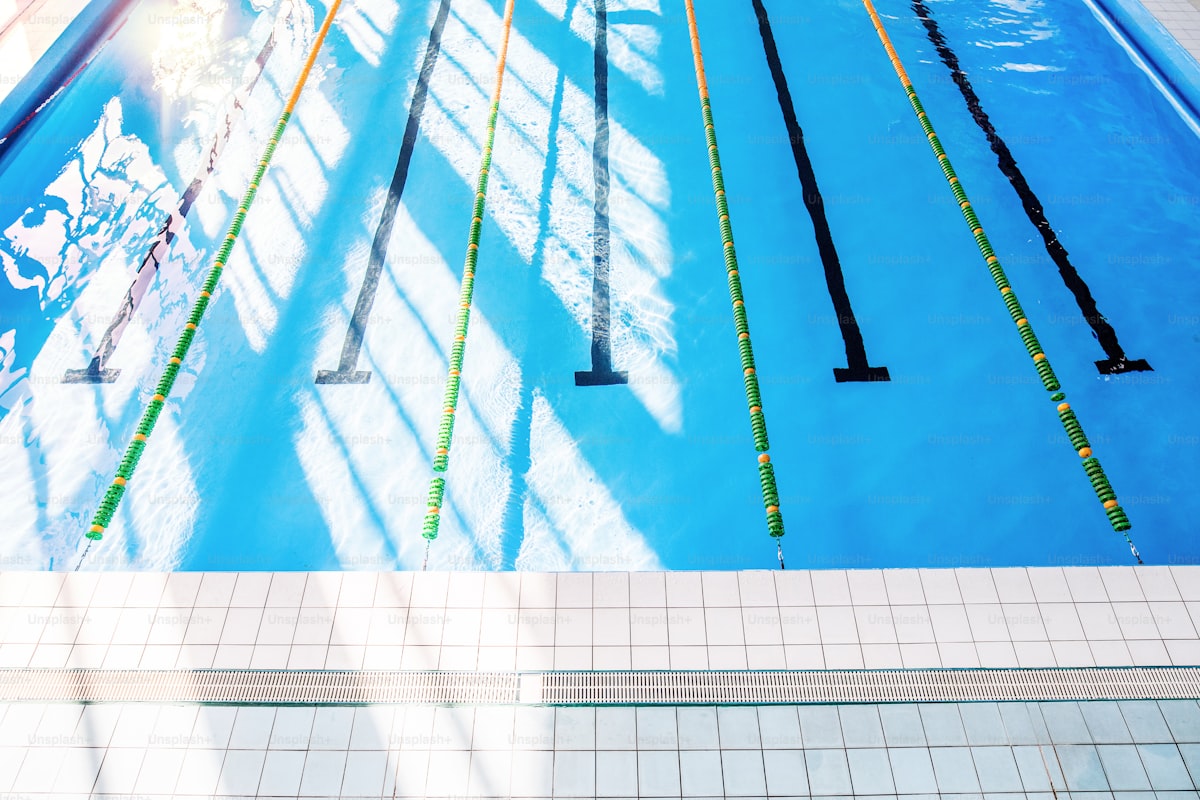
Recovery Swim: 30-Minute Active Recovery Pool Session
Session Overview
This 30-minute active recovery swim is designed to be used the day after a hard bike or run session. The goal is not fitness — it’s to increase blood flow, flush lactic acid from tired muscles and maintain body awareness in the water without adding meaningful training stress. Beginners and returning swimmers will also find this session builds water confidence without the pressure of a structured workout.
What You’ll Need
- Swimming pool with lane access
- Goggles
- Pull buoy (optional — helps tired legs float easily)
- Kickboard (optional — for gentle kick sets at the end)
Warm-Up (5 minutes)
Slide gently into the pool and swim 100m very slowly — this should feel effortless. Focus on long, smooth strokes and full exhalation underwater. There is no target pace here; simply move through the water and let your body loosen up. If anything feels tight or uncomfortable, kick back the effort level further.
Main Set
This is deliberately unstructured. The only rule is to keep the effort very easy throughout — RPE 2–3/10, never exceeding a conversational pace.
- 4 x 100m easy freestyle: 30 seconds rest between each. Breathe every 2 strokes rather than every 3 if you need more air — recovery sessions aren’t the place for breath restriction drills.
- 200m pull buoy (if available): Rest your legs completely on the pull buoy and focus only on your arm stroke and rotation. This gives your legs a full break while keeping you moving.
- 2 x 50m choice of stroke: Backstroke or breaststroke preferred — they recruit different muscle groups and give your freestyle muscles a rest. Easy effort throughout.
Cool-Down (5 minutes)
Swim 2 x 50m backstroke at very easy effort, focusing on deep breathing and full body extension. Exit the pool slowly, stretch your shoulders and arms poolside, and hydrate. A recovery session that leaves you feeling better than when you arrived is a successful session.
Coaching Notes
- If you feel worse in the water than before you got in, exit early — you may need full rest rather than active recovery.
- Don’t compete with faster swimmers in adjacent lanes during this session — resist the temptation to match their pace.
- This session can be shortened to 20 minutes if time is limited without losing its recovery benefit.
- Use this session to focus on small technique improvements — a relaxed arm entry, a longer glide, softer hand entry — rather than speed or fitness.
You Might Also Like



Training at your own risk. The information provided is for general guidance only and is not a substitute for professional medical advice. Please consult a doctor before starting any new exercise programme, especially if you have any pre-existing health conditions.