
Open Water Swim: Sighting and Navigation Session
Session Overview
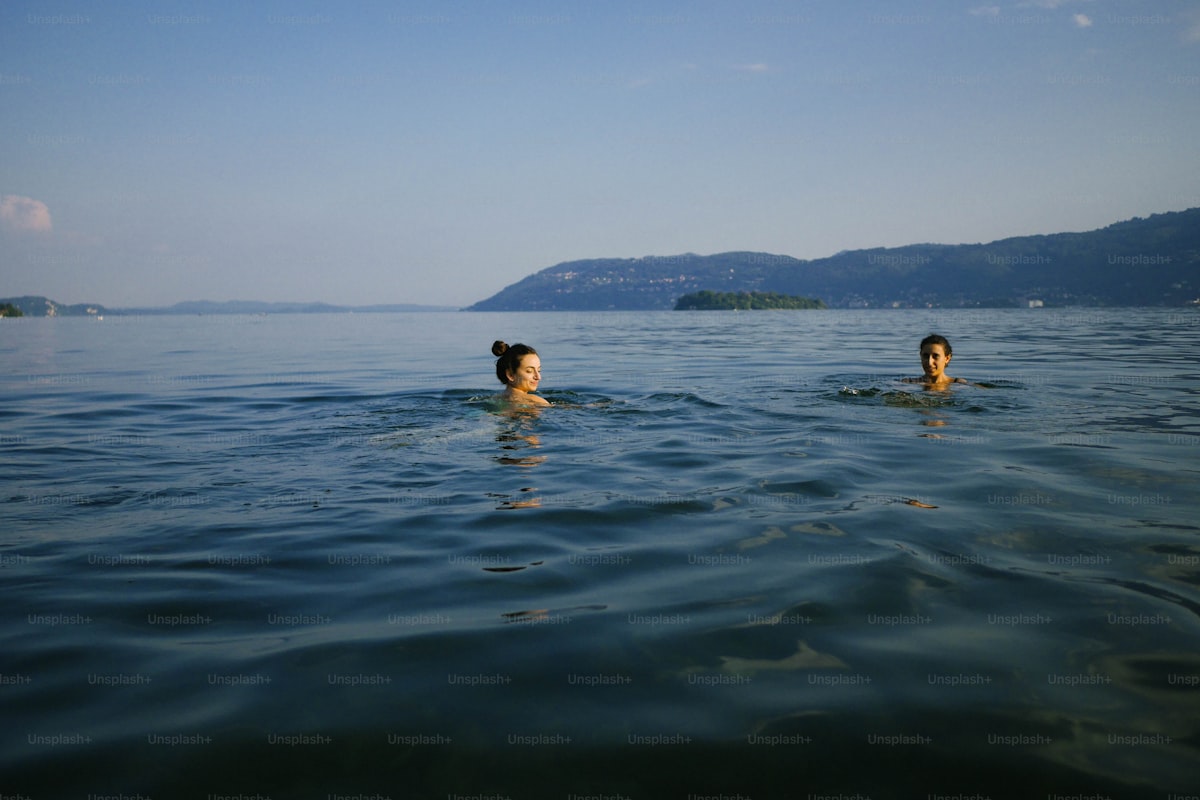
This 45-minute open water technique session focuses on sighting and navigation — the key skills that separate confident open water swimmers from those who add hundreds of metres to their race by swimming off course. Designed for intermediate swimmers making the transition from pool to open water racing, this session builds efficient sighting habits in a controlled environment.
What You’ll Need
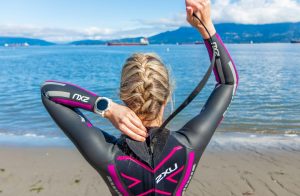
- Triathlon wetsuit (recommended for UK water temperatures)
- Open-water goggles — polarised or tinted for sunny conditions
- Tow float — for safety and visibility
- A swim buddy or safety support on shore
- A fixed landmark or buoy to practise sighting on
Warm-Up (8 minutes)
Enter the water and spend 2 minutes acclimatising — submerge your face, breathe out slowly and let your heart rate settle. Then swim an easy 200m loop, focusing solely on settling into a relaxed breathing pattern. No speed work, no effort — just get comfortable in the environment before any technique work begins.
Main Set
Complete the following sequence with brief rests between each block:
- Block 1 — Sighting Drills (10 minutes): Swim 4 x 100m loops. On each length, sight every 6 strokes. Focus on lifting only your eyes above the water (not your whole head), finding your landmark, then returning your face to the water smoothly without disrupting your stroke rhythm. Rest 30 seconds between each 100m.
- Block 2 — Navigation Challenge (15 minutes): Swim a rectangular course using 4 landmarks or buoys. Complete 3 full laps, sighting on each corner. Count how many extra strokes you need to correct your line — aim to reduce this lap by lap. Rest 1 minute between each lap.
- Block 3 — Race-Pace Sighting (7 minutes): Swim 2 x 200m at moderate effort (RPE 6/10). Sight every 8–10 strokes at pace rather than at easy effort. This replicates race conditions where fatigue makes sighting harder.
Cool-Down (5 minutes)
Swim a relaxed 100–150m at very easy effort. Focus on long, smooth strokes and full exhalation. Exit the water carefully and warm up on shore — change out of your wetsuit promptly to prevent your body temperature dropping in the wind.
Coaching Notes
- The most common sighting mistake is lifting the whole head too high — this sinks the hips and slows you down. Lift only your eyes.
- Choose a landmark that won’t move or change — a tree, tower or building on the horizon rather than another swimmer.
- If you find yourself consistently veering left or right, identify whether it’s your stroke asymmetry or sighting frequency causing the problem.
- RPE for the main set should be 5–6/10 — this is a technique session, not a fitness session. Fatigue compromises technique.
You Might Also Like



Training at your own risk. The information provided is for general guidance only and is not a substitute for professional medical advice. Please consult a doctor before starting any new exercise programme, especially if you have any pre-existing health conditions.