

Progressive Long Run: 3-Stage Build to Half-Marathon Pace
Session Overview
A three-stage progressive long run that starts at easy aerobic pace and finishes at half-marathon effort — a session that trains your legs to hold form and pace when fatigued, which is exactly what the run leg of any triathlon demands after hours on the bike.
What You’ll Need
- Running shoes suited to your usual training mileage
- GPS watch or app to track pace across each stage
- A gel or carb source for the final stage if you’re prone to fading late in long runs
- Water accessible partway through if running a loop or out-and-back route
Warm-Up (10 minutes)
10 minutes very easy jogging, gradually increasing cadence over the final 2-3 minutes to prepare your legs for Stage 1.
Main Set
Three clearly defined stages, each faster than the last, run back-to-back with no rest between them.
- Stage 1 (30 minutes) — easy, conversational aerobic pace. This should feel comfortably sustainable, not a warm-up you’re rushing through.
- Stage 2 (20 minutes) — steady/tempo effort, roughly 20-30 seconds per km faster than Stage 1. Breathing becomes noticeably harder but you should still be able to speak in short sentences.
- Stage 3 (15-20 minutes) — half-marathon race effort. This is the stage that trains your ability to hold pace on tired legs — expect it to feel genuinely hard by the final few minutes.
Cool-Down (10 minutes)
10 minutes very easy jogging or walking, followed by light stretching focused on calves, hamstrings and hip flexors.
Coaching Notes
- Resist starting Stage 1 too fast — the whole point of the session is a genuine progression, and an over-eager start undermines the pacing discipline you’re training.
- Common mistake: treating Stage 2 as “medium-hard” rather than a distinct tempo effort — there should be a clear, deliberate step up from Stage 1.
- Scaling option: shorten Stage 3 to 10 minutes if you’re newer to structured long runs, and build the duration over successive weeks.
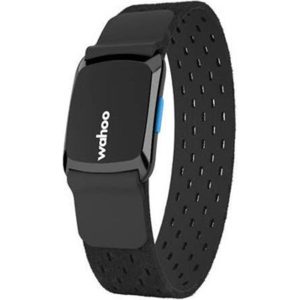
- Target heart rate: Stage 1 in Zone 2, Stage 2 in Zone 3, Stage 3 in Zone 4 — adjust by feel if you don’t train with a heart rate monitor.
You Might Also Like



Training at your own risk. The information provided is for general guidance only and is not a substitute for professional medical advice. Please consult a doctor before starting any new exercise programme, especially if you have any pre-existing health conditions.