
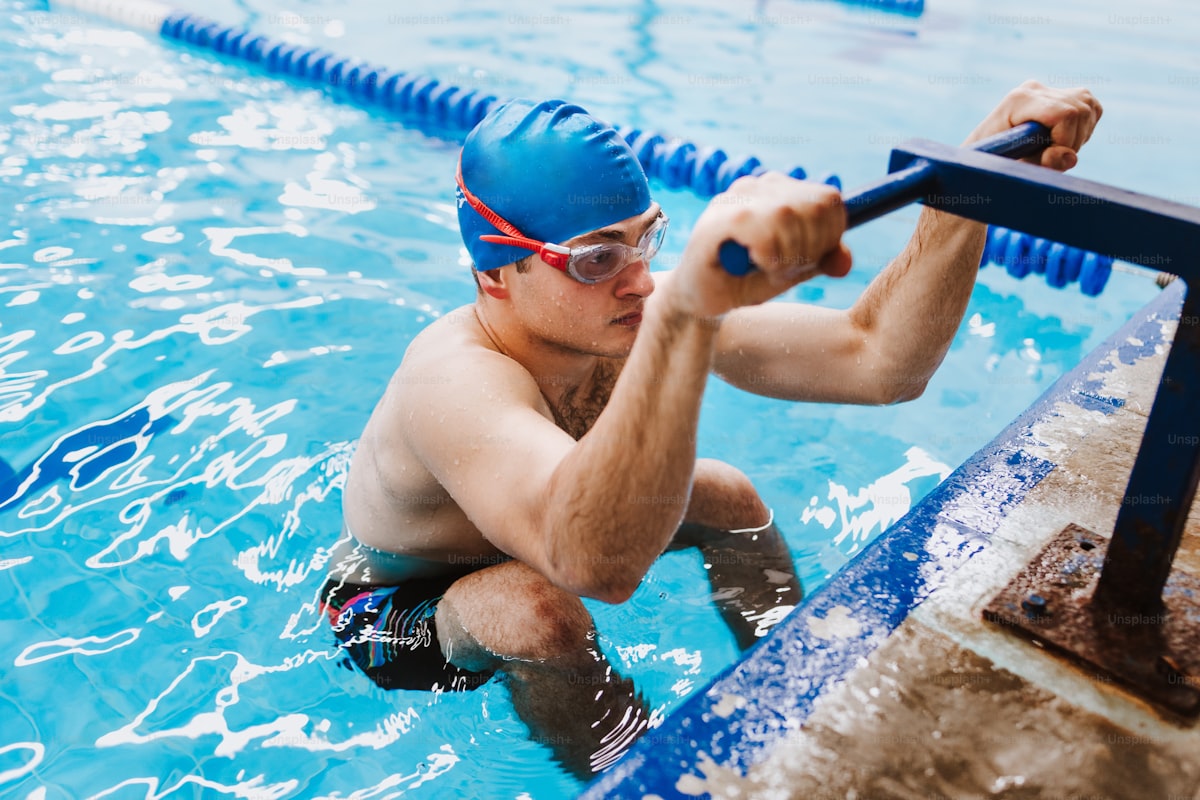
Open Water Swim: Wetsuit Familiarisation Session for Beginners
Session Overview
This beginner-friendly 45-minute session is designed for swimmers making the transition from the pool to open water in a wetsuit for the first time. The focus is comfort, buoyancy awareness, and breathing — not speed or distance.
What You’ll Need
- Triathlon or swimming wetsuit (correctly fitted)
- Swim cap (bright colour recommended for visibility)
- Goggles with anti-fog treatment
- Tow float or safety buoy
- Swim buddy or lifeguard supervision — never swim open water alone
Warm-Up (10 minutes)
Wade in gradually. Splash water onto your face and the back of your neck before submerging — this helps your body acclimatise to the temperature and reduces cold water shock. Float on your back for 60 seconds to experience the buoyancy of the wetsuit. Then swim slowly for 5 minutes, focusing purely on relaxed breathing.
Main Set
The main set is about building familiarity, not covering distance. Swim in a defined safe area with visibility of the shoreline or pool exit at all times.
- 2 x 5 minutes of easy swimming with 1 minute rest — focus on relaxed breathing and arm entry
- Sighting practice: every 8-10 strokes, lift your eyes briefly above the waterline to spot your target
- 1 x 5 minutes at a slightly firmer effort — notice how the wetsuit supports your legs
- Roll onto your back and float for 1-2 minutes at any point if you feel breathless or anxious
Cool-Down (5 minutes)
Swim easily to the exit point. Remove your wetsuit in stages — unzip the back, peel down to the waist, then sit and roll it off your legs. Practising this sequence now makes it much faster in transition on race day.
Coaching Notes
- A wetsuit that is too tight around the chest can restrict breathing — ensure correct sizing before entering the water
- If you feel anxious in open water, slow your breathing before slowing your stroke — panic increases when you try to fight the water
- The wetsuit will make you significantly more buoyant than pool swimming — your legs will sit higher, which initially feels unusual
- Apply a thin layer of body glide or petroleum jelly to the neck and wrist cuffs to prevent chafing
You Might Also Like




Training at your own risk. The information provided is for general guidance only and is not a substitute for professional medical advice. Please consult a doctor before starting any new exercise programme, especially if you have any pre-existing health conditions.