
Fartlek Swim Set: Unstructured Speed Play in the Pool
Session Overview
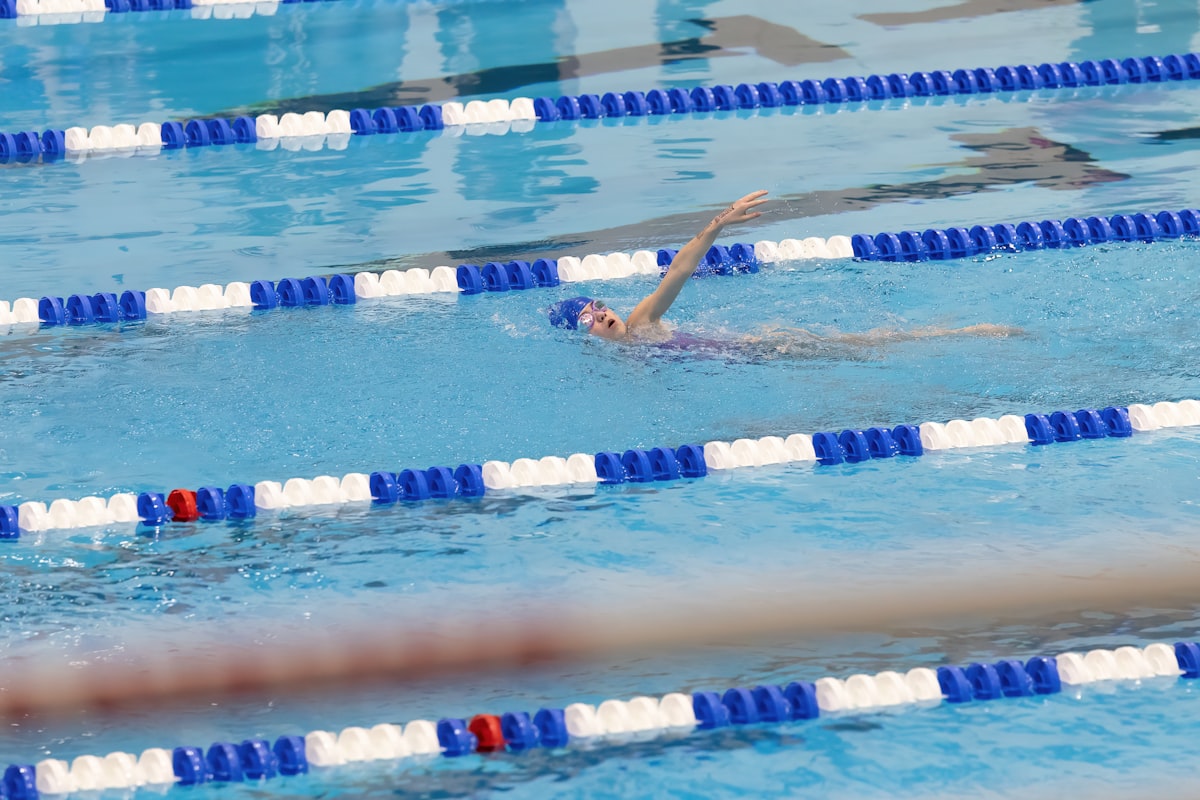
A fartlek swim session brings the spontaneous, unstructured speed of fartlek running into the pool. Rather than fixed rep distances, you vary your pace in response to how you feel — fast when you feel good, easy when you need recovery. This approach develops both speed and race awareness, and is a refreshing change from rigid interval sets. Perfect for intermediate swimmers who want to work on pace changes without the pressure of a stopwatch.
What You’ll Need
- Pool — 25m or 50m
- Waterproof watch or pool clock (optional)
- Goggles and cap
Warm-Up (10 minutes)
Swim 400m easy. Include 2 x 25m at slightly elevated pace to awaken your speed gears. 15 seconds rest between fast lengths. Then rest 30 seconds before starting the main set.
Main Set (20 minutes continuous)
The main set is 20 minutes of continuous swimming with pace variations based on feel. Use pool tiles, lane markers, or your own sense of effort to guide pace changes. The general rhythm to follow:
- Easy 2 lengths (50m) — settle in, easy aerobic effort (RPE 3–4)
- Fast 1 length (25m) — hard sprint effort (RPE 8–9)
- Easy 1 length (25m) — active recovery (RPE 2–3)
- Medium pace 2 lengths (50m) — threshold effort (RPE 6–7)
- Easy 1 length (25m) — recovery
- Repeat the above pattern for the full 20 minutes, varying the fast and medium lengths based on how you feel
Cool-Down (10 minutes)
Swim 300m easy, mixing strokes if you like — backstroke and breaststroke are great for recovery. Focus on relaxed breathing and let your heart rate come down fully before getting out.
Coaching Notes
- The beauty of fartlek is freedom — do not overthink the exact lengths or pace. Go by feel.
- If you feel great mid-session, add a few extra fast lengths. If tired, make the easy lengths longer.
- This session teaches you to respond to your body — a crucial race-day skill when conditions change
- To make harder: shorten the easy recovery lengths. To make easier: extend the easy intervals and reduce fast lengths.
You Might Also Like



Training at your own risk. The information provided is for general guidance only and is not a substitute for professional medical advice. Please consult a doctor before starting any new exercise programme, especially if you have any pre-existing health conditions.