Ironman Nutrition Strategy: Fuelling for 10+ Hours
Fuelling an IRONMAN is one of the most complex nutrition challenges in endurance sport. With up to 10-17 hours on course, your body will burn through glycogen stores multiple times. Get it right and you’ll finish strong; get it wrong and you’ll face the dreaded bonk. Here’s a complete strategy for fuelling your IRONMAN from start to finish.
The Basic Maths: Why Nutrition Matters More in IRONMAN
Your body can store approximately 2,000 calories of glycogen — enough for around 2 hours of racing. An IRONMAN takes 8-17 hours. That means you must replace 6,000-10,000+ calories during the event. No other triathlon distance demands this level of nutritional precision.
Pre-Race Nutrition: The 48-Hour Build
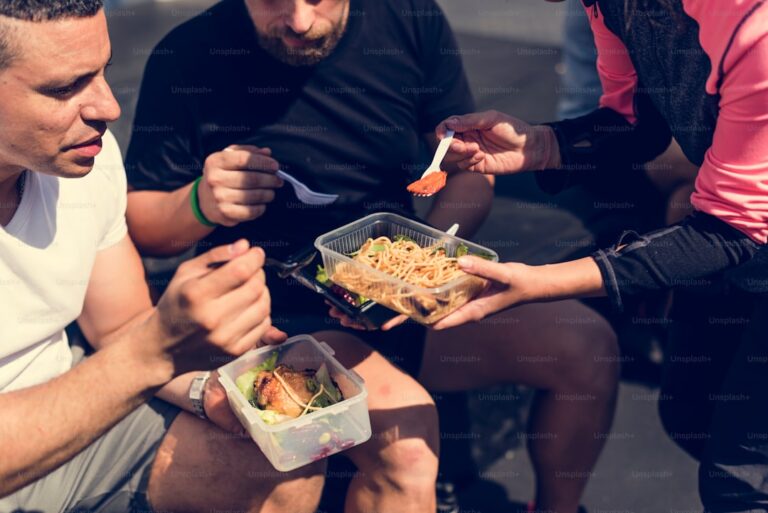
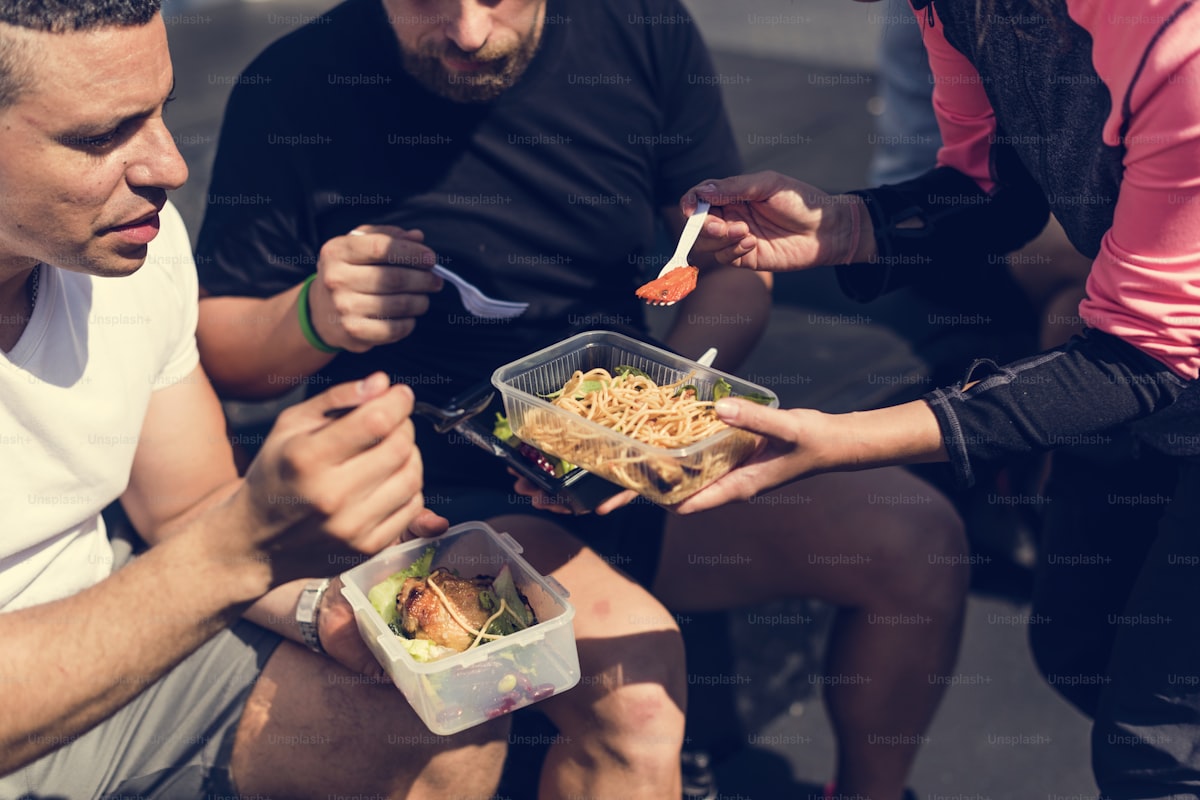
In the two days before your IRONMAN, increase carbohydrate intake to top up glycogen stores. Aim for 8-10g of carbohydrates per kg of bodyweight daily. Reduce fibre and fat to avoid gastrointestinal issues. Stay well hydrated — your urine should be pale yellow.
- 2 days out: Increase carbs (pasta, rice, bread), reduce fat and fibre
- Night before: Light high-carb dinner by 7pm — don’t overeat
- Race morning: 300-500 calories 2-3 hours before start (porridge, bagel, banana)
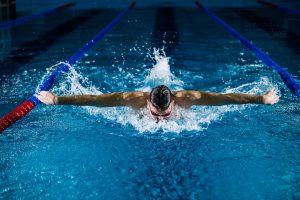
Swim Nutrition: Keep It Simple
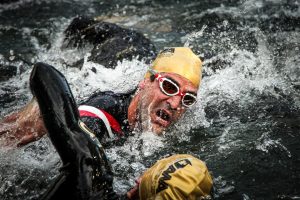
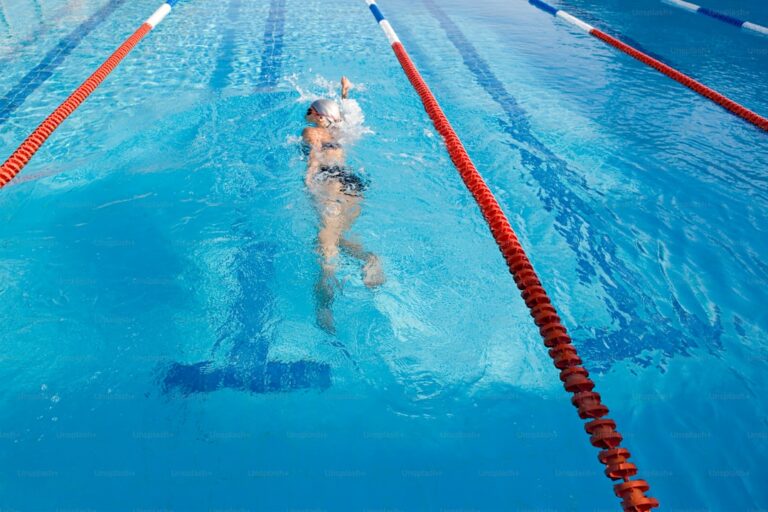
You won’t consume anything during the swim. Focus on staying calm and not panicking — stress burns extra energy. If your start time is more than 90 minutes after breakfast, eat a small snack (banana, gel) 30 minutes before your wave.
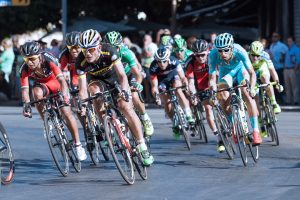
Bike Nutrition: Your Primary Fuelling Window
The bike is where you’ll do the majority of your fuelling. Target 60-90g of carbohydrates per hour — with proper training, some athletes can tolerate up to 100g/hour using multiple carbohydrate sources (glucose + fructose). Start eating within the first 30 minutes of the bike.
- Aim for 500-750ml of fluid per hour on the bike (more in heat)
- Consume 200-300mg of sodium per hour to prevent hyponatraemia
- Use real food (rice cakes, banana pieces) for variety alongside gels in the later miles
- Eat consistently: set a timer or use aid station markers as reminders
Run Nutrition: Keep It Going
Maintaining nutrition on the run is harder — your gut takes a hammering after 7+ hours on the move. Stick to easily digestible options: flat cola, chicken broth at later aid stations, gels, and bananas. Walk aid stations to safely consume liquids and food. Target 30-60g carbohydrates per hour — less than on the bike as pace (and thus absorption) decreases.
Key Rules for IRONMAN Nutrition
- Never try anything new on race day — practise your exact plan in training
- Eat before you’re hungry, drink before you’re thirsty
- Plan for heat: increase fluid and sodium targets by 20-30% in warm conditions
- Don’t over-drink: hyponatraemia from excessive plain water intake is a real risk
- Mental checkpoint at Hour 6: if you feel good, you’re likely fuelled correctly — maintain the plan