How to Pace Your First Triathlon: Avoid the Classic Rookie Mistakes
Why Pacing is the Most Important Skill in Triathlon
More triathlons are ruined by poor pacing than any other single factor. Going out too hard in the swim, spending too much on the bike, and then suffering through a walk-run run leg is a rite of passage for first-timers — but it does not have to be. Understanding how to distribute your effort across all three disciplines is the difference between a race you remember with pride and one you want to forget.
The Swim: Start Steady and Ignore the Adrenaline
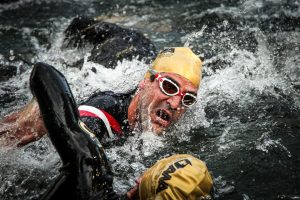
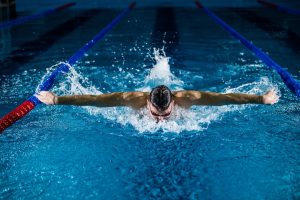
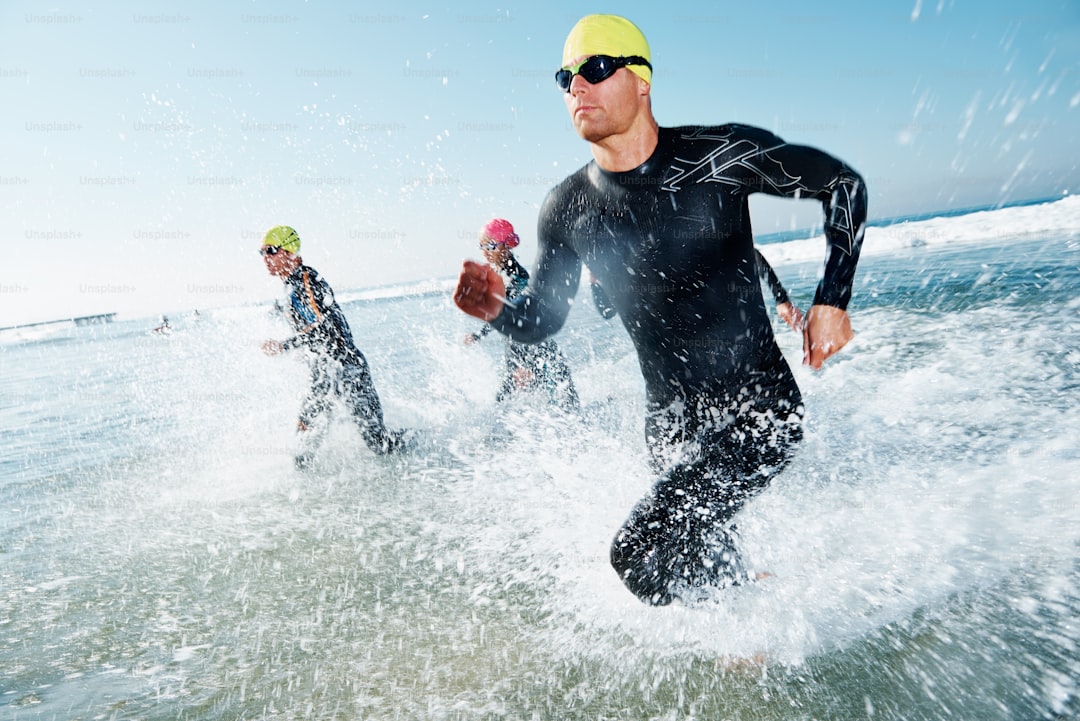
Race day adrenaline will make the first 200m of the swim feel effortless. This is a lie. Your body is running on adrenaline, not actual fitness, and the cost will come later. Start at 80–85% of your maximum effort, not 100%. In a mass start, seed yourself toward the back or side to avoid the washing machine effect of the front pack. Settle into your stroke, find your rhythm and let the fast swimmers go.
T1: Keep Calm, Be Methodical
Transition anxiety causes more time loss than slow movement. Practice your T1 routine in training until it becomes automatic: wetsuit off, helmet on and fastened, shoes on (or clip-ins), glasses on, go. Do not rush so much that you forget your helmet clip — that is a disqualification. A smooth 90-second T1 beats a panicked 60-second one every time.
The Bike: Hold Back for the First 10 Minutes
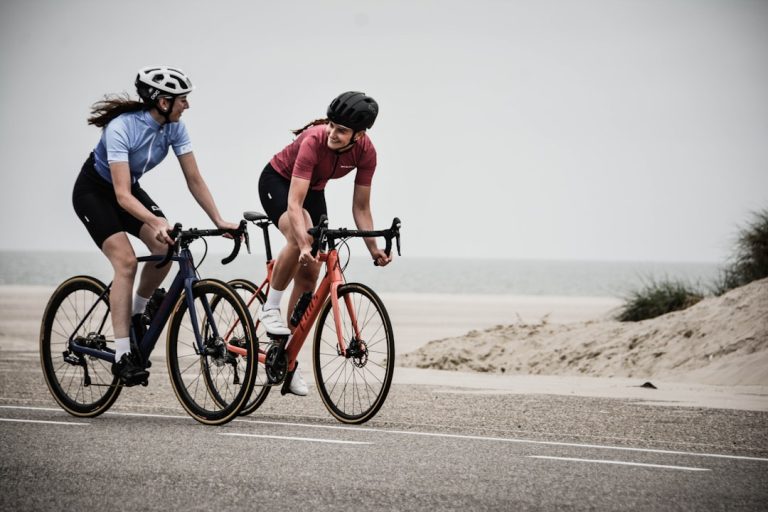
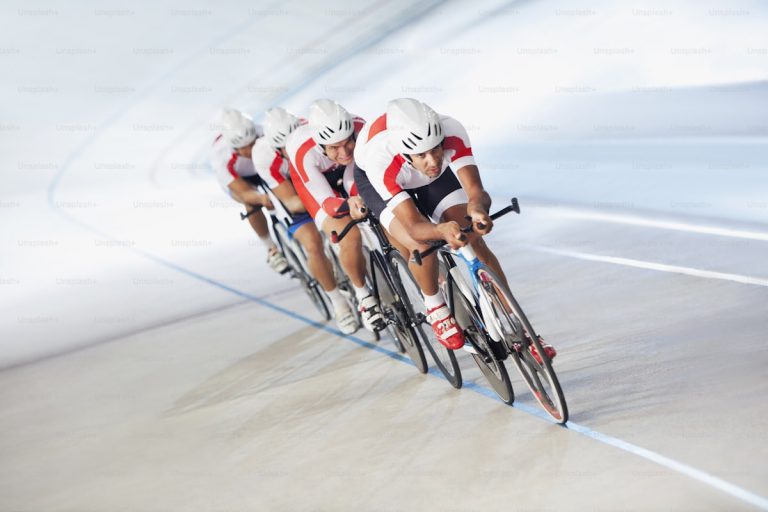
Your legs will feel fresh coming out of T1 and the temptation to push hard on the bike is overwhelming. Resist it. Spend the first 10 minutes gradually building to your target effort — treating the early bike section as an extended warm-up. For a sprint or Olympic distance race, your target bike effort is approximately Zone 3–4 (around 75–85% of max HR). If you have a power meter, aim for 85–90% of FTP for Olympic distance.
The Run: The Honest Discipline
The run is where races are won and lost. Your legs will feel strange in the first kilometre off the bike — this is normal and passes within 2–3 minutes. Start at a conservative pace (10–15 seconds per km slower than your target) and build if you have the legs. Going out too fast in the first kilometre is the single most common run mistake in triathlon. Use RPE rather than pace in the first km — your GPS pace will be unreliable as your body adjusts.
Practical Pacing Tips for Beginners
- Do a race simulation in training: Swim + bike + run in sequence at race intensities — your body needs to learn what each transition feels like
- Use RPE as your guide: Heart rate lags and GPS can be unreliable. How you feel on a 1–10 scale is reliable data
- Fuelling is pacing too: Take on energy on the bike (gel or drink) rather than waiting until you feel hungry — by then it is too late
- Race within yourself: Ignore athletes passing you early in the bike — many of them will come back to you on the run
- Negative split the run: Aim for the second half of your run to be faster than the first — this is the hallmark of well-paced racing