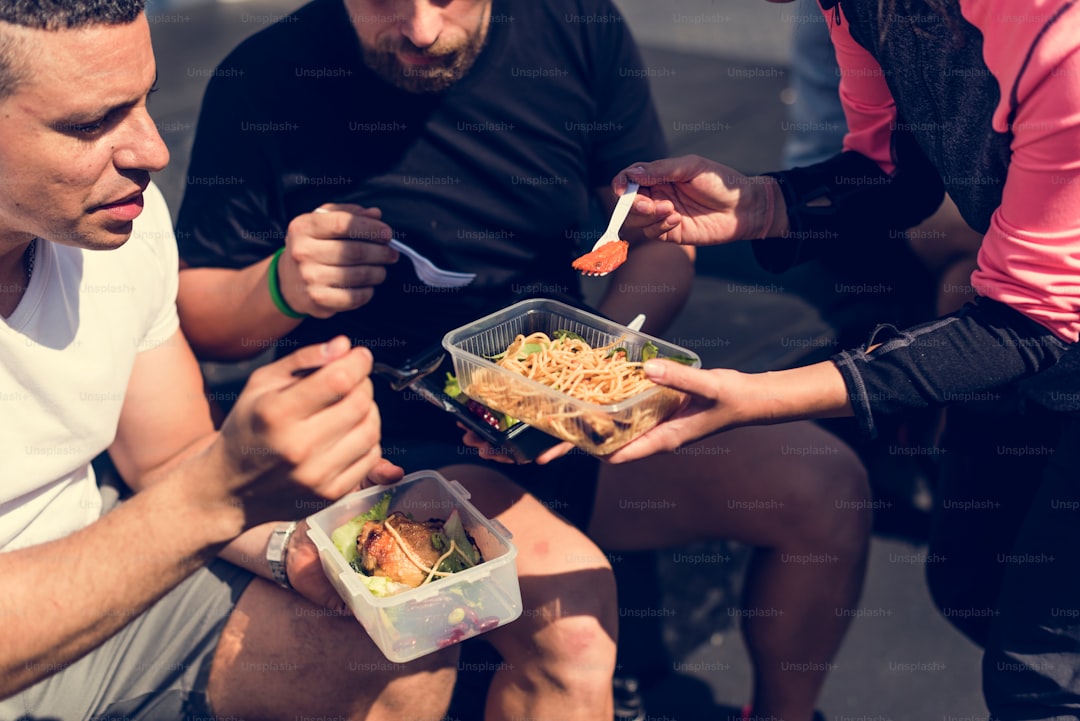
Recovery Nutrition: What to Eat After a Long Training Session
What you eat in the hour after a long training session is just as important as what you eat before it. Recovery nutrition directly affects how quickly you repair muscle damage, replenish glycogen stores, and adapt to the training stimulus. Get it right and you will bounce back faster for your next session.
The Recovery Window
The 30 to 60 minutes immediately following a long or hard session is the period when your muscles are most receptive to nutrients. Glycogen synthesis rates are elevated and protein synthesis pathways are primed. While later meals still contribute to recovery, hitting this window gives you the best possible head start and reduces the total recovery time between sessions.
Carbohydrates: Replenish Glycogen First
Your muscles store energy as glycogen. A long session significantly depletes these stores. Aim for 1-1.2g of carbohydrate per kilogram of bodyweight in the first hour after training. Good options include rice, pasta, bread, fruit, or a carbohydrate-rich recovery drink. Do not fear carbohydrates in the recovery window — for endurance athletes, they are essential fuel.
Protein: Rebuild Muscle Tissue
Aim for 20-40g of high-quality protein post-session to stimulate muscle protein synthesis. Animal sources such as chicken, fish, eggs, and dairy are highly effective due to their complete amino acid profiles. Plant-based athletes should combine sources — for example, rice and legumes — to ensure adequate leucine content, the amino acid most closely associated with muscle repair and growth.
Hydration and Electrolytes
Long sessions cause significant fluid and electrolyte loss through sweat. Aim to replace approximately 150% of the fluid you lost — if you lost 1 litre, drink 1.5 litres over the following hours. Include sodium in your recovery food or drink to help retain the fluid you take on. Coconut water, milk, or a purpose-made electrolyte drink are all effective options alongside plain water.
Practical Recovery Meal Ideas
- Salmon with rice and vegetables — Omega-3 fatty acids in salmon have anti-inflammatory properties that complement the solid carbohydrate and protein base of this meal.
- Greek yoghurt with fruit and granola — Quick to prepare, high in protein, and delivers fast-acting carbohydrates from the fruit and granola. Ideal when you do not have time to cook.
- Chicken and sweet potato bowl — A staple for endurance athletes. High in complex carbohydrates and lean protein and easy to meal-prep in advance to remove decision fatigue on tired training days.
- Recovery smoothie — Blend milk or plant milk with banana, berries, and a scoop of protein powder for a fast, easy post-session drink when solid food is not appealing immediately after a hard effort.
What to Avoid Post-Training
- Alcohol — Impairs muscle protein synthesis and disrupts sleep quality, both critical for recovery. Save it for rest days and off-season.
- High-fat fast food — Slows gastric emptying and delays nutrient absorption when speed of delivery matters most.
- Skipping the post-workout meal — Even if you are not hungry, prioritise at least a small carb-protein snack within 60 minutes of finishing a long session.