Pilates for Triathletes: Core Strength and Injury Prevention
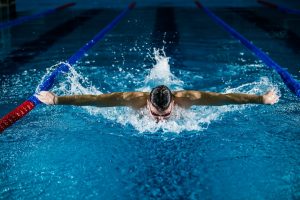
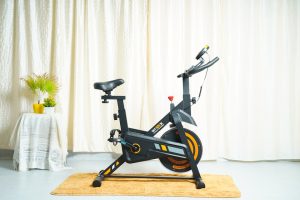
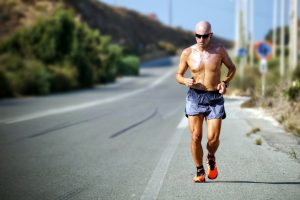
Three disciplines, three different sets of muscle imbalances. Running builds strong quads and comparatively weak hamstrings. Cycling builds powerful legs on a comparatively weak upper body and core. Swimming loads the shoulders in a narrow range of motion. Left unaddressed, these imbalances are a common route to overuse injury — and Pilates is one of the more evidence-backed ways to correct them without adding high-impact load to an already-loaded training week.
What the Research Shows
A study of experienced male runners who did mat Pilates twice weekly for 12 weeks recorded significantly faster 5km times, with EMG data showing reduced muscle activation for the same output — evidence of improved “neuromuscular economy,” or getting more speed for the same effort. Separate research published in the Archives of Physical Medicine and Rehabilitation found 12 weeks of consistent Pilates training significantly improved hamstring flexibility and upper-body muscular endurance in active adults — directly relevant to a runner’s weak hamstrings and a cyclist’s weak upper body.
Why It Fits a Triathlon Schedule
Pilates is low-impact, which makes it one of the few effective strength sessions you can schedule on a recovery day without adding to your joint loading for the week. It also directly targets postural and core stability — the platform your swim catch, bike position, and run form all depend on — rather than building isolated muscle the way a conventional gym session might.
Fitting It Into Your Week
- Frequency: one to two 30-45 minute sessions a week is enough to see benefit — this isn’t a daily-training-volume addition.
- Timing: schedule it on an easy or recovery day rather than stacking it after a hard interval session, so you can focus on control and form rather than rushing through fatigued.
- Season: base-building and off-season phases (like now, heading into autumn) are the ideal window to build a Pilates habit, before race-specific volume crowds out the time for it.
Exercises Worth Starting With
- The Hundred — classic Pilates core-activation exercise, builds the deep abdominal endurance that supports aero position on the bike and swim body rotation.
- Single-leg stretch — targets hip flexor control and core stability asymmetrically, which mirrors the single-leg loading pattern of running.
- Plank variations (including side plank) — direct carryover to maintaining form when fatigued late in a run or brick session.
- Swimming exercise — a back-extension movement that, despite the name, builds the posterior chain strength that helps counteract a cyclist’s forward-flexed position.
Mat vs Reformer
Mat Pilates needs no equipment beyond a mat and is the easiest way to start — plenty of free and low-cost instructor-led sessions exist online if a studio isn’t accessible. Reformer Pilates, using the spring-loaded machine, adds resistance and assistance that can deepen the work once you’ve built basic control, but it requires studio access and is a genuine ongoing cost. Start with mat work; only move to reformer sessions if you want to progress further and have the budget for it.