How to Build a Home Gym for Triathlon Training
You don’t need a full garage gym to cover the strength work that actually moves the needle for triathlon — most of what matters fits in a corner of a spare room. Here’s what to prioritise if you’re building a home setup from scratch.
Start With What Triathletes Actually Need
Triathlon strength work is mostly about durability and power, not building maximal size — think single-leg stability, core, and posterior chain strength that holds your run form together in the last 5km off the bike. That means you can skip a lot of what a general commercial gym offers and focus on a much smaller kit list.
The Core Kit List
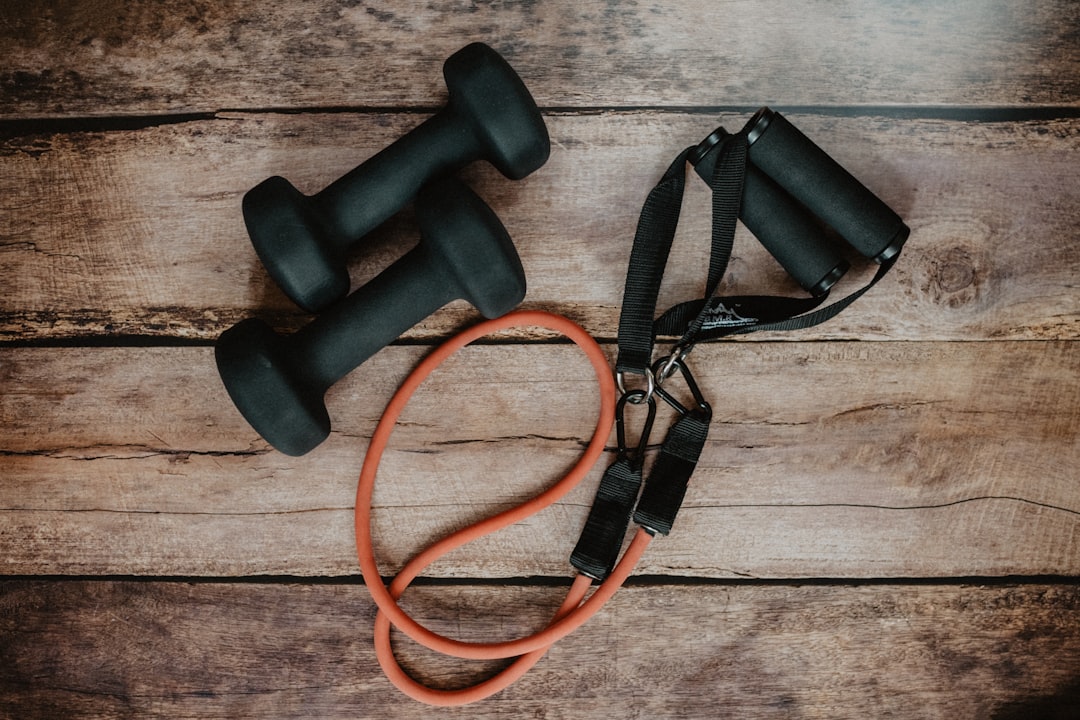
- A set of adjustable dumbbells or kettlebells — covers single-leg work, presses, rows and loaded carries in one compact footprint. See our guide to the best kettlebells for triathlon strength training.
- Resistance bands — cheap, packable, and genuinely useful for glute activation, shoulder prehab and travel workouts when you can’t get to weights at all. See our resistance band guide.
- A yoga mat — for core work, mobility and stretching; also protects flooring from dumbbell drops.
- A pull-up bar — a doorway bar covers upper-body pulling strength, one of the easiest areas to neglect when your training time is dominated by swim, bike and run.
- A stability ball or balance pad — useful for single-leg balance work that carries over directly to run economy.
Where to Put It
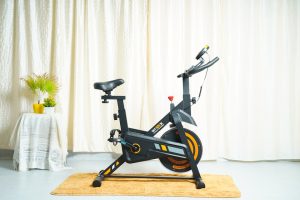
You genuinely only need about 2×2 metres of clear floor space for the strength side of triathlon training — most of the work is bodyweight, dumbbell or band-based rather than needing a rack or bench. If you’re also running a turbo trainer setup in the same space, keep the strength kit on the opposite side of the room so sweat from the bike session doesn’t end up on your dumbbells.
Budget Sequencing: What to Buy First
If you’re building this up gradually rather than all at once: resistance bands first (cheapest, most versatile), then a pair of adjustable dumbbells or a couple of kettlebells at different weights, then a mat, then a pull-up bar last — it’s the one piece of kit that needs a specific doorway or wall to fit, so it’s worth confirming that before you buy.
How Often to Use It
Two sessions a week of 20-30 minutes is enough to maintain strength through a race season without eating into swim/bike/run volume — see our guide to strength training for triathletes for a sample structure. In the off-season, three sessions a week with slightly higher volume is a reasonable place to build from.
For the full breakdown of specific equipment picks and prices, see our best home gym equipment for triathletes roundup.