How to Train for Triathlon Without Pool Access
No access to a swimming pool? It is one of the most common obstacles triathletes face — whether travelling, between memberships, or simply in an area without convenient facilities. The good news is that swim fitness is more robust than most athletes fear, and you can maintain a surprising amount of it with the right alternatives.
Use Open Water
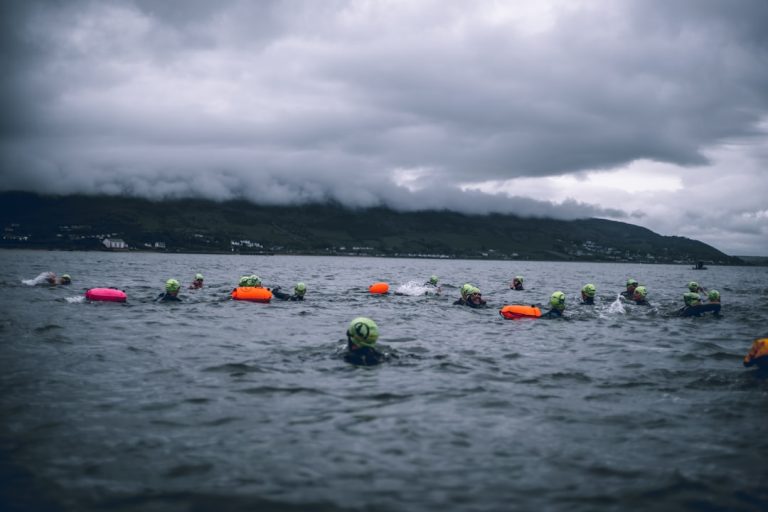
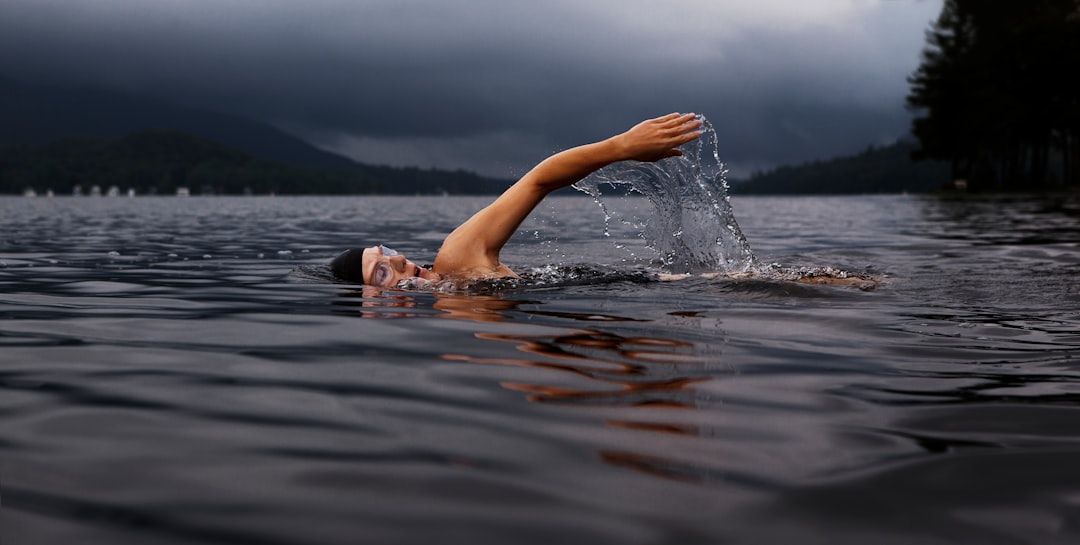
The most direct substitute for pool swimming is open water. In the UK, public open water swimming has grown enormously — lakes, reservoirs, and lidos are accessible across the country from spring through autumn. Open water swimming develops sighting, pacing without walls, and wetsuit comfort: all skills that matter far more in triathlon than pool turns. Sites like the Outdoor Swimming Society list supervised venues near you.
If you are within reach of open water, aim for two sessions per week during pool-free periods. Even 30-45 minutes of continuous open water work maintains your aerobic swim base effectively.
Dryland Swim Training
Dryland training builds the specific shoulder and lat strength that drives your pull through the water. A 20-minute resistance band circuit three times per week can maintain and even improve your catch power during a pool-free period. Focus on:
- Banded lat pull-downs: Mimic the catch and pull phase. 3 sets of 15 reps.
- Banded tricep push-down: Replicate the push phase. 3 sets of 20 reps.
- Shoulder external rotation: Rotator cuff stability and injury prevention. 3 sets of 15 each side.
- Core anti-rotation (Pallof press, Deadbug): Maintain the stable body position you need in water. 3 sets each.
Prioritise Bike and Run
Research consistently shows that swim fitness degrades more slowly than most triathletes fear, but bike and run fitness can be built substantially faster. If you face two to four weeks without pool access, consider banking extra time on the bike and run. An extra two to three hours per week across these disciplines can deliver significant performance gains — and your swim form will return quickly once pool access is restored.
How Long Before Swim Fitness Fades?
Most trained swimmers begin to lose measurable aerobic swim fitness after 10-14 days of complete detraining. However, the muscular memory and technique you have built take much longer to fade — often months. A two-week pool gap with dryland work will cost you very little on race day, especially for sprint and Olympic distances where the swim represents a small fraction of total race time.
Race-Specific Tips
- If your race includes an open water swim, substitute at least some pool sessions with open water to build course-specific confidence
- Breathing patterns and stroke rate matter more in triathlon than flip-turns — dryland and open water training maintains these
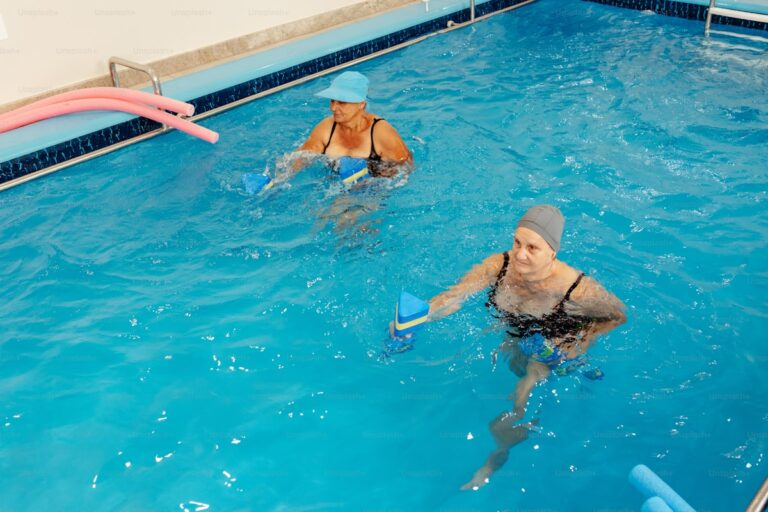
- Aqua jogging is a near-zero-impact cardio substitute that also maintains feel for water
- Return to the pool two to three weeks before your target race for a structured taper swim to re-calibrate your stroke