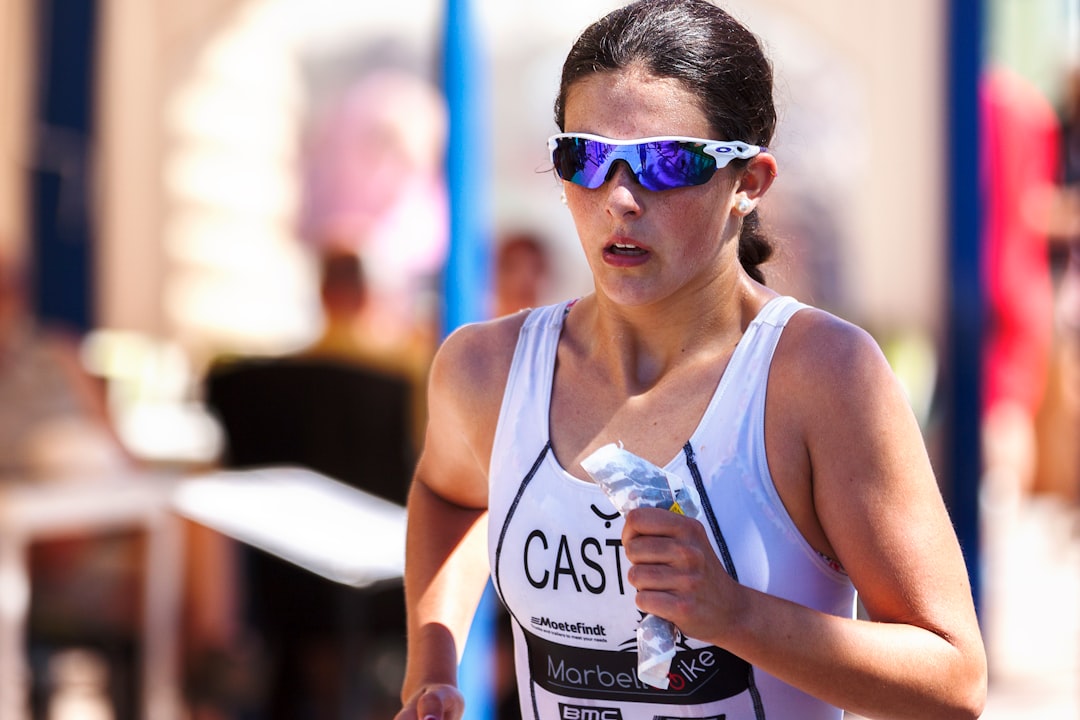
Laura Massey-Pugh: 40 Ironmans in 40 Days — The Challenge Breaking Records
Who Is Laura Massey-Pugh?
Laura Massey-Pugh is a British endurance athlete who has spent years building her capacity through ultramarathons and long-distance triathlons. She is not a professional triathlete — she trains and races alongside work and family commitments, which has made her extraordinary challenge particularly resonant with the age-group community following her progress in 2026.
The Challenge
Massey-Pugh is attempting to complete 40 full Ironman-distance triathlons in 40 consecutive days — a 3.8km swim, 180km bike and 42.2km run every single day without a rest day. The challenge began in spring 2026 and has attracted growing coverage from mainstream sports media alongside the triathlon community.
Each day’s course varies in format depending on logistics and safety conditions, with some stages taking place on open water venues and others using pool and road configurations. Support crew handle logistics, nutrition prep and on-course safety — but the racing itself is completed entirely by Massey-Pugh.
The Physiological Reality
Completing a single IRONMAN takes most age-group athletes between 9 and 17 hours. Repeating it 40 times in 40 days places the body in a state that conventional sports science has very few models to predict. Traditional taper and recovery principles — the frameworks that govern how we periodise training, manage fatigue and peak for races — simply do not apply at this level of cumulative load.
Sports scientists monitoring the attempt have described it as a controlled state of permanent overreaching, where the primary recovery tools are sleep quality, extremely high caloric density nutrition and the elimination of all non-essential physical and psychological stress. Massey-Pugh reportedly consumes over 8,000 calories per day during the challenge.
Why She’s Doing It
Massey-Pugh is raising money for a children’s mental health charity, and the challenge has attracted significant sponsor support and media attention. Beyond the fundraising goal, she has spoken publicly about the attempt as a personal exploration of the boundary between human capability and what the mind perceives as possible — a theme that resonates deeply with long-course athletes who are familiar with the psychological battles of the marathon run.
What Triathletes Can Learn From Her Approach
- Consistency over intensity: back-to-back moderate-effort days build aerobic capacity more safely than sporadic high-intensity peaks. Massey-Pugh’s pacing philosophy — each day at sustainable rather than maximum effort — is directly applicable to training blocks.
- Recovery is a discipline: her approach treats sleep and nutrition as training sessions in their own right, not optional add-ons. This mindset shift is one of the highest-leverage changes available to age-group triathletes.
- Mental framing matters: she reportedly structures each day as a single independent challenge, not as day 27 of an overwhelming 40-day ordeal. Isolating the immediate task — which is a strategy cognitive psychologists call ‘present-moment focus’ — reduces the psychological weight of what remains.
Whether or not the attempt succeeds in its full form, Massey-Pugh’s challenge is already one of the most compelling stories in British endurance sport in 2026.