
Leg Strength and Running Drills: 35-Minute Bike-Run Transition Prep Session
Session Overview
One of the biggest challenges in triathlon is running well off the bike — your legs feel heavy, your stride is short, and you’re fighting muscular fatigue from cycling. This 35-minute session combines running with targeted bodyweight strength work to condition your legs specifically for the T2 transition. It’s ideal for beginners and intermediate triathletes who want to arrive at the run leg feeling stronger.
What You’ll Need
- A flat running route (road, path, or treadmill)
- Running shoes
- Enough space to do squats and lunges — a park or grass area works well
- No equipment required
Warm-Up (5 minutes)
Walk briskly for 2 minutes, then jog very easy for 3 minutes. Include 30 seconds of high knees and 30 seconds of butt kicks during the jog to activate the hip flexors and glutes.
Main Set
Complete 3 rounds of the following circuit. Each round takes approximately 7–8 minutes:
- Run: 1km at easy to moderate pace (Zone 2–3, RPE 4–6)
- Squats: 15 bodyweight squats — feet hip-width, sit back, keep knees tracking over toes
- Walking lunges: 10 each leg — step forward, lower back knee toward ground, push back up
- Rest: 30 seconds before starting the next round
Cool-Down (5 minutes)
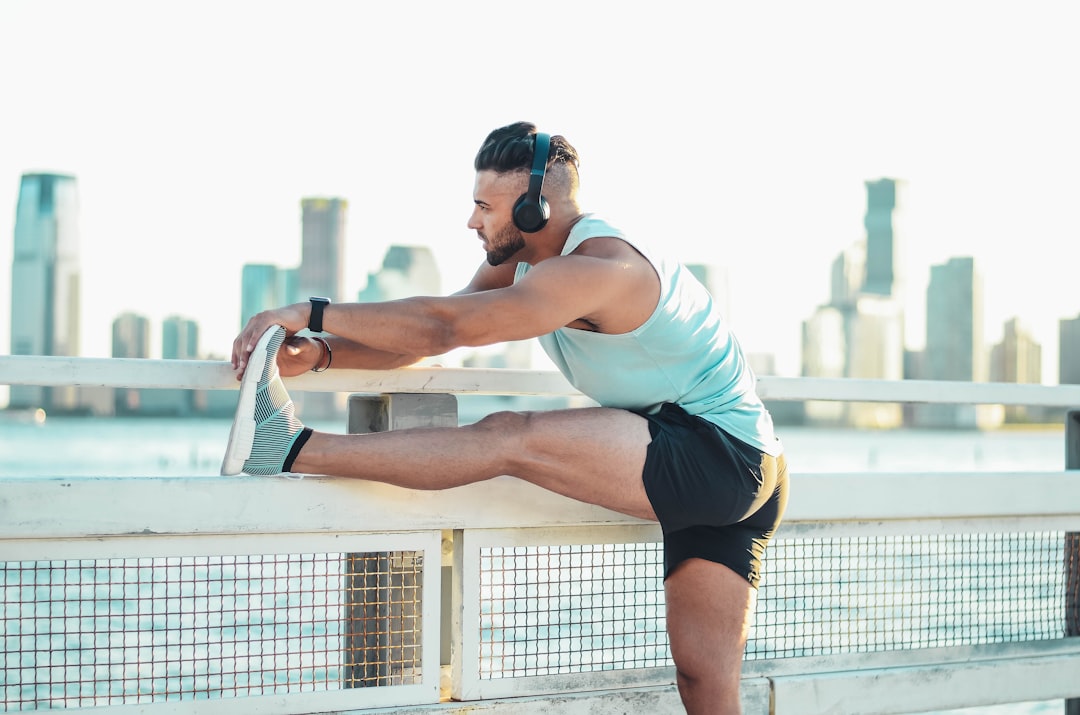
Walk for 3 minutes to bring your heart rate down. Then hold a standing quad stretch (30 seconds each leg), a hip flexor stretch (30 seconds each), and a calf stretch against a wall (30 seconds each). These muscles work hardest in this session.
Coaching Notes
- The goal is controlled fatigue, not exhaustion — run comfortably, execute the strength work with good form
- Keep your torso upright during squats and lunges; don’t let your front knee cave inward
- Beginners: reduce squats to 10 and skip the third round on your first attempt
- Advanced: hold a 5kg weight vest or add a plank hold (30 seconds) after the lunges each round
- Do this session 1–2 times per week in the 8 weeks leading up to your race for maximum T2 benefit
You Might Also Like



Training at your own risk. The information provided is for general guidance only and is not a substitute for professional medical advice. Please consult a doctor before starting any new exercise programme, especially if you have any pre-existing health conditions.