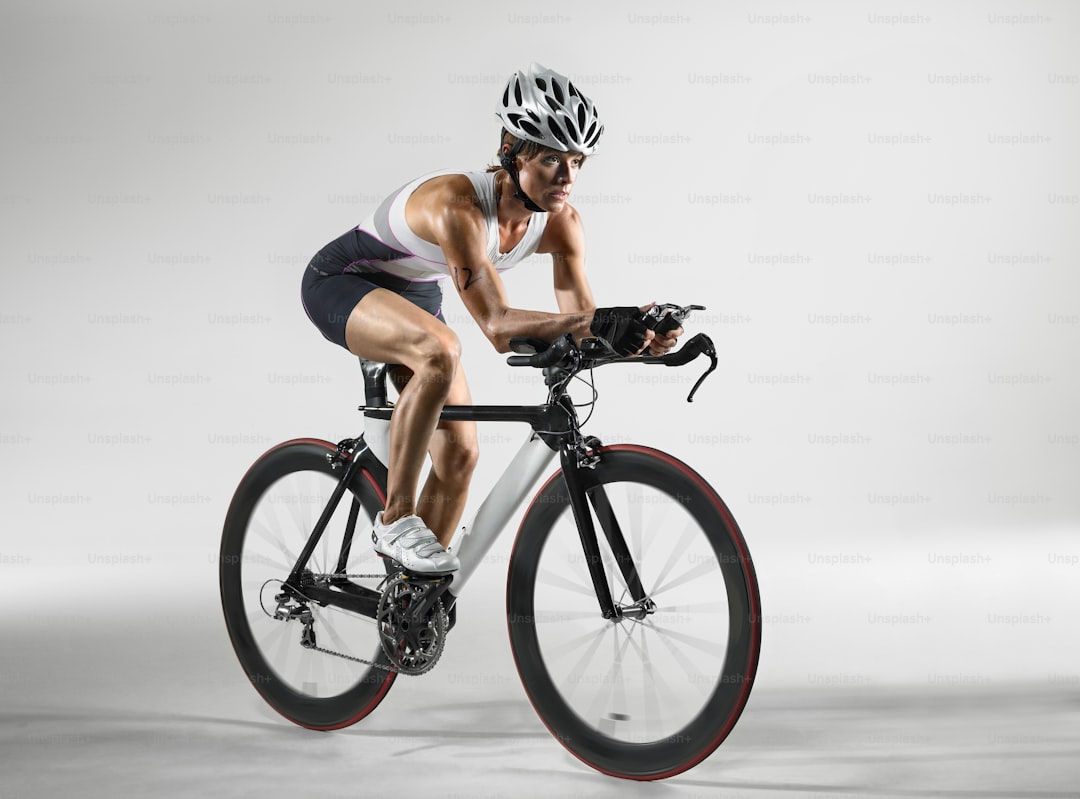
Best Triathlon Saddles for Sprint and Olympic Racing 2026
What to Look For
A triathlon saddle for sprint and Olympic distance racing prioritises aerodynamic position and power output over long-distance comfort. Short-course athletes spend 20–45 minutes on the bike — enough time to feel the difference of the right saddle, but not so long that pressure relief is the primary concern. The key factors are nose design for perineal relief, shell stiffness for power transfer, and stability that lets you hold position and power through to the run.
Key Features to Consider
- Nose width and length — triathlon saddles typically have a shorter, narrower nose than road saddles, allowing a more forward rotated hip position on aero bars without compressing soft tissue
- Cutout or central channel — a relief cutout reduces perineal pressure and is especially important when maintaining a forward aero position for the full bike leg
- Shell stiffness — carbon or stiff nylon shells transfer power more directly to the pedals; padding should be minimal and functional, not plush
- Rail material — titanium and carbon rails reduce weight; steel is durable but heavier. Most short-course athletes will not notice the difference, but weight matters on hilly courses
Our Top Picks
Best Overall: ISM PN 3.0
ISM saddles are purpose-built for the aerodynamic position, with a split-nose design that virtually eliminates soft tissue pressure — ideal for triathletes spending significant time on aero bars. The PN 3.0 strikes the best balance of comfort and performance for sprint and Olympic distances, is widely used at elite level, and comes in 120mm and 130mm widths to suit most sit-bone measurements.
The PN 3.0 takes months to dispatch on Amazon; the ISM PN3.1 Performance Narrow is in stock. Check ISM PN3.1 price on Amazon
Best Value: Fizik Transiro Aeris R3
Fizik’s Transiro range is designed specifically for triathlon, and the Aeris R3 delivers a surprisingly premium feel at a mid-range price. The Kium rail version cuts weight without the cost of full carbon, and the central channel relieves pressure effectively for athletes with forward hip rotation. A genuine step up from the road saddle that came with your bike.
The R3 takes months to dispatch on Amazon; the Transiro Aeris R5 has the same shell with alloy rails and is in stock. Check Aeris R5 price on Amazon
Best Premium: Specialized Power
The Specialized Power is one of the most widely fitted saddles in professional cycling and triathlon — its short nose dramatically reduces anterior pelvic pressure while the wider rear base supports the sit bones effectively in an aggressive position. The carbon rail version shaves meaningful weight, and the shape works well across road, TT, and tri positions. An excellent long-term investment if you plan to race multiple distances.
The Specialized Power isn’t stocked at Tredz; the Fizik Vento Argo R3 (£119.99) is a close alternative. Check the Fizik Vento Argo R3 price on Tredz
Buying Tips
- Always measure your sit-bone width before buying — most brands offer multiple widths, and the wrong size will cause discomfort regardless of saddle quality
- Try the saddle on a turbo trainer for at least two weeks before using it in a race — your body needs time to adapt to a new position
- Do not swap saddles in the final two weeks before a target race — an unfamiliar saddle in a race can cause injury or serious discomfort
Care and Maintenance
Wipe down saddle rails and clamp area after wet or sweaty rides to prevent corrosion. Carbon rails are strong under normal cycling loads but can crack if the seat clamp is overtightened — always use a torque wrench and follow the manufacturer’s specification. Most saddles need no other maintenance beyond regular cleaning with a damp cloth.
This article contains affiliate links. If you purchase through these links, we may earn a small commission at no extra cost to you. This helps support The Triathlete.