
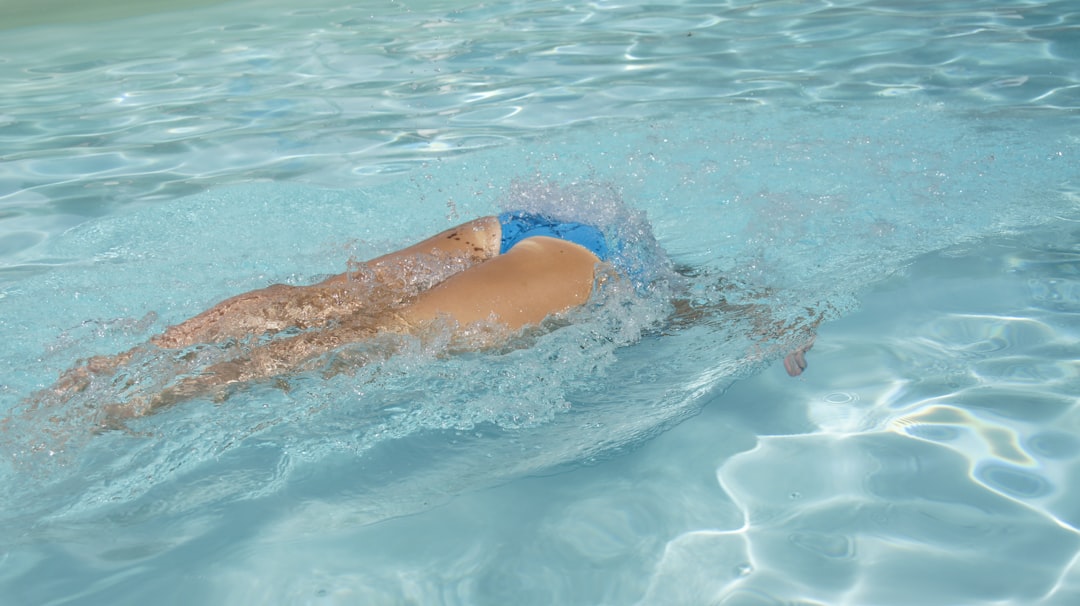
Pool Drill Circuit: Catch-Up, Fingertip Drag and Zipper Technique Set
Session Overview
This 45-minute pool drill session focuses on three key technique drills that build a better freestyle stroke for triathlon swimming: catch-up (timing), fingertip drag (recovery), and zipper (body rotation). These drills address the most common technical flaws in triathlete swimmers and translate directly to better open water efficiency and race speed.
What You’ll Need
- Access to a 25m or 50m swimming pool
- Swim goggles and swim cap
- Fins (optional — useful for beginners to reduce drag during drills)
- A pull buoy (optional — to isolate upper body during pull-focus sections)
Warm-Up (10 minutes)
Swim 200m easy freestyle at an easy, relaxed pace (RPE 4/10). Focus on breathing smoothly and feeling the water rather than pushing speed. Follow with 4 x 25m easy backstroke with 15 seconds rest — this activates the shoulder stabilisers and loosens the thoracic spine before technical drill work.
Main Set
Each drill is done as 4 x 25m. Rest 20 seconds between each 25m length. After all four drills, swim a 50m consolidation length with normal full freestyle, applying the feel from the drill work.
- Drill 1 — Catch-Up: 4 x 25m. Keep one hand fully extended ahead of you until the other arm’s hand ‘catches up’ and touches it before the pull begins. This slows the stroke down, improving timing and front-end balance.
- Drill 2 — Fingertip Drag: 4 x 25m. During the recovery phase, drag your fingertips lightly along the water surface as your arm swings forward. This promotes a high-elbow recovery and prevents a wide, flat arm swing that creates drag in open water.
- Drill 3 — Zipper: 4 x 25m. During recovery, drag your thumb up your body from hip to armpit — like doing up a zipper — before extending forward. This exaggerates body rotation and high-elbow recovery simultaneously.
- Consolidation: 4 x 50m full freestyle with 20 seconds rest. Think about applying the feeling of each drill in your normal stroke.
Cool-Down (5 minutes)
Swim 100m easy backstroke or gentle breaststroke to flush the muscles and reduce heart rate. Focus on relaxed breathing throughout. Stretch your shoulders, chest, and lats poolside after exiting — hold each stretch for 20-30 seconds.
Coaching Notes
- Drill sessions should feel slow and deliberate — that’s the point. Don’t try to swim fast; focus on the feeling
- If a drill feels uncoordinated at first, that’s normal — it means you’re working on something that needs attention
- Use fins for catch-up and zipper drills if you struggle to maintain a good kick without sinking
- These drills are most effective at the start of a swim session when your focus is fresh — don’t leave them to the end
- Aim to include one drill-focused session per week throughout your build phase
You Might Also Like

Training at your own risk. The information provided is for general guidance only and is not a substitute for professional medical advice. Please consult a doctor before starting any new exercise programme, especially if you have any pre-existing health conditions.