

Hilly Outdoor Ride: 2-Hour Aerobic Endurance Session
Session Overview
This two-hour hilly outdoor ride builds aerobic base and climbing resilience, using rolling terrain to naturally vary intensity and stress your cardiovascular system across multiple zones. It’s perfect for intermediate triathletes building towards Olympic or 70.3 distance events in the coming weeks.
What You’ll Need
- Road bike or triathlon bike
- GPS cycle computer or watch with navigation
- Two 750ml bottles (water + electrolyte)
- Two energy gels or a bar for on-bike fuelling
- Helmet, gloves, and appropriate layering for conditions
Warm-Up (15 minutes)
Roll out easy for the first 15 minutes on flat or gentle terrain, spinning at 85–90 rpm with no more than zone 2 effort. Use this time to check your bike fit feel, complete your pre-ride nutrition (if not done at home), and let your legs wake up naturally before encountering any hills.
Main Set
The core 90 minutes uses rolling terrain to naturally govern effort. Aim to hold zone 2–3 on the flat sections and allow effort to naturally spike to zone 3–4 on climbs without forcing it. The structured climbs below are optional if your route has natural hills — use what the road gives you.
- 30 minutes rolling zone 2–3 across varied terrain
- 3 x 4-minute moderate climbs at zone 3–4 effort, recovering on descents
- 30 minutes steady zone 2–3 (fuel between minutes 40–50 of the ride)
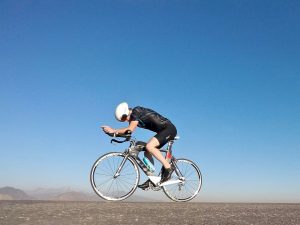
- Remaining time: return route at easy zone 2 effort, practising aero position on flats
Cool-Down (10 minutes)
Reduce effort to zone 1 for the final 10 minutes, spinning freely with zero tension. Once home, dismount and walk for 2–3 minutes before stretching — don’t go straight from the bike to sitting. Hip flexor and calf stretches are priorities after extended time in the aero or saddle position.
Coaching Notes
- Nutrition is key: aim for 60–80g of carbohydrate per hour on rides over 90 minutes — eat early, not when you’re already hungry
- Don’t sprint the hills — a controlled climb at zone 3–4 is far more useful than a blown-out effort that leaves you coasting for 10 minutes afterwards
- Use climbs to practise seated climbing at a higher cadence (70–80 rpm) rather than mashing a big gear
- If this is a taper week, reduce the climbing sections to 2 x 3 minutes and keep overall effort lower
- Target average RPE 5–6 over the full session, peaking at 7 on the climbs
You Might Also Like


Training at your own risk. The information provided is for general guidance only and is not a substitute for professional medical advice. Please consult a doctor before starting any new exercise programme, especially if you have any pre-existing health conditions.