
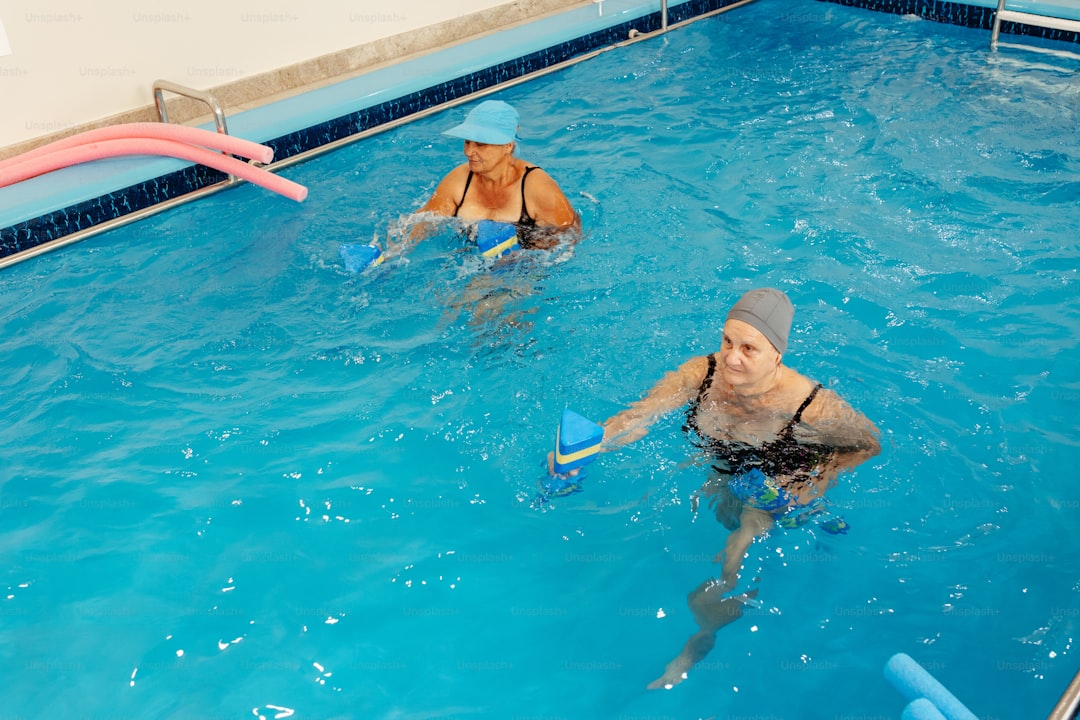
CSS Negative Split Swim Set: 2,400m Progressive Speed Pool Session
Session Overview
This 60-minute CSS negative split swim session builds your ability to hold critical swim speed (CSS) pace and finish faster than you started — a key skill for triathlon racing. Designed for advanced pool swimmers with a known CSS pace, this session targets lactate threshold and teaches pacing discipline across 2,400m of purposeful work.
What You’ll Need
- Access to a 25m or 50m pool
- Swim watch or poolside pace clock
- Knowledge of your CSS pace (complete a 400m + 200m time trial if unsure)
- Pull buoy (optional for warm-up drill work)
Warm-Up (10 minutes)
Swim 400m easy as 100m freestyle, 50m backstroke, 100m freestyle, 50m backstroke, then 100m pull buoy focusing on your catch. Follow with 4 × 25m building from easy to CSS pace with 15 seconds rest. Total: 600m.
Main Set
The main set is structured as a descending effort pyramid: start slightly slower than CSS and progressively speed up each block, finishing faster than your CSS target. Short rest intervals maintain the aerobic challenge.
- 4 × 200m at CSS + 4 sec/100m — 20 sec rest
- 4 × 150m at CSS + 2 sec/100m — 15 sec rest
- 4 × 100m at exact CSS pace — 10 sec rest
- 4 × 50m at CSS − 2 sec/100m (faster than CSS) — 20 sec rest
Cool-Down (8 minutes)
Swim 200m easy backstroke or breaststroke, then 200m easy freestyle focusing on long, relaxed strokes. Shake out your shoulders and breathe normally. Total cool-down: 400m.
Coaching Notes
- If you don’t know your CSS pace, complete a 400m TT, rest 5 minutes, then complete a 200m TT and use an online CSS calculator to find your target pace per 100m.
- The biggest mistake here is starting the 200m reps too fast — you should feel like you have something left until the 50m finishers.
- To make it easier, add 5 seconds rest between each set. To make it harder, reduce the CSS + 4 sec opener to CSS + 2 sec.
- Target RPE 6-7 on the 200s, building to RPE 8-9 on the final 50m reps. Heart rate should be Zone 3-4 throughout the main set.
You Might Also Like





Training at your own risk. The information provided is for general guidance only and is not a substitute for professional medical advice. Please consult a doctor before starting any new exercise programme, especially if you have any pre-existing health conditions.