

20-Minute Bike Time Trial Test Session
Session Overview
The 20-minute time trial test is the most widely used method for estimating your functional threshold power (FTP) without laboratory equipment. Your average power from a 20-minute all-out effort multiplied by 0.95 gives you a working FTP number to anchor your training zones. Run this test at the start of a block and again six to eight weeks later to measure progress objectively.
What You'll Need
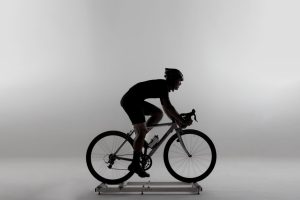
- Turbo trainer or smart trainer with power measurement
- Heart rate monitor
- Timer or cycling app (Zwift, TrainerRoad, or Garmin Connect)
- Two water bottles
- Fan for cooling
Warm-Up (18 minutes)
A thorough warm-up is non-negotiable before a maximum-effort test. Spin easy for 10 minutes at 90 rpm, then complete two 1-minute hard efforts at approximately 110% FTP (or as hard as you can sustain for one minute if this is your first test) with 3 minutes easy between them. Finish with 3 minutes very easy before the test clock starts.
Main Set
This is a single all-out 20-minute effort. The goal is the highest average power you can sustain for the full 20 minutes — not to go flat out for 10 minutes and collapse in the second half.
- 20-minute maximum sustainable effort — aim to negative split (slightly more power in the second 10 minutes)
- Record your average power for the full 20 minutes
- Multiply average power by 0.95 — this is your estimated FTP
Cool-Down (7 minutes)
Easy spinning for 7 minutes at very low power and high cadence. You'll likely feel light-headed immediately after — stay seated, keep spinning, and drink. Do not rush off the trainer.
Coaching Notes
- Pace the first 3 minutes conservatively — athletes who start too hard almost always collapse in the final 7 minutes, producing a lower average than a more measured effort
- Keep cadence above 85 rpm; grinding a big gear at low cadence produces a lower average power than a higher-cadence sustainable effort
- Don't test if you've trained hard in the last 48 hours — rest the day before for the most accurate result
- Run this test no more than once every 6–8 weeks; over-testing increases fatigue without producing useful training data
You Might Also Like



Training at your own risk. The information provided is for general guidance only and is not a substitute for professional medical advice. Please consult a doctor before starting any new exercise programme, especially if you have any pre-existing health conditions.