
Wahoo KICKR CORE 2 vs Elite Rivo: Which Smart Trainer Should Triathletes Buy?
Updated 22 November 2026. The Wahoo KICKR CORE 2 is the better trainer for most triathletes: its 5.4kg flywheel rides more smoothly, Wahoo claims ±2% accuracy against Elite’s ±2.5%, and it speaks ANT+ FE-C as well as Bluetooth and Wi-Fi. The Elite Rivo is 3.6kg lighter, folds to 52 x 16 x 49cm and simulates gradients to 18% against 16%. At Tredz the two are £10 apart: Wahoo KICKR CORE 2 — £399.99, Elite Rivo — £409.99.
Buy the Wahoo KICKR CORE 2 or Elite Rivo
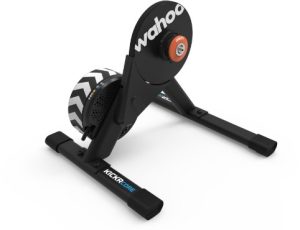
Wahoo KICKR CORE 2 with Zwift Cog and Click
1,800W, 16% gradient, ±2%, 5.4kg flywheel. ANT+ FE-C, Bluetooth and Wi-Fi. Wahoo KICKR CORE 2 — £399.99.
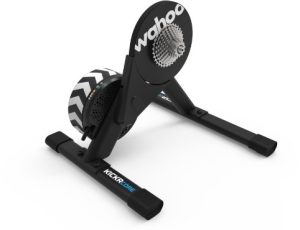
Wahoo KICKR CORE 2 with 11-speed cassette
The same trainer with a standard 11-speed cassette fitted, for real gears. Wahoo KICKR CORE 2 — £399.99.

Elite Rivo with Zwift Cog and Click
2,000W at 40km/h, 18% gradient, ±2.5%, 10kg. Bluetooth and Wi-Fi, no ANT+. Elite Rivo — £409.99.
Wahoo KICKR CORE 2 vs Elite Rivo: specs compared
| Wahoo KICKR CORE 2 | Elite Rivo | |
|---|---|---|
| Price at Tredz | £399.99 (RRP £499.99) | £409.99 (RRP £499.99) |
| Type | Direct drive, wheel-off | Direct drive, wheel-off |
| Max power | 1,800W | 2,000W at 40km/h (920W at 20km/h) |
| Max gradient | 16% | 18% |
| Claimed accuracy | ±2% | ±2.5% |
| Flywheel | 5.4kg | 4kg |
| Noise (reviewer-measured) | About 58-59dB at 150W, 62-63dB sprinting | About 60-62dB at 150W, 65-66dB sprinting |
| ANT+ FE-C | Yes (plus ANT+ power) | No ANT+ |
| Bluetooth FTMS | Yes | Yes |
| Wi-Fi | Yes | Yes |
| Cassette included | Two versions: Zwift Cog and Click, or 11-speed cassette | Zwift Cog and Click; fit your own cassette if you prefer |
| Axles | 130/135mm QR, 12×142 and 12×148 thru-axle | 130/135mm QR and 12×142 included; 12×148 Boost adaptor extra |
| Weight | 13.6kg | 10kg |
| Max rider weight | 113kg | Not published |
Ride feel: flywheel and accuracy
The CORE 2 carries a 5.4kg flywheel against the Rivo’s 4kg, and the difference shows when you hold steady power on the aero bars. The heavier flywheel keeps the pedal stroke moving through the dead spot, which matters most on the long Zone 2 and race-pace efforts that make up a triathlete’s winter bike block. Reviewers found the Rivo choppier at the hard end of its virtual gears and slightly less settled in ERG mode.
Wahoo claims ±2% accuracy and the CORE 2 calibrates itself. Elite claims ±2.5% for the Rivo, and independent testing found it accurate at lower wattages but under-reporting in sprints. If you set FTP-based zones off trainer power, or swap between the trainer and a power meter on your race bike, the CORE 2’s numbers are the ones you can trust more.
Power and gradient: does the Rivo’s higher ceiling matter?
On paper the Rivo goes further: Elite quotes 2,000W at 40km/h and 18% gradient, against 1,800W and 16% for the CORE 2. Elite’s figure drops to 920W at 20km/h, so the ceiling depends on how fast the flywheel is spinning. Few triathletes will touch either power limit. The gradient figure only matters if you ride steep climbs in Zwift or Rouvy with trainer difficulty turned up.
Connectivity: ANT+ is the deciding spec
Both trainers connect over Bluetooth FTMS and Wi-Fi, so both work with apps such as Zwift, TrainerRoad, MyWhoosh and Rouvy. The CORE 2 also broadcasts ANT+ FE-C and ANT+ power. The Rivo has no ANT+ at all, so an older bike computer, watch or PC app that controls trainers only over ANT+ will not pair with it. Check your head unit before you buy the Rivo.
On the CORE 2, Wi-Fi unlocks Race Mode at 10Hz and automatic firmware updates, and the trainer can bridge a heart rate strap and Zwift Click controllers to your app. On the Rivo, virtual shifting with the Zwift Cog works over Bluetooth but not Wi-Fi, and spin-down calibration in Zwift needs Wi-Fi.
Noise, size and storage
Neither is loud. Reviewers measured the CORE 2 at about 58-59dB at 150W and the Rivo at about 60-62dB, so the CORE 2 is a little quieter at endurance pace and in sprints. A fan will drown both out.
Size is where the Rivo wins. It weighs 10kg against 13.6kg, folds to 52 x 16 x 49cm and has a carry handle, which the CORE 2 lacks. If the trainer lives under the bed and comes out three times a week, or travels with you to a winter training camp, the Rivo is easier to live with.
Zwift Cog or a cassette?
Both come with the Zwift Cog and Click: a single cog with virtual shifting from a handlebar remote, so you can swap between a road bike and a tri bike without matching cassettes. The CORE 2 is also sold with a standard 11-speed cassette for the same £399.99 at Tredz, if you would rather shift your own gears or use apps without virtual shifting. You can fit your own cassette to either later.
Which should you buy?
- Buy the Wahoo KICKR CORE 2 if you want the smoother ride, more trustworthy power for zone training, ANT+ FE-C for older devices and automatic calibration. It is £10 cheaper at Tredz.
- Buy the Elite Rivo if the trainer has to fold away or travel: it is 3.6kg lighter, has a handle and folds flat. You also get an 18% gradient ceiling.
- Want more choice? See our best smart trainers under £1,000 and best turbo trainers under £500.
More: Wahoo KICKR CORE 2 review · Elite Rivo review · best turbo trainer accessories.
FAQs
For most riders, yes: it has a heavier 5.4kg flywheel against 4kg, claimed ±2% accuracy against ±2.5%, automatic calibration and ANT+ FE-C. The Rivo is lighter at 10kg and folds away more easily.
No. The Rivo connects over Bluetooth (including FTMS) and Wi-Fi only, while the KICKR CORE 2 adds ANT+ FE-C and ANT+ power.
Wahoo quotes 16%, with up to 1,800W of resistance. The Elite Rivo goes to 18% and 2,000W at 40km/h.
Elite quotes 10kg, and it folds to 52 x 16 x 49cm. The KICKR CORE 2 weighs 13.6kg.
It is sold in two versions: with the Zwift Cog and Click for virtual shifting, or with an 11-speed cassette. Both are £399.99 at Tredz.
Weekly gear reviews
Triathlon gear reviews and training tips, every week.
Sources
- Wahoo UK: KICKR CORE 2 with Zwift Cog and Click
- Elite: Rivo with Zwift Cog and Click
- DC Rainmaker: Wahoo KICKR CORE 2 in-depth review
- DC Rainmaker: Elite Rivo details
- BikeRadar: Wahoo KICKR CORE 2 review
- BikeRadar: Elite Rivo review
- the5krunner: Wahoo KICKR CORE 2 specifications
This article contains affiliate links. If you purchase through these links, we may earn a small commission at no extra cost to you. This helps support The Triathlete.