Garmin Fenix 8 vs Forerunner 970: Which Should You Buy?
What to Look For
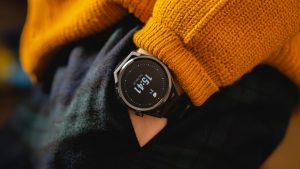
Choosing between Garmin’s two flagship multisport watches is one of the most common dilemmas for serious triathletes in 2026. Both the Fenix 8 and Forerunner 970 pack elite-level features — full triathlon mode, AMOLED displays, advanced training metrics — but they’re built for different types of athletes. The right choice depends on how you train, where you adventure, and what you value on race day.
Key Features to Consider
- Triathlon mode — Both offer full multisport mode with T1/T2 auto-transition detection, open-water swim metrics, cycling power, and run data. The Forerunner 970 adds more granular swim analytics and enhanced pace-prediction tools tailored specifically to triathlon.
- Build and durability — The Fenix 8 features MIL-STD-810 ratings, dive certification to 100m, and a sapphire crystal option. It’s genuinely rugged. The Forerunner 970 is titanium and tough but optimised for lightness (52g vs 61g for comparable sizes).
- Battery life — Forerunner 970 wins: up to 50 hours in GPS mode vs. around 40 hours for the Fenix 8 (47mm). Critical for IRONMAN-distance racing where a 10-hour finish is realistic.
- Price — The Forerunner 970 is typically £50–100 less than the equivalent Fenix 8. Both are premium investments; the difference is less significant at this price tier.
Our Top Picks
Best for Triathlon: Garmin Forerunner 970
The dedicated multisport watch winner. The 970 has longer battery life, lighter weight, and a more focused set of triathlon-specific analytics than the Fenix 8. If triathlon training and racing is your primary focus — and you’re not regularly heading off-grid into the mountains — the 970 is the smarter buy. It’s essentially the Fenix 8’s internal technology in a more streamlined, race-optimised chassis.
Best All-Rounder: Garmin Fenix 8
The adventure athlete’s choice. If triathlon is one part of a broader active life that includes hiking, skiing, trail running, or travel to remote places, the Fenix 8’s rugged construction, topographic mapping, built-in flashlight, and optional inReach satellite messaging (Pro models) justify the premium. It does everything the 970 does — just in a tougher, heavier shell.
Buying Tips
- Both watches come in 43mm and 47mm sizes (Fenix 8 also in 51mm). The 43mm is noticeably more comfortable during swimming — especially in a wetsuit sleeve.
- If you plan to race IRONMAN distances, the Forerunner 970’s battery advantage is a genuine differentiator — the Fenix 8 cuts it closer on a long race day.
- The Fenix 8 Sapphire variant adds scratch-resistant glass — worth the upgrade if you’re prone to knocking your watch on bike frames or rocky trails.
Care and Maintenance
Rinse both watches with clean fresh water after open-water swims and triathlon races to remove salt, chlorine, and sunscreen — all of which degrade silicone bands over time. Avoid storing either watch in a hot car or direct sunlight for extended periods, as AMOLED displays are sensitive to prolonged heat exposure.
This article contains affiliate links. If you purchase through these links, we may earn a small commission at no extra cost to you. This helps support The Triathlete.