
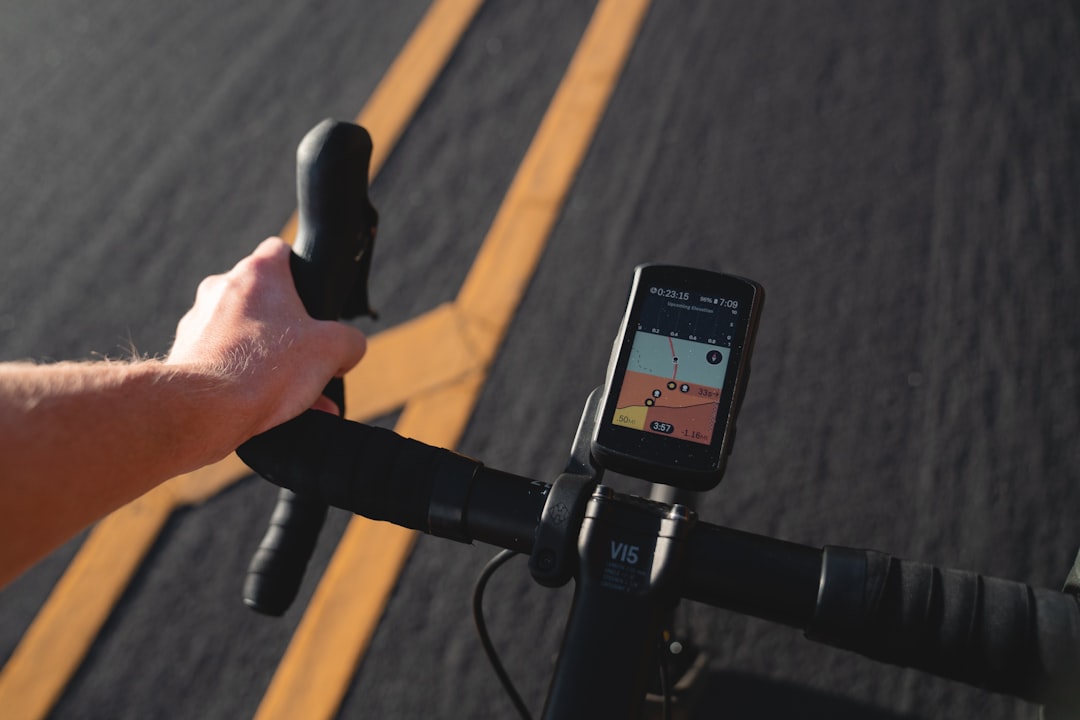
Garmin Edge 1040 Review 2026: The Best Bike Computer for Triathletes?
What to Look For
A dedicated bike computer is one of the most valuable tools a triathlete can mount to their handlebars. Unlike a GPS watch, a handlebar unit keeps performance data front and centre without taking your eyes off the road — power, heart rate, pace, navigation, and training status all visible at a glance. Garmin’s Edge range leads the market for triathlon-specific functionality, and the Edge 1040 is their most powerful cycling computer to date. At £349.99 on Tredz, it sits at the premium end of the market — but the depth of training features and 35-hour battery life makes it a compelling investment for athletes logging serious bike volume.
Key Features to Consider
- Screen size and readability — The Edge 1040’s 3.5-inch colour touchscreen is the largest in the range, making it easy to check data mid-effort without squinting, even in direct sunlight. Worth every millimetre on long training rides.
- Multi-band GNSS accuracy — Multi-band GPS (L1+L5) delivers significantly greater accuracy than standard single-band GPS, particularly on urban bike routes, under dense tree cover, and in the narrow roads of traditional UK triathlon bike courses.
- Battery life — Up to 35 hours in GPS mode means the Edge 1040 comfortably covers even the longest Ironman bike simulations without a recharge. The Solar version extends this further in sunny conditions, though it is currently out of stock at Tredz.
- Smart training features — ClimbPro forecasts upcoming climbs and pace guidance in real time. Power Guide sets recommended targets based on your course profile. Training Readiness and Stamina metrics help you calibrate effort throughout a ride without blowing up.
Our Top Picks
Best Overall: Garmin Edge 1040 GPS — £349.99
The Edge 1040 GPS is Garmin’s most feature-complete cycling computer and the standout choice for triathletes who are serious about bike-specific data. The 3.5-inch display, 35-hour battery, multi-band GPS, and full suite of performance metrics make it ideal for both long training rides and race day. If you already use a Garmin watch, the Edge 1040 integrates seamlessly — syncing your training load data across both devices via Garmin Connect for a complete picture of your fitness and readiness.
Best Mid-Range: Garmin Edge 840
The Edge 840 is an excellent triathlon-focused computer in a more compact 2.6-inch form factor. It carries over multi-band GPS, ClimbPro, and power meter support in a lighter package than the 1040. The Solar variant is well-regarded by triathletes who want extended battery life for ultra-distance training rides. Available at Tredz alongside the 1040 — check the Garmin section for current pricing and availability.
Best Budget Entry: Garmin Edge 540
The Edge 540 covers all the fundamentals a triathlete needs — multi-band GPS, full sensor pairing, smart notifications, and Strava live segments — at a lower price point than the 1040. It lacks the large display and longer battery life of its bigger sibling, but for athletes who primarily want accurate data without the top-end feature set, the 540 is an excellent entry into Garmin’s performance computer range. Check Tredz for current stock and pricing.
Buying Tips
- If you already own a Garmin GPS watch, the Edge 1040 slots into the same ecosystem and shares training load data across both devices — a genuine advantage over mixing brands.
- Add an out-front mount to improve handlebar position and reduce the rotational drag caused by a below-stem mounting position.
- Download your race course as a GPX file before race morning — following a pre-loaded course removes navigational decisions and lets you focus entirely on pacing and nutrition.
Care and Maintenance
Wipe the device down with a damp cloth after wet or muddy rides, keeping moisture away from charging ports. Avoid directing a pressure hose at the device. Keep firmware updated via Garmin Connect — Garmin regularly releases updates that add new training features and improve GPS accuracy. When not in use for extended periods, store the device at 50–80% charge to preserve battery health.
This article contains affiliate links. If you purchase through these links, we may earn a small commission at no extra cost to you. This helps support The Triathlete.


