Best Triathlon Pedals 2026: Clipless Systems Tested for Bike-to-Run Racing
What to Look For
Pedals are one of three contact points with the bike, and they matter more for triathletes than for pure roadies because you’re often clipping in and out in transition, under fatigue, with wet feet. The main things to weigh up are stack height (lower generally means a lower, more aero position for the same saddle height), float (how much your foot can rotate before releasing — more float suits variable hip mechanics, less suits a rider who wants a locked-in power position), weight, and how the system copes with grit and water rather than a clean workshop floor.

Key Features to Consider
- Stack height — lower stack (11-15mm typical) lets you drop saddle height slightly for the same effective leg extension, useful for an aggressive aero position
- Float — fixed float (0°/4.5°/9° colour-coded cleats) locks your foot into one rotation range; adjustable float lets you dial it in yourself, useful if you’re still working out what suits your hip mechanics
- Platform size — a wider platform spreads pedalling force over more foot area, which matters more the longer you’re riding (70.3/full-distance racers notice this more than sprint racers)
- Serviceability — external, replaceable spring mechanisms (like Look’s carbon blade) are easier to maintain long-term than fully sealed systems
Our Top Picks
Best Value: Shimano PD-R7000 105 SPD-SL
£76.99. Shimano’s 105-level pedal brings the same SPD-SL engagement feel as the pricier Ultegra and Dura-Ace versions in a slightly heavier carbon-composite body. If you don’t need the last few grams or the widest platform, this is genuinely most of the performance for close to half the price of the Ultegra version below.
Check price on Tredz — Shimano PD-R7000 105
Best Overall: Look KEO Blade 08
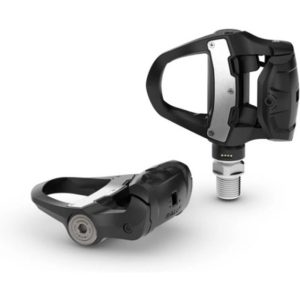
£129.99, ~115g per pedal, 14.8mm stack height. The external carbon-fibre leaf spring gives noticeably sharper, more immediate engagement than a standard coil-spring pedal, and the release tension is user-adjustable by swapping blades (8Nm standard, up to 20Nm). Float comes fixed per cleat colour (0°/4.5°/9°) rather than continuously adjustable, so pick your float before you buy. It’s forgiving of variable riding conditions and easy to service yourself.
Check price on Tredz — Look KEO Blade 08
Premium: Shimano PD-R8000 Ultegra SPD-SL
£138.99. A wider platform than the 105 version for better force distribution over long rides, a lighter carbon body, and Shimano’s smoothest bearing feel in the range short of Dura-Ace. If you’re racing 70.3 or full-distance and want the marginal comfort gain of a bigger platform over five-plus hours in the saddle, this is the pick.
Check price on Tredz — Shimano PD-R8000 Ultegra
Buying Tips
- Match cleats to the system, not just the brand — Shimano SPD-SL and Look KEO cleats are compatible with each other’s pedals, but always confirm before buying separately
- If you’re chasing the lowest possible stack height for an aggressive tri position, a Speedplay-style system is worth comparing against these three — see our Look KEO Blade 08 vs Wahoo Speedplay Zero comparison
- Don’t buy race-day pedals you haven’t trained on — clipping in under fatigue in a wetsuit-numb transition is not the moment to learn a new release angle
Care and Maintenance
Rinse road grit off the spring mechanism after wet rides and re-grease the axle bearings once or twice a season depending on mileage. Replace worn cleats before the float gets sloppy — a cleat with rounded-off edges changes your release tension without you noticing until it fails at an inconvenient moment. If you’re weighing a power meter pedal instead of a standard one, see our best power meter pedals roundup.
This article contains affiliate links. If you purchase through these links, we may earn a small commission at no extra cost to you. This helps support The Triathlete.