Best Compression Calf Sleeves for Triathletes 2026: Run Faster, Recover Quicker
What to Look For
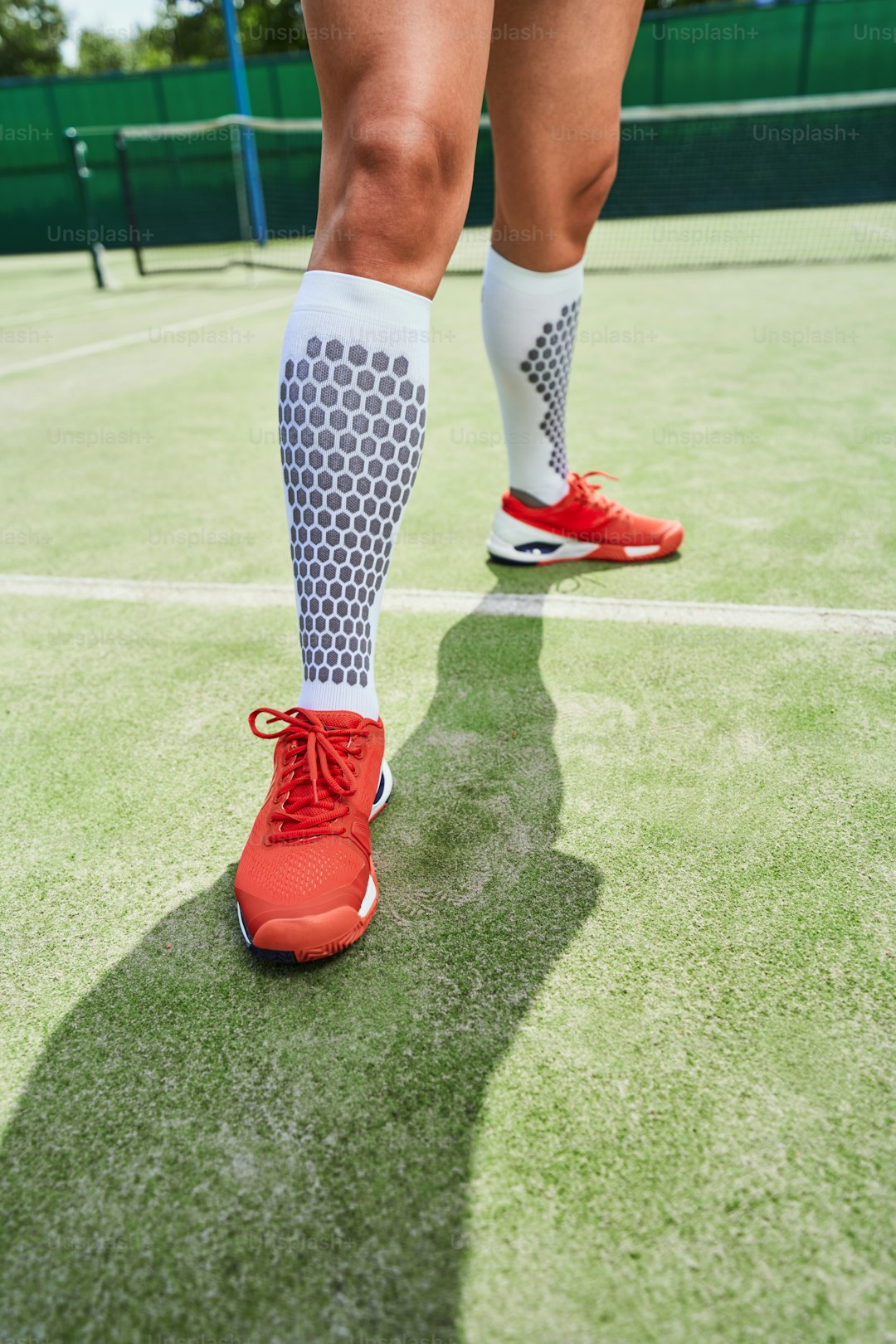
Compression calf sleeves have moved well beyond recovery-room accessory status — elite triathletes now routinely race in them, and the science backs up the practice. Graduated compression (tighter at the ankle, progressively looser towards the knee) improves venous return during exercise, reduces muscle oscillation and lactate accumulation, and accelerates recovery between training sessions. A good pair of calf sleeves can make a genuine difference on your run split and in how fresh your legs feel the day after a hard bike-run session.
Key Features to Consider
- Graduated compression rating — Look for 20–30 mmHg for performance use during training and racing. Higher ratings (30–40 mmHg) are typically for medical recovery use rather than sport.
- Material and breathability — Lightweight polyamide and elastane blends provide compression without trapping heat. Moisture-wicking properties are essential for long-course racing in warm conditions.
- Size accuracy — Calf sleeves only work if the fit is precise. Measure your calf circumference at its widest point and consult the brand’s sizing chart carefully — the wrong size delivers neither benefit nor comfort.
- Durability — Quality compression sleeves maintain their compression profile through 50–100 wash cycles. Cheaper options lose their graduated compression quickly, making them ineffective.
Our Top Picks
Best Overall: Compressport R2V2 Calf Sleeves
The Compressport R2V2 is the industry benchmark for triathlon calf compression and the choice of more professional triathletes than any other sleeve on the market. The R2V2 uses Compressport’s 3D.Dots technology — circular silicone grips on the inner surface that prevent slippage during the run — combined with a 20–30 mmHg graduated compression profile that genuinely reduces calf fatigue. At 32g per sleeve, it adds almost nothing to your kit weight.
Best Value: CEP Calf Sleeve 2.0
CEP are the original sports compression brand, founded in 2007 by German medical compression specialists medi. The Calf Sleeve 2.0 delivers medically proven 20–30 mmHg graduated compression at a more accessible price point than the Compressport. The anatomical knitting is well-engineered, the sizing is consistent, and the durability over repeated washing cycles is excellent. For athletes new to calf compression, the CEP 2.0 is the ideal starting point.
Best Premium: Compressport R2 Racing Calf Sleeves
The original Compressport R2 (predecessor to the R2V2) remains an excellent choice for athletes seeking premium compression at a slightly lower price than the latest model. The knitting structure provides effective calf and shin muscle containment, and the thin profile disappears under a trisuit or wetsuit for open water swims where athletes choose to wear compression. A strong buy for athletes who want the Compressport quality without the R2V2 price tag.
Buying Tips
- Measure your calf at its largest circumference and follow the sizing chart precisely — the single most common mistake is buying sleeves that are too loose to provide effective compression.
- Calf sleeves are distinct from compression socks — sleeves cover only the lower leg and work well over sockless race shoes in T2 for a faster transition.
- Replace calf sleeves after approximately 60–80 washes, or when you notice the fabric feeling noticeably looser around the ankle than it once did.
Care and Maintenance
Wash compression sleeves on a gentle cycle at 30°C and air dry — tumble drying at high heat degrades the elastane fibres and shortens their compression life significantly. Store flat or rolled rather than hung, which can distort the compression gradient over time.
This article contains affiliate links. If you purchase through these links, we may earn a small commission at no extra cost to you. This helps support The Triathlete.