Open Water Swimming Safety: What Every Triathlete Should Know
Open water swimming is one of the most liberating parts of triathlon — but it carries genuine risks that pool swimming does not. Understanding and managing those risks means you can enjoy open water with confidence. This guide covers everything every triathlete should know before entering natural open water.
Know the Risks Before You Get In
Open water environments present hazards that pools don’t: cold water shock, currents, reduced visibility, boat traffic, and the absence of lane ropes to grab in an emergency. The vast majority of open water incidents are preventable with preparation and awareness.
Essential Safety Kit
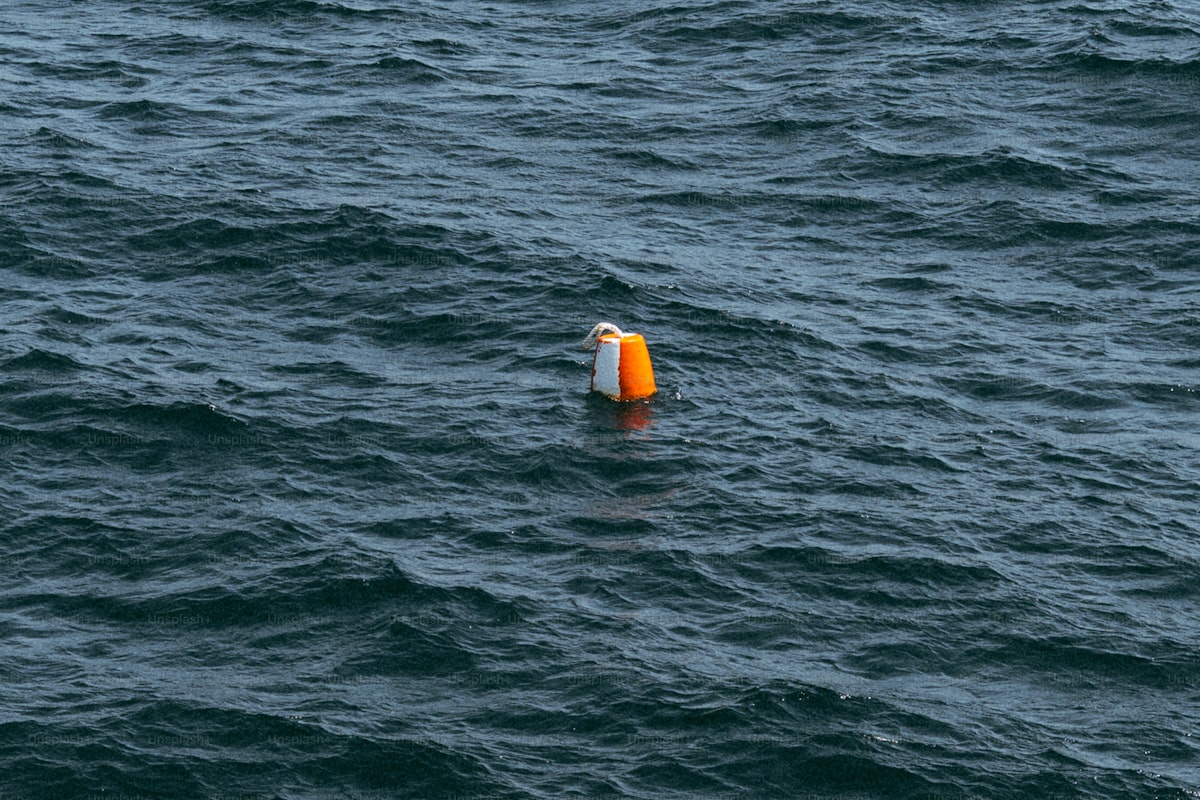
- Swim safety buoy: A brightly coloured inflatable tow float makes you visible to boats and provides a buoyancy aid in an emergency. Never swim open water without one.
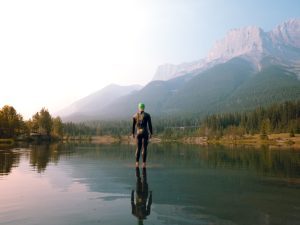
- Wetsuit: Beyond warmth, a wetsuit provides significant buoyancy and slows the onset of cold water incapacitation.
- Bright swim cap: Race or high-visibility caps make you easier to spot from shore or a support vessel.
- GPS watch: Tracks your location and time in the water — useful data if something goes wrong.
Cold Water Shock: What It Is and How to Handle It
Cold water shock is an involuntary gasp reflex triggered when you enter water below about 15°C. This reflex can cause you to inhale water if your face is submerged. In UK waters, temperatures below 15°C are common from October through May. To manage cold water shock: enter the water slowly, splash water on your face and neck before fully submerging, and float on your back for 30-60 seconds while breathing slows.
Never Swim Alone
Swimming with a buddy or at a supervised venue is the single most important safety rule. If you cramp or panic, having someone nearby could save your life. If solo swimming is unavoidable, inform someone onshore of your route and expected return time. Stick to known, popular venues with good visibility from shore.
Sighting and Navigation
Regular sighting prevents you from drifting towards boat traffic or out of safe swim zones. Lift your eyes (not your head) every 8-10 strokes to locate buoys or landmarks. Always check local rules — some waterways have designated swim areas away from boat lanes.
What to Do If Things Go Wrong
- Panic or breathing difficulty: Roll to your back immediately and float. Slow, controlled breathing recovers you within 60-90 seconds.
- Cramp: Gently stretch the cramped muscle, float on your back, and signal to your swim buddy.
- Boat approaching: Stay as still as possible and make yourself visible — waving your orange swim buoy is the most effective signal.
- Exhaustion: If you can no longer swim, roll onto your back and float — a wetsuit will keep you afloat indefinitely.
Approved Open Water Venues in the UK
Stick to Swim England or British Triathlon approved open water venues wherever possible. These venues have lifeguard supervision, marked swim zones, and regular water quality testing. Wild swimming in rivers or reservoirs without supervision is significantly riskier and should be approached with extra caution.