
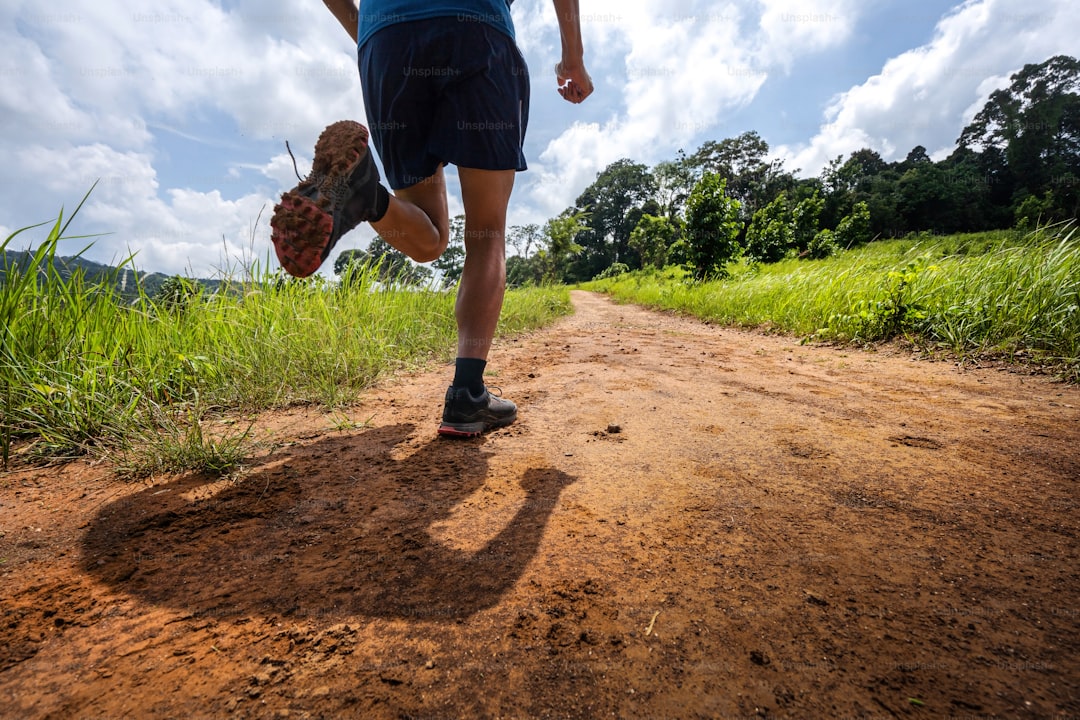
Intermediate Trail Run: Off-Road Endurance Session
Session Overview
Taking your training off-road offers benefits that tarmac running cannot: proprioceptive challenge, single-leg stability, mental freshness and a break from the repetitive loading of road running. This 60-minute intermediate trail run builds the off-road fitness and confidence needed for triathlon training in natural environments and cross-country style events.
What You'll Need
- Trail running shoes with adequate grip for the terrain
- Running watch with GPS (off-road terrain makes pace unreliable — train by time and effort)
- 500ml water bottle or running vest for routes away from facilities
- Phone for navigation if unfamiliar with the trail
Warm-Up (10 minutes)
Start with 10 minutes of easy flat running on a path or track before hitting the trail proper. Include 6 x 20m high-knee skips and 6 x 20m lateral bounds to activate the stabilising muscles and prepare your ankles for uneven terrain.
Main Set
The session is structured around terrain type rather than heart rate zones — trail pace varies naturally with the ground. Focus on effort and form throughout, not GPS pace.
- Minutes 10-25: Moderate trail on flat or gently rolling ground; RPE 5-6, consistent effort
- Minutes 25-35: Introduce a hill or technical section — shorten stride on inclines, walk steep descents if needed
- Minutes 35-45: Flat trail return — increase effort to RPE 7, focus on light foot contact and arm drive
- Minutes 45-50: Final hill push at RPE 8 — 2 x 2.5-minute hard climbing efforts with 1-minute jog recovery
Cool-Down (10 minutes)
10 minutes easy on flat ground or grass. Stretch your hip flexors, calves and IT band — trail running loads these areas more than road running. Take note of where your ankles and stabilisers feel fatigued as this guides your strength training priorities.
Coaching Notes
- Shorten your stride on technical terrain — smaller steps are faster and safer on rocks and roots
- Look ahead on the trail, not at your feet — your peripheral vision handles footfall placement
- On descents, lean forward slightly from the ankles (not the waist) and let gravity assist you
- Scale down: stick to flat, well-groomed trail paths and omit the hill section
- Expect your pace to be 45-90 seconds per km slower than road pace — this is normal and expected
You Might Also Like




Training at your own risk. The information provided is for general guidance only and is not a substitute for professional medical advice. Please consult a doctor before starting any new exercise programme, especially if you have any pre-existing health conditions.