
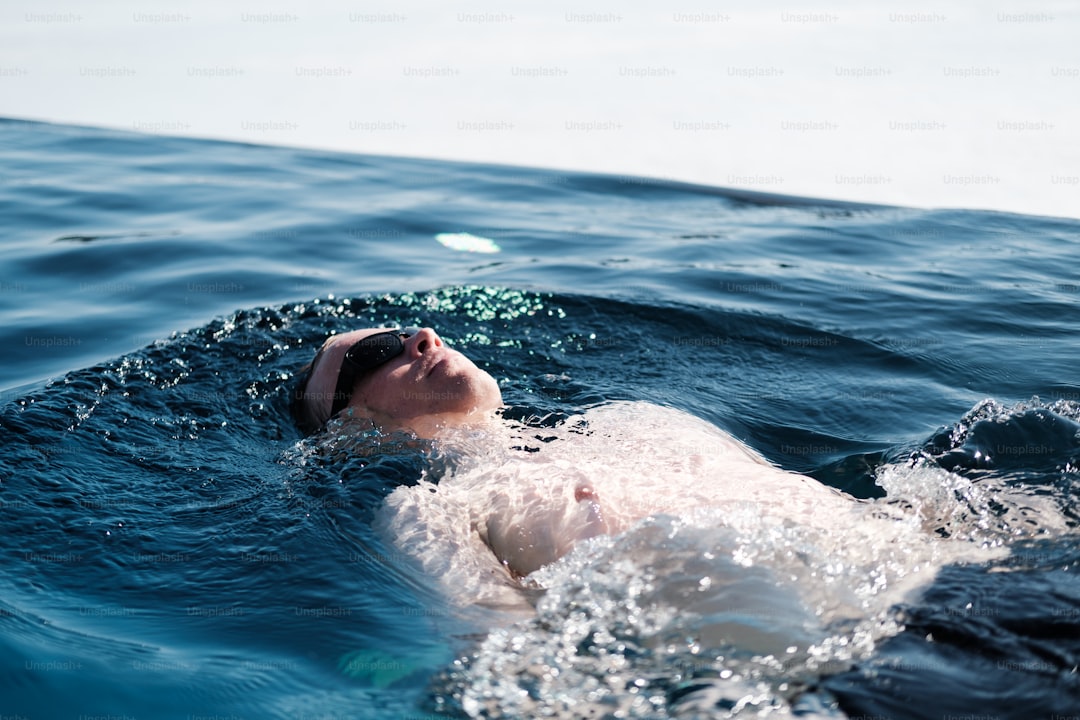
Hypoxic Pool Swim Set: 45-Minute Breath Control for Open Water
Session Overview
Hypoxic training restricts your breathing frequency during swim sets, forcing your body to become more efficient at oxygen use and your mind to stay calm under respiratory stress. For triathletes, this transfers directly to open water racing — where choppy conditions, cold water, or the chaos of a mass start can disrupt your normal breathing rhythm. This 45-minute session builds both physiological tolerance and mental resilience.
What You’ll Need
- Access to a 25m pool
- Swim goggles and cap
- No fins or pull buoy — you need the full body load for hypoxic work
- A clear lane — you’ll be swimming at variable speeds and need uninterrupted lengths
Warm-Up (10 minutes)
Swim 300m easy freestyle breathing every 2 strokes (bilateral if possible). Take your time — this warm-up prepares your respiratory system and helps you establish a calm, controlled breathing pattern before you restrict it. If you feel any breathlessness during the warm-up, extend it by 100m before beginning the main set.
Main Set
All hypoxic sets use restricted breathing patterns. The number shown (e.g. ‘breathe every 5’) means one breath per that many strokes. Start with manageable patterns and progress. Swim at moderate effort (RPE 6-7/10) — this isn’t sprint work, it’s breath control work.
- 4 x 50m breathing every 3 strokes — 20 seconds rest between each
- 4 x 50m breathing every 5 strokes — 25 seconds rest between each
- 4 x 50m breathing every 7 strokes — 30 seconds rest between each
- 2 x 100m breathing every 3 strokes, alternating to every 5 strokes on every other 25m — 30 seconds rest
Cool-Down (5 minutes)
Swim 200m easy breaststroke or backstroke breathing freely and normally. Let your respiratory system decompress and return to its natural rhythm. Hypoxic work can leave you feeling light-headed if you stop suddenly — the cool-down length is important here. Hydrate well after this session.
Coaching Notes
- Safety first: always swim in a supervised pool and never practice breath-holding or hypoxic work alone
- If you feel panicked or dizzy at any point, breathe normally immediately — hypoxic training should be challenging but never scary
- Progress gradually: if breathing every 5 is too difficult today, back off to every 3 and build over weeks
- Never hyperventilate before a hypoxic set — this is dangerous and counterproductive
- Once a week is sufficient — hypoxic work complements regular swim training, it doesn’t replace it
You Might Also Like


Training at your own risk. The information provided is for general guidance only and is not a substitute for professional medical advice. Please consult a doctor before starting any new exercise programme, especially if you have any pre-existing health conditions.