
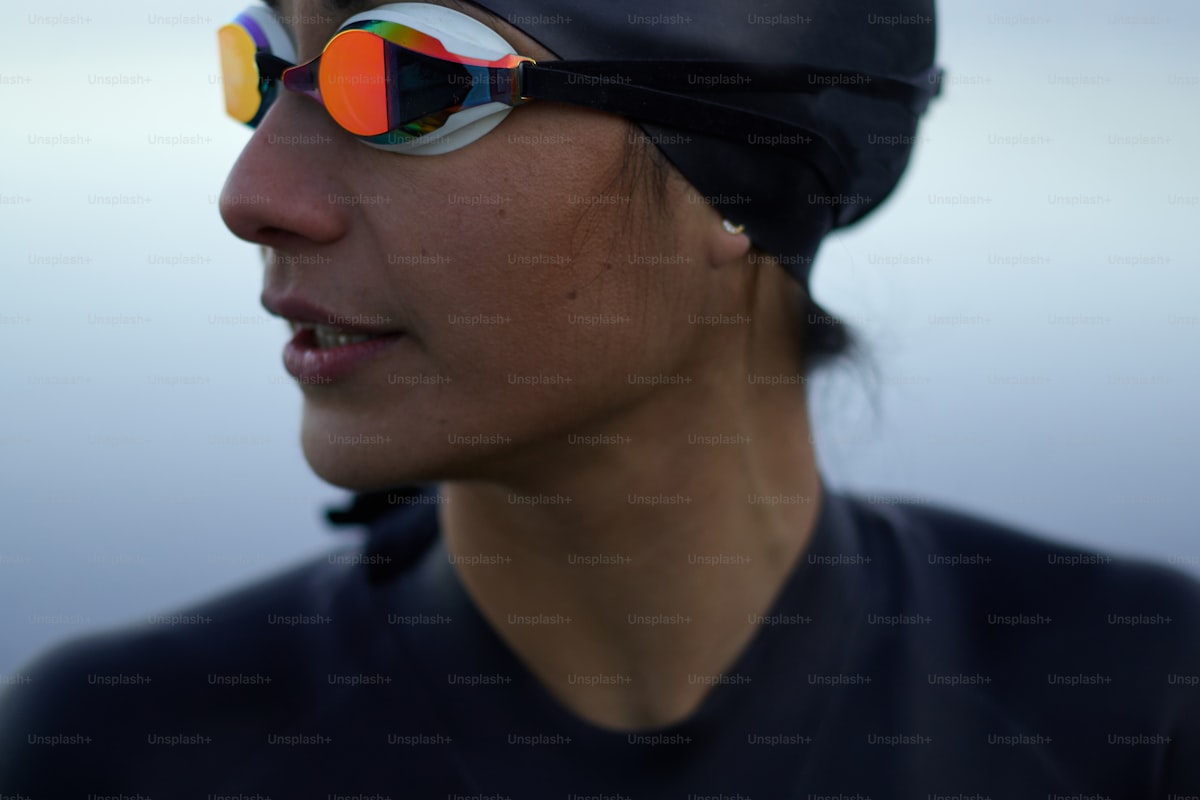
Bilateral Breathing Swim Session: Master Both-Side Breathing
Session Overview
This 45-minute pool session focuses on bilateral breathing technique — the skill of breathing to both sides every three strokes. Mastering bilateral breathing creates a more balanced, efficient stroke and is essential for open water swimming where conditions dictate which side you breathe on.
What You’ll Need
- Access to a 25m or 50m pool
- Swim goggles and cap
- Kickboard (optional)
- Pull buoy (optional)
Warm-Up (10 minutes)
Start with 4 x 50m easy freestyle, breathing every two strokes on your natural side. Focus on long, relaxed strokes and a steady kick. Take 20 seconds rest between each 50m. Follow with 2 x 25m single-arm drill, leading with the arm opposite to your breathing side.
Main Set
The main set builds bilateral breathing through progressive challenges. Aim for a comfortable threshold pace — you should feel mildly challenged but maintain good form throughout. Rest as indicated to avoid fatigue compromising technique.
- 4 x 100m: breathe every 3 strokes (bilateral), 30 seconds rest — focus on smooth rotation to both sides
- 4 x 50m: breathe every 5 strokes (bilateral), 20 seconds rest — builds longer breath-holding comfort
- 2 x 200m: alternate 25m breathing left only / 25m breathing right only, 40 seconds rest — isolates each side
- 4 x 50m: breathe every 3 strokes bilateral, aim for best effort, 30 seconds rest
Cool-Down (5 minutes)
Swim 200m easy backstroke or relaxed freestyle with no breathing restrictions. Focus on letting your stroke settle back to natural. Finish with 30 seconds of gentle treading water to bring your heart rate down.
Coaching Notes
- Rotate your whole body to each side — don’t just turn your head; your hips should drive the movement
- Common mistake: rushing the breath. Exhale completely underwater before turning to inhale
- Scaling down: if 3-stroke breathing feels difficult, start with 2-stroke on your weak side for the 100m sets
- Scaling up: add a 300m broken swim (3 x 100m on 10 seconds rest) at the end using strict bilateral breathing
- Target RPE: 5-6 out of 10 for the main set; technique should never break down under fatigue
You Might Also Like


Training at your own risk. The information provided is for general guidance only and is not a substitute for professional medical advice. Please consult a doctor before starting any new exercise programme, especially if you have any pre-existing health conditions.