
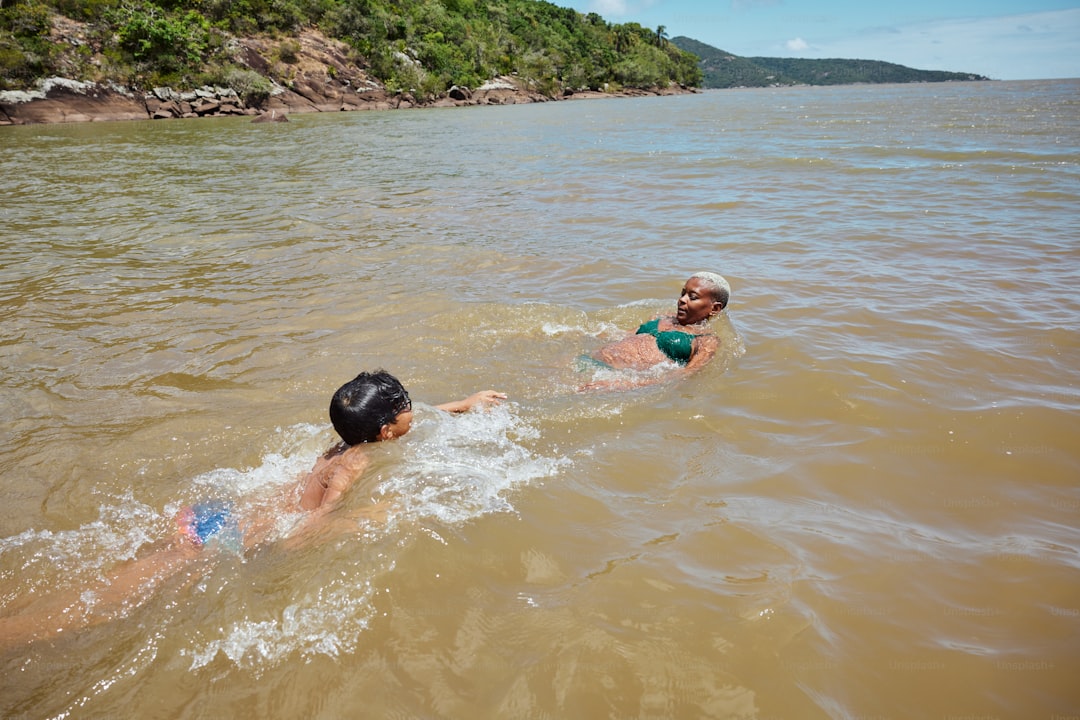
Open Water Swim: Race Start Practice
Session Overview
The mass swim start is one of the most chaotic and daunting moments in triathlon — but it doesn’t have to be. This 45-minute open water session is designed to help intermediate triathletes practice race start technique, manage contact anxiety, and build the confidence to hold your line when the gun fires. Best performed in a sheltered lake or reservoir before your first race of the season.
What You’ll Need
- Triathlon or open water wetsuit
- Open water swimming goggles (tinted lenses if sunny)
- Swim cap (brightly coloured for visibility)
- Swim buoy for safety (bright orange recommended)
- A training partner or small group is ideal for realistic race start practice
Warm-Up (10 minutes)
Enter the water carefully and acclimatise for 2–3 minutes — especially if the water is cold. Swim 300–400m at an easy pace, practising sighting every 6 strokes (lift your head just enough to see a landmark ahead). Finish with 4 x 15-second hard efforts from standing in shallow water, recovering for 45 seconds between each. This simulates the high-intensity push from the beach start.
Main Set
The main set focuses on race start repetitions and sustained open water efforts. If training alone, focus on starts and sighting. With a group, practice in close proximity to simulate real race conditions.
- Race starts × 6: From standing in waist-deep water, sprint for 20 strokes, then transition to your race pace for 50m. Rest 90 seconds. Focus on a powerful, high-cadence start before settling.
- Sustained effort: 2 × 400m at race pace (Olympic distance effort — comfortably hard), recovering with 2 minutes easy swimming between reps. Sight every 6 strokes throughout.
- Buoy turns × 4: Swim 50m to a buoy or marker, practice a tight inside turn, swim back. Work on not losing momentum around the turn.
Cool-Down (5 minutes)
Swim 200m at an easy, exploratory pace — focus on long strokes and enjoying the environment. Exit the water slowly and spend 3 minutes stretching your shoulders and chest before changing.
Coaching Notes
- Always swim open water with at least one other person — never alone
- If contact anxiety is an issue, start by practising with just one training partner before scaling up
- Sight landmarks on the far bank or a fixed object — not just the buoy — for straighter navigation
- Easier version: reduce race starts to 3 reps and keep sustained efforts at 200m
- Remember: the mass start chaos calms within the first 200m — your goal is to stay calm and find space
You Might Also Like




Training at your own risk. The information provided is for general guidance only and is not a substitute for professional medical advice. Please consult a doctor before starting any new exercise programme, especially if you have any pre-existing health conditions.