
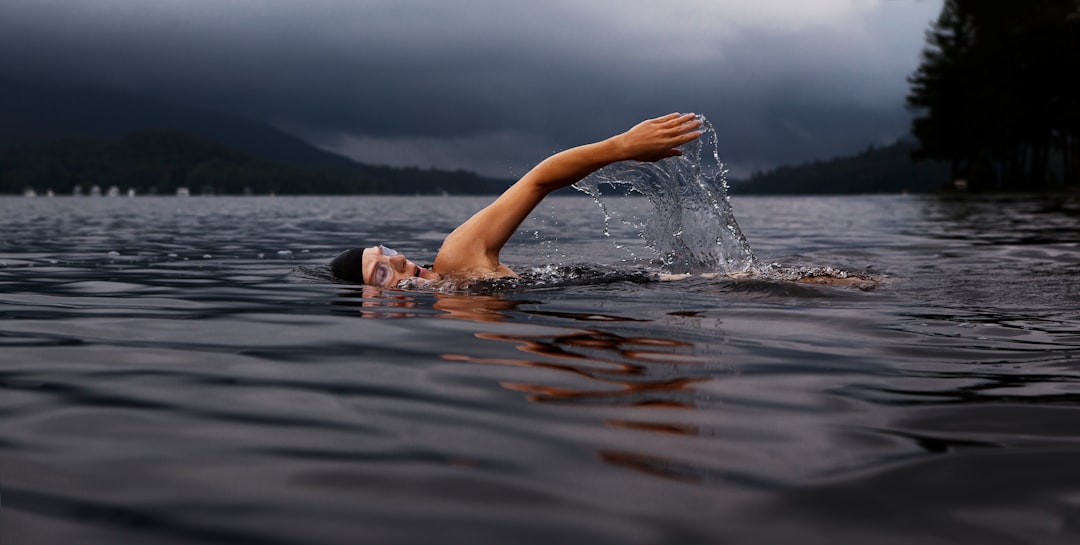
Open Water 2km Negative Split Time Trial Session
Session Overview
A 2km open water time trial built around the negative split principle — your second kilometre must be faster than your first. An ideal intermediate benchmark for peak race season, this session teaches you to pace conservatively early and unleash finishing speed when it counts most.
What You’ll Need
- Open water venue (lake, reservoir or sea) with clear 500m or 1km buoy markers
- Wetsuit if water temperature is below 18°C
- GPS watch or open water GPS device to track pace and distance
- Swimming buddy or spotter — mandatory for open water safety
Warm-Up (10 minutes)
Swim 400–600m at easy, controlled pace. Include 4 x 25m build pickups to 80% effort to raise your heart rate and prime your stroke mechanics. Allow 2 minutes floating rest before starting the time trial.
Main Set
Complete a 2km continuous swim as a time trial. The challenge is to make the split as negative as possible:
- First 1km: Controlled aerobic effort at approximately 75–80% max. Hold back slightly — you should feel you have more.
- Second 1km: Progressively build, targeting the final 500m at full race effort or above.
- Goal: Second kilometre at least 15–30 seconds faster than the first.
- Record total time and kilometre splits to track progress over the season.
Cool-Down (5 minutes)
Easy 200–300m breaststroke or backstroke to bring heart rate down gradually. Stretch shoulders and hip flexors on land for 3–5 minutes after exiting the water.
Coaching Notes
- Sight every 6–8 strokes to hold a straight line — poor sighting adds 50–100m to a 2km effort.
- Initiate the second kilometre build by shortening your stroke rate, not by thrashing harder — efficiency first.
- If the first 1km already feels hard, back off immediately; the session only works when the split is genuinely negative.
- Beginner modification: reduce to 1km with a 500m negative split target.
- Advanced variation: repeat twice with 5 minutes active rest between efforts.
You Might Also Like
Training at your own risk. The information provided is for general guidance only and is not a substitute for professional medical advice. Please consult a doctor before starting any new exercise programme, especially if you have any pre-existing health conditions.