
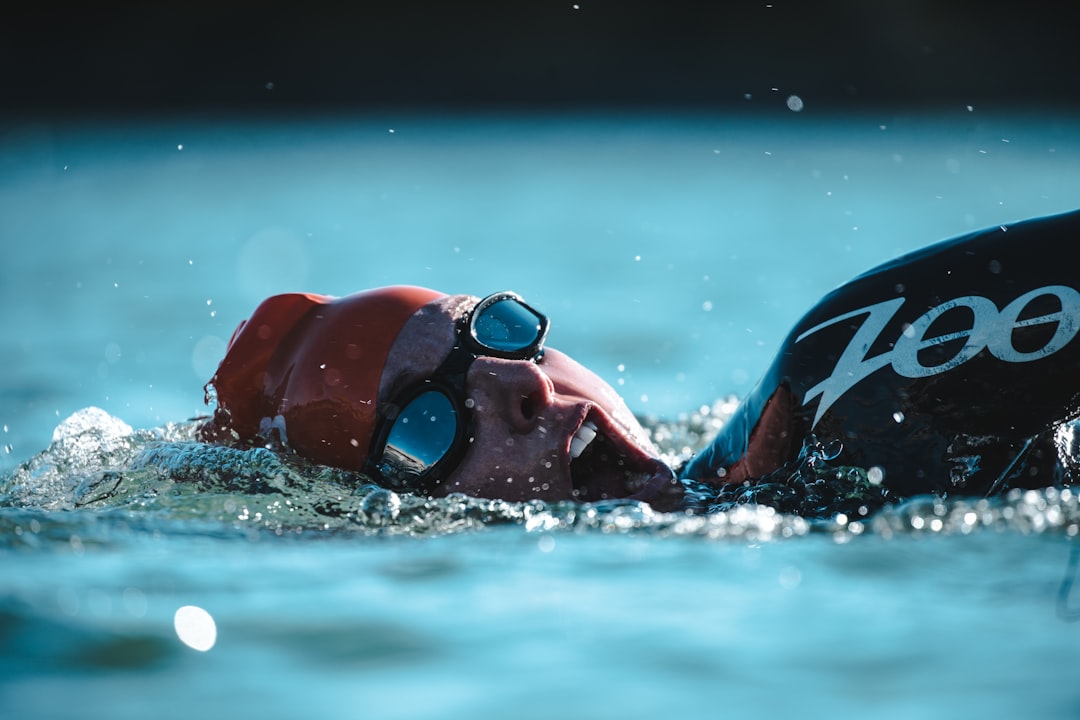
1km Open Water Time Trial
Session Overview
This 30-minute open water session centres on a single timed 1km effort — the same distance as a sprint triathlon swim. You will benchmark your open water pace, practise sighting under pressure and train your mind to push hard outside the comfort of the pool.
What You’ll Need
- Open water lake, reservoir or coastal swim venue
- Wetsuit (if water temperature is below 20°C)
- Swim watch or waterproof timer
- Bright swim cap and tow float (safety essential)
- Swim partner or lifeguard supervision
Warm-Up (8 minutes)
Enter the water gradually and swim 2–3 minutes easy to acclimatise to the temperature. Then complete two short 100m efforts at a moderate pace to settle your breathing and rhythm. Rest 60 seconds after the second effort before starting the time trial.
Main Set
The main effort is a single maximal 1km time trial. Start your watch as you push off and swim as evenly and efficiently as you can for the full distance.
- 1 x 1000m time trial — maximal effort, record your finish time
- Sight every 6–10 strokes — pick a fixed landmark ahead and swim straight to it
- Aim for a negative split: try to swim the second 500m slightly faster than the first
- If racing in a wetsuit, run this session in your suit so you know your paced time in both conditions
Cool-Down (5 minutes)
After the effort, float on your back for 30 seconds to lower your heart rate. Swim 200m easy recovery pace focusing on breathing and long strokes, then exit carefully and warm up on land straight away.
Coaching Notes
- Record your time — this is your open water benchmark. Repeat monthly to track improvement.
- Do not sprint the first 100m; it is the most common mistake and blows up your second half
- Stay calm if you feel uncomfortable — focus on technique and your stroke rhythm, not your surroundings
- Always swim with a partner or within sight of a safety vessel in open water
- RPE: aim for 8–9/10 during the time trial — it should feel hard but not panicked
You Might Also Like
Training at your own risk. The information provided is for general guidance only and is not a substitute for professional medical advice. Please consult a doctor before starting any new exercise programme, especially if you have any pre-existing health conditions.