T100 vs WTCS: What’s the Difference Between Elite Triathlon Formats?
If you follow elite triathlon, you have likely heard both T100 and WTCS mentioned in the same breath. They are the two dominant series in professional triathlon — but they could not be more different in format, distance, and what they reward athletically. Here is everything you need to know about both circuits and why they matter for how the sport develops.
What Is the T100?
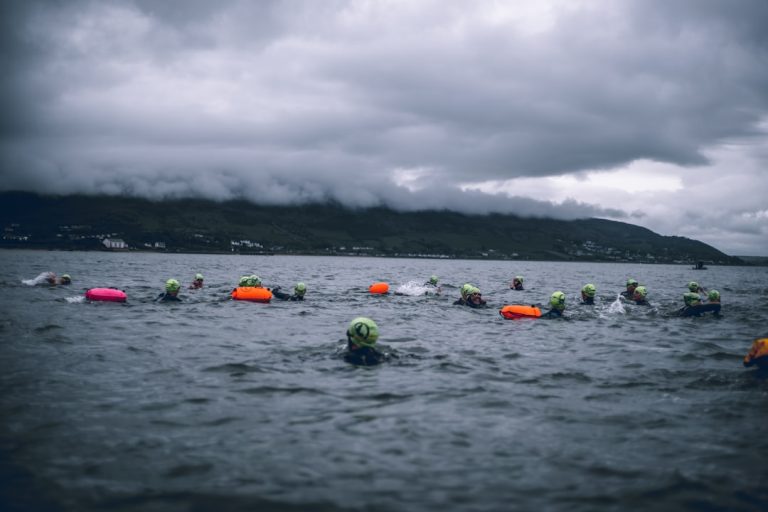
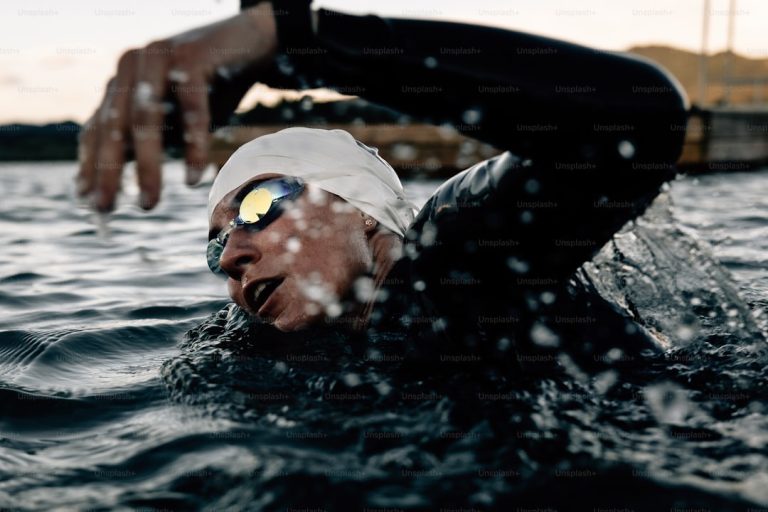
The T100 is the PTO’s (Professional Triathletes Organisation) global racing series for long-course, non-draft triathlon. Races consist of a 2km swim, 80km bike and 18km run — totalling 100km, hence the name. Athletes ride individually at their own pace; drafting is not permitted on the bike. Prize money is significant (typically £50,000–£100,000 per event), and races are streamed globally through dedicated broadcast partnerships. The T100 attracted major investment in 2024–2026 with events in locations including Singapore, San Francisco, Gold Coast, Spain and the French Riviera. In 2026, the PTO separated the T100 weekends from their broader ranking system, removing contract obligations for athletes.
What Is the WTCS?
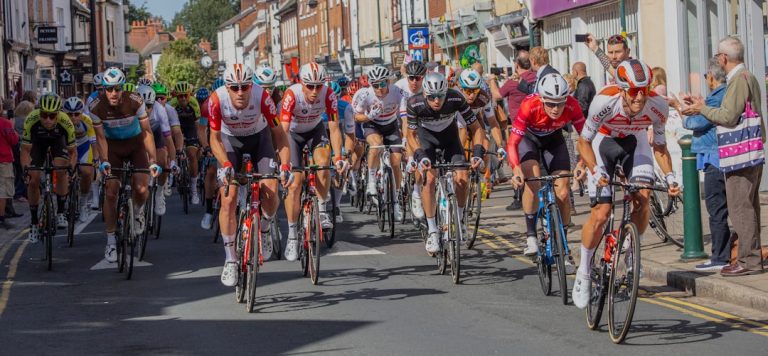
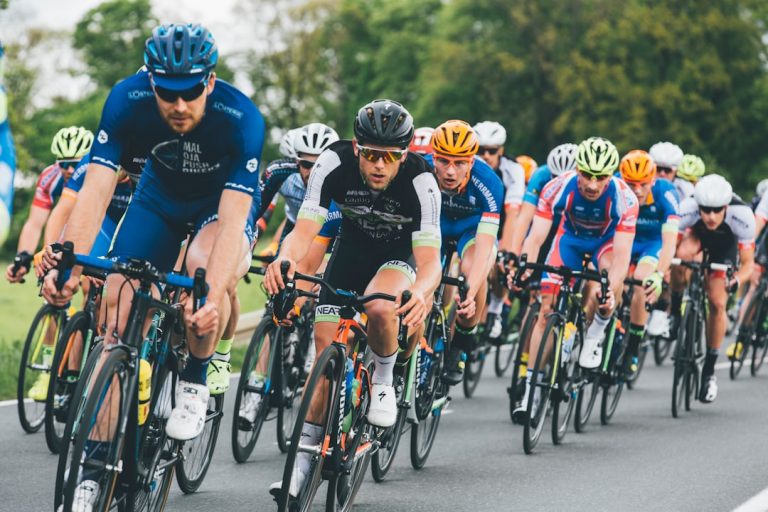
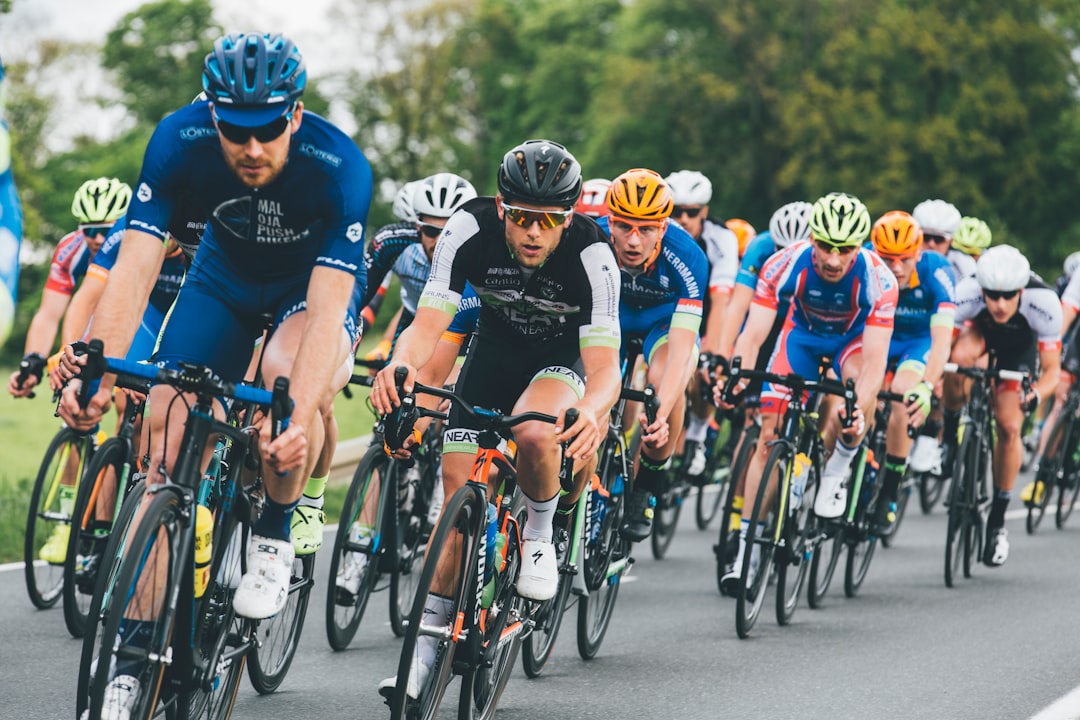
The WTCS — World Triathlon Championship Series — is the Olympic-distance and sprint-distance professional circuit governed by World Triathlon (formerly the ITU). Races feature a 1.5km swim, 40km bike and 10km run at Olympic distance. Crucially, drafting is fully permitted on the bike leg, making it a tactical, pack-cycling discipline where race dynamics are completely different from long-course racing. The WTCS is the pathway to Olympic selection, with points accumulated across 8–10 events per year contributing directly to LA28 qualification rankings. Events are held in cities including Yokohama, Hamburg, London, Alghero and the Grand Final.
Key Differences at a Glance
- Distance: T100 = 100km total (2km/80km/18km) vs WTCS = ~51.5km (1.5km/40km/10km)
- Draft legal: T100 = non-draft (individual effort) vs WTCS = fully draft-legal (pack cycling, tactics-driven)
- Governing body: T100 = Professional Triathletes Organisation (PTO) vs WTCS = World Triathlon (ITU-based)
- Olympic pathway: T100 = none vs WTCS = direct LA28 Olympic qualification points
- Prize money: T100 historically higher per-event; WTCS supplemented by podium bonuses and season-long points prizes
- Athlete overlap: Some athletes compete in both; many WTCS athletes avoid long-course racing in Olympic years to protect recovery
Which Series to Watch
If you are drawn to head-to-head racing and tactics — breakaways, pack riding and sprint finishes — WTCS events are riveting to watch. Athletes like Hayden Wilde, Cassandre Beaugrand and Matt Hauser excel in the draft-legal format. If you prefer watching pure athletic endurance and individual pacing strategies, T100 events are compelling — athletes like Sam Laidlow, Taylor Knibb and Georgia Taylor-Brown shine in the longer format. In 2026, with LA28 qualification ramping up, WTCS races carry extra stakes for anyone interested in Olympic triathlon.
Can Athletes Do Both?
Yes, and many do. Athletes like Hayden Wilde compete in both the T100 long-course and WTCS draft-legal circuits — an impressive physiological range. However, the demands are genuinely different. The cycling training for non-draft long-course racing (sustained solo efforts) conflicts with the pack-riding and sprint-specific training needed for draft-legal success. In Olympic years, most athletes prioritise WTCS for qualification, then target T100 events outside peak WTCS blocks.