
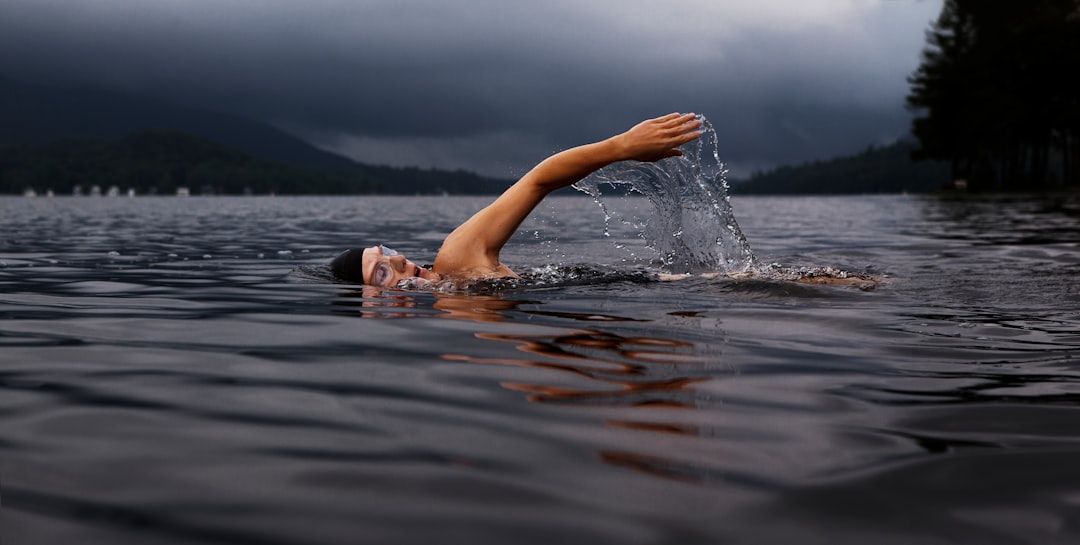
Open Water Tempo Build: 2x1km Race Effort Swim
Session Overview
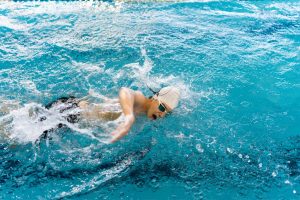
This open water session develops your ability to hold race pace in real open water conditions through two 1km efforts of increasing intensity. Unlike pool swimming, open water requires you to manage sighting, navigation, and the turbulence of current or chop simultaneously. This session builds threshold swim fitness while training the specific race skills that determine whether your pool fitness actually transfers to your triathlon swim leg.
What You’ll Need
- Open water venue (lake, reservoir, or calm bay) with a measured or buoyed loop
- Wetsuit (if water temperature is below 22°C)
- Tow float or safety buoy (always recommended in open water)
- Sighting landmarks or buoys marking your route
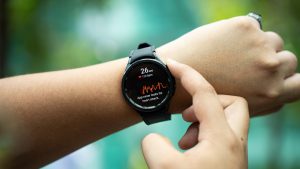
- GPS watch with open water swim mode (optional but useful for pacing)
Warm-Up (10 minutes)
Enter the water slowly and swim the first 200-300m at a very easy pace. In open water this is especially important — cold water shock can cause rapid breathing changes that disrupt your rhythm. Focus on long, relaxed strokes and establishing a steady breathing pattern before increasing the intensity of your effort.
Main Set
Two 1km efforts with 3 minutes of easy swimming between them. The first rep builds progressively across four 250m quarters; the second rep is a sustained race-pace effort held throughout.
- Rep 1 — 1km Building Effort: First 250m easy, second 250m comfortable, third 250m race pace, fourth 250m push hard to your landmark
- 3 minutes easy swimming recovery
- Rep 2 — 1km Race Effort: Start at race pace and hold throughout — focus on sighting every 8-10 strokes and swimming a straight line
Cool-Down (10 minutes)
500m easy backstroke or gentle freestyle, focusing on long strokes and relaxed breathing. Exit the water slowly and warm up immediately — body temperature drops quickly after open water exertion.
Coaching Notes
- Sighting is a skill that deteriorates under fatigue: practise sighting every 8 strokes during Rep 2 by lifting your eyes just above the waterline as you breathe, then returning to your stroke without breaking rhythm.
- Open water pace is typically 10-20% slower than your pool pace for the same perceived effort — do not panic if your GPS shows a slower speed than your pool times suggest.
- Beginner scaling: reduce to 2x500m with 4 minutes rest; intermediate as written; advanced: add a third 1km rep at race pace or harder.
- Always swim with a buddy or in sight of a lifeguard in open water — even in a wetsuit, open water swimming carries inherent risk that should never be dismissed.
You Might Also Like

Training at your own risk. The information provided is for general guidance only and is not a substitute for professional medical advice. Please consult a doctor before starting any new exercise programme, especially if you have any pre-existing health conditions.