ASICS Noosa Tri 16 Review: The Best Triathlon Racing Shoe in 2026?
What to Look For in a Triathlon Racing Shoe
A dedicated triathlon racing shoe needs to balance speed, transition-friendly entry, and enough cushioning to protect your legs after a hard bike leg. The ASICS Noosa Tri 16 is ASICS’s flagship triathlon-specific racing flat, designed from the outsole up for race-day performance across sprint and Olympic distance events. With the Tri 16, ASICS has made meaningful upgrades that make it one of the most capable dedicated triathlon shoes available in 2026.
Key Features to Consider
- FF BLAST+ Midsole — Upgraded from the Noosa Tri 15, the FF BLAST+ foam delivers a noticeably more responsive and cushioned ride without adding weight, making the shoe feel livelier under fatigue on the run leg.
- ASICSGRIP Outsole — Provides excellent grip on wet transition surfaces and road tarmac. Confidence in each stride matters when you’re pushing hard after T2.
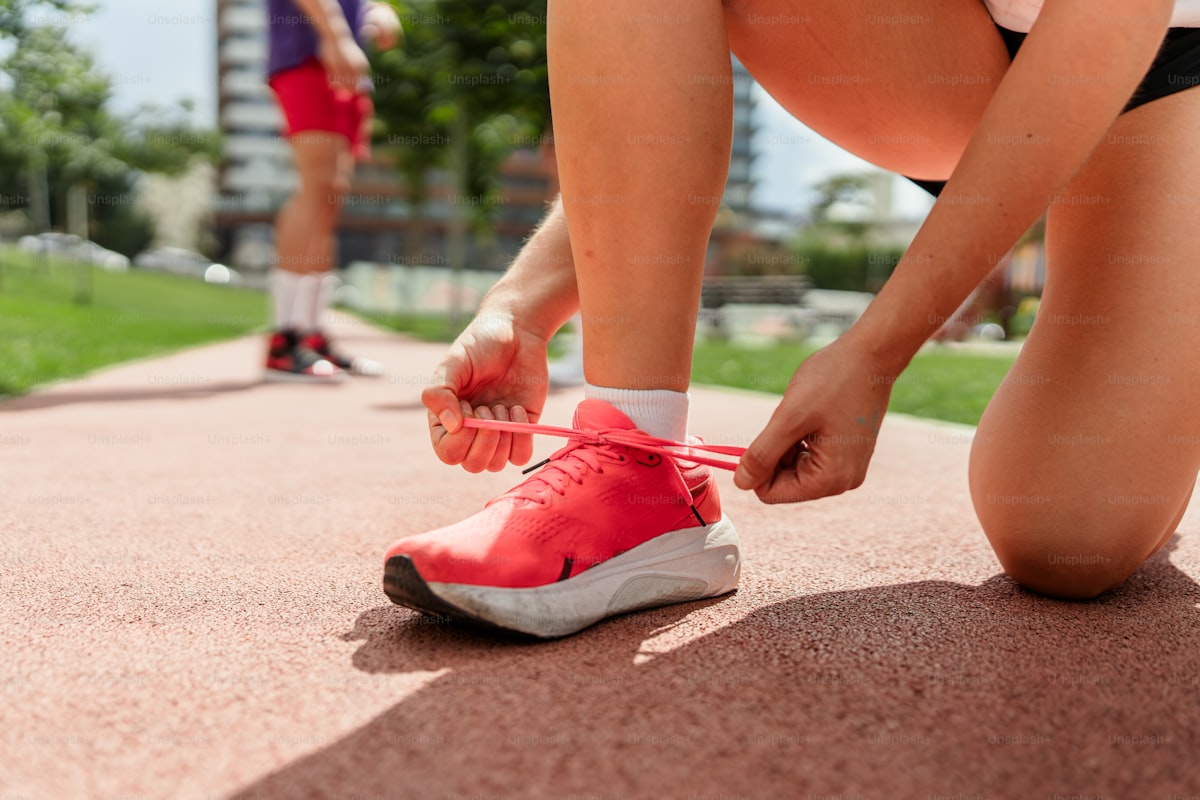
- Elasticated Quick-Lace System — Allows sockless entry in seconds during T2, a genuine competitive advantage for age groupers chasing faster transitions.
- Lower Achilles Collar — Reduces heel irritation when running sockless, a key refinement over its predecessor. The more rounded toebox also allows natural toe splay when your feet swell during a race.
Our Top Picks
Best Overall: ASICS Noosa Tri 16
The Noosa Tri 16 excels as a race-day shoe for sprint and Olympic triathlon. The FF BLAST+ foam gives it a livelier, more cushioned ride than its predecessor, while the 12g weight saving means it still feels fast underfoot. It’s particularly well-suited to triathletes who run sockless — the lower Achilles collar and updated last design make it genuinely comfortable without socks in a way that many racing flats are not. For those racing standalone 5K or 10K events, it doubles up as an effective short-distance racing shoe.
Best for Longer Distances: ASICS Gel-Cumulus 28
If you’re racing 70.3 or full Ironman, the Noosa Tri 16’s lightweight construction may not provide enough cushioning for a 21km or 42km run. The ASICS Gel-Cumulus 28 offers significantly more cushioning for longer run legs, at the cost of some speed and transition convenience. Consider using the Noosa Tri 16 for sprint and Olympic, and a more cushioned option for half and full Ironman.
Buying Tips
- The Noosa Tri 16 runs true to standard ASICS sizing. Wide-foot triathletes may want to try a half size up, as the fit is on the narrower side in the midfoot.
- Break the shoe in during at least two or three training runs before race day, especially if you plan to wear them sockless. This prevents blistering at the heel and Achilles.
- Use the Noosa Tri 16 as a dedicated race shoe rather than a daily trainer — the lightweight construction is not built for high mileage training blocks.
Care and Maintenance
Rinse the Noosa Tri 16 with clean water after races, particularly if you’ve run through river crossings or sea sections. Remove the insole to dry separately and always air dry — machine washing can degrade the FF BLAST+ foam and elasticated lacing system. Replace the shoe when the midsole feels flat or the outsole grip begins to wear through.
This article contains affiliate links. If you purchase through these links, we may earn a small commission at no extra cost to you. This helps support The Triathlete.