How to Train for an Aquabike: The Complete Beginner’s Guide
What Is an Aquabike?
An aquabike is a two-discipline race combining an open water swim and a bike leg — no run at the finish. Born from the triathlon world, aquabike has grown into a standalone format with its own dedicated race calendar, offering an appealing option for athletes who love swimming and cycling but want to protect injury-prone joints, or simply want a different competitive challenge.
Aquabike Race Formats
Aquabike races typically mirror triathlon distances without the run leg:
- Sprint aquabike: 750m swim + 20km bike
- Olympic aquabike: 1500m swim + 40km bike
- 70.3 aquabike: 1900m swim + 90km bike
- Full distance aquabike: 3800m swim + 180km bike
How Aquabike Training Differs from Triathlon
Without a run leg, aquabike training is refreshingly streamlined. You can push harder on the bike because there’s no need to save energy for a run. This shifts the race dynamic significantly — athletes who are strong cyclists will find aquabike particularly rewarding, and swim-to-bike transitions become even more critical for overall positioning.
- Bike volume increases: Without run training, most of your aerobic conditioning comes from cycling. Aim for 3–4 bike sessions per week, including one long ride and one race-pace effort.
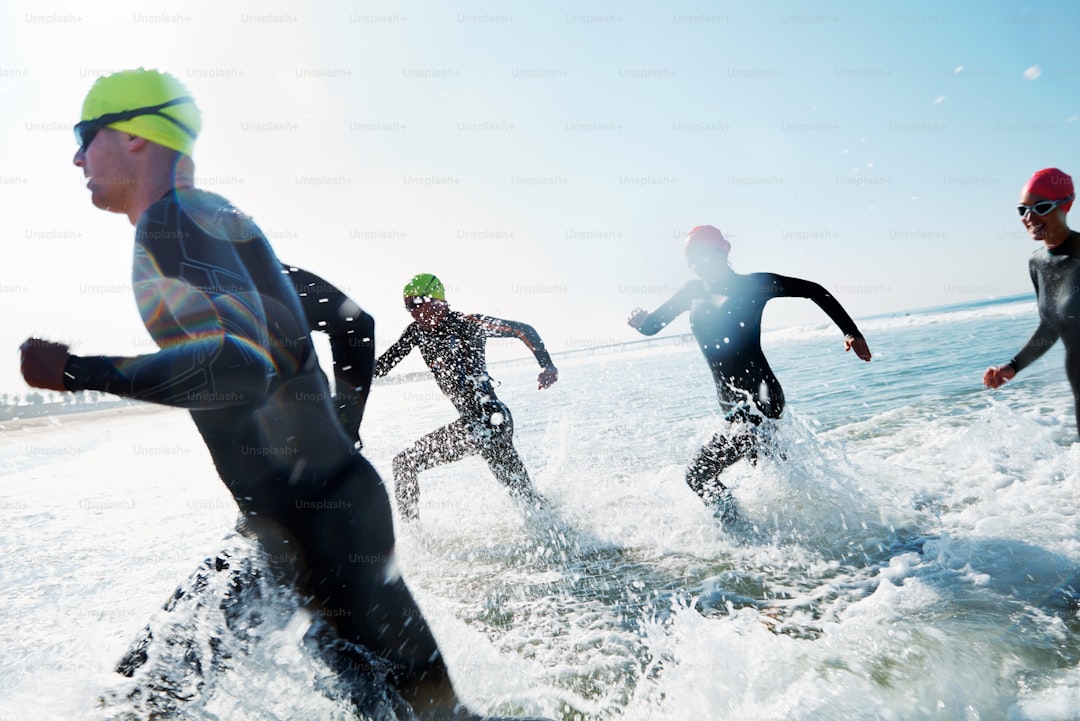
- Swim frequency stays similar: Open water swimming, race starts, and sighting are still key. Two to three swims per week — one open water — is typical preparation.
- No brick runs required: Bricks are still useful (swim into bike), but you’re training your body to push hard on the bike from a swim start, not to transition to a run.
Key Aquabike Training Sessions
To prepare effectively for aquabike, include these sessions in your weekly training:
- Swim-to-bike brick: Open water swim (800–1500m at race pace) followed immediately by a 20–45km bike at race effort. This replicates the transition fatigue you’ll experience on race day.
- Race-pace bike intervals: 3–4 x 15-minute efforts at your target aquabike power (RPE 8). These build the specific endurance needed to hold pace when your heart rate is already elevated from the swim.
- Long endurance ride: A weekly ride of 2–3 hours at zone 2 to build your aerobic cycling base. For longer aquabike distances, this session is your foundation.
- Open water race-start practice: Hard 200–400m efforts from a standing water start, simulating the chaotic mass start of a race.
Gear Essentials
Aquabike gear requirements are the same as triathlon for the most part — wetsuit, bike, helmet, and open water swim goggles. Because you’re not running, your footwear choice for transition is simpler: cycling shoes you can exit quickly are all you need. A trisuit or bib shorts with a jersey works well, especially for longer distances.
Who Should Consider Aquabike?
- Runners recovering from injury who want to stay competitive
- Cyclists looking to add a swimming element to their racing
- Triathletes who want a new challenge without the run training load
- Athletes targeting long-distance aquabike as a stepping stone to full Ironman