
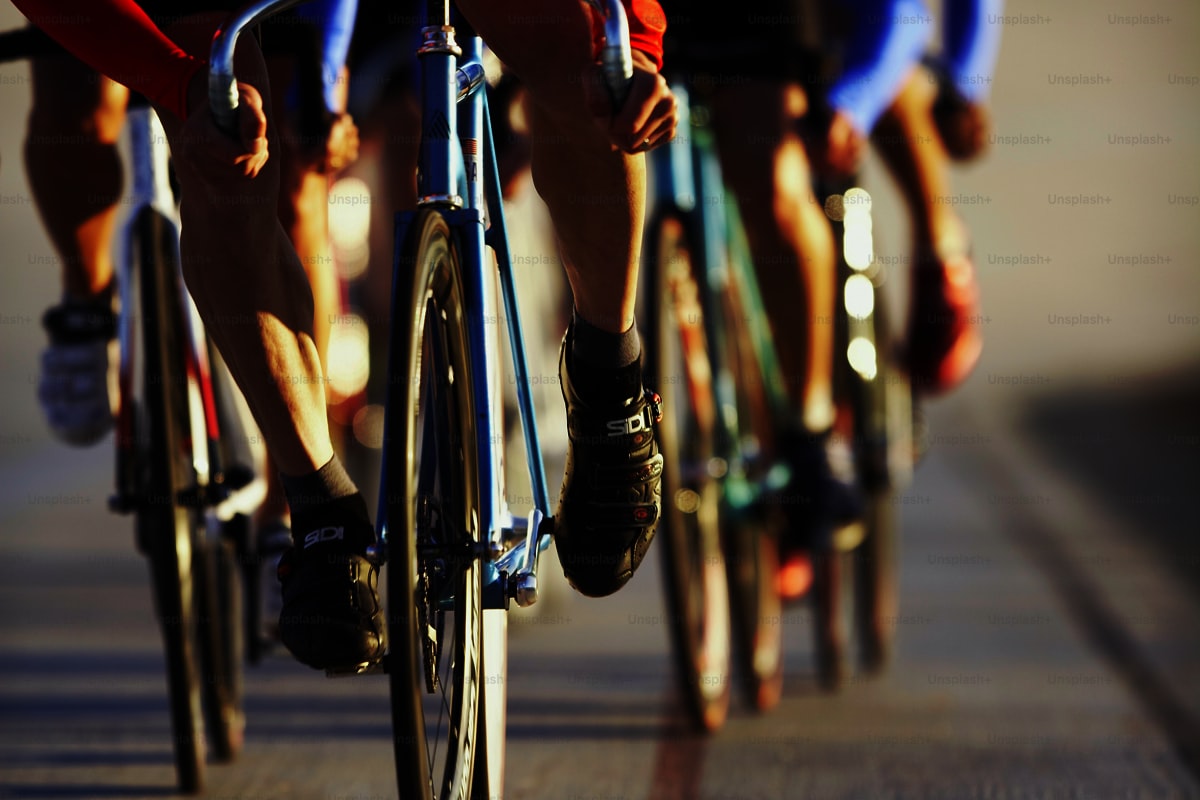
Olympic Distance Brick: 45km Bike + 10km Run
Session Overview
This Olympic distance brick simulates your race-day bike-to-run transition at full effort. You’ll ride 45km at race pace, then immediately lace up for a 10km run — training your legs to adapt from cycling mechanics to running stride. Expect the first 2km of the run to feel uncomfortable — that’s the adaptation you’re chasing.
What You’ll Need
- Road or triathlon bike in good working order
- Running shoes and race kit (practice your T2 transition)
- Nutrition: 1–2 gels for the bike leg, water at T2
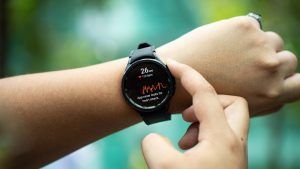
- GPS watch to track pace and effort
Warm-Up (20 minutes)
Ride the first 20 minutes easy at zone 2 (RPE 4–5), spinning at 85–95 rpm to loosen the legs and elevate your core temperature. Throw in 4 x 20-second high-cadence surges (100+ rpm) in the final 5 minutes to prime the neuromuscular system for race-pace effort.
Main Set
The bulk of the bike should be at Olympic distance race effort — RPE 7–8, equivalent to approximately 85–92% FTP. The run should begin at your target race pace and hold it for the full 10km, even when your legs feel like concrete.
- Bike: 25km at Olympic race pace (RPE 7–8, ~88% FTP)
- Bike: Final 5km — push to RPE 8–9, simulate race finishing effort
- T2 transition: practise racking bike, removing helmet, shoes on fast
- Run: 10km — start at target 10km run split pace, maintain to finish
Cool-Down (10 minutes)
After completing the 10km, walk for 5 minutes to bring your heart rate down, then gently jog for another 5 minutes at RPE 2–3. Stretch hip flexors, quads, and calves — the muscle groups hit hardest in an Olympic triathlon.
Coaching Notes
- Do not start the run too fast — your bike legs will feel deceptively heavy. Trust your pace and settle into a rhythm within the first kilometre.
- Practice taking on nutrition on the bike exactly as you plan on race day — same product, same timing, same bottle position.
- If this is your first long brick, reduce to a 30km bike and 5km run and build up over 3–4 sessions.
- Aim to complete this session 2–3 weeks before race day. Too close to the race risks residual fatigue.
You Might Also Like

Training at your own risk. The information provided is for general guidance only and is not a substitute for professional medical advice. Please consult a doctor before starting any new exercise programme, especially if you have any pre-existing health conditions.