
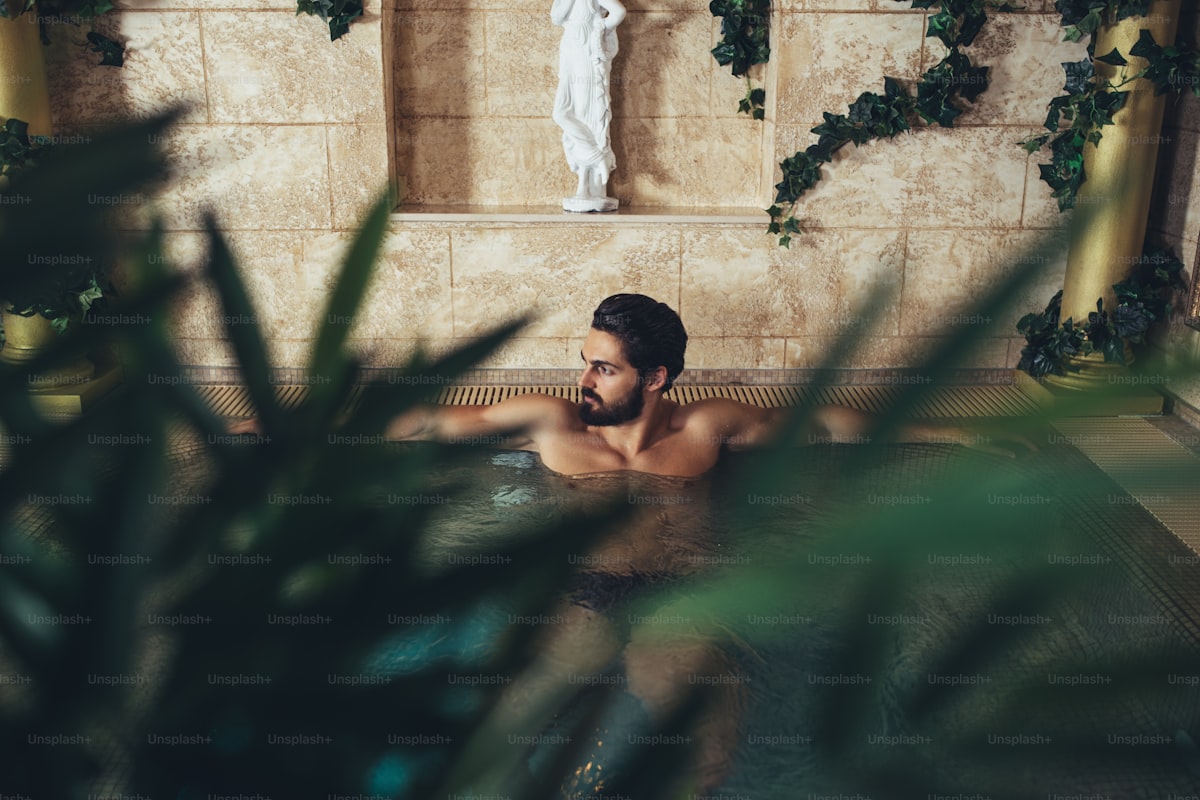
Recovery Swim: Active Recovery Session
This 30-minute recovery swim promotes active recovery without adding training stress. The gentle movement increases blood flow to tired muscles, helping flush metabolic waste whilst maintaining your feel for the water. Resist the temptation to push hard—today is about recovery, not fitness.
Session Overview
Duration: 30 minutes
Total Distance: 800-1000m
Intensity: Very easy (zone 1)
Focus: Relaxation, technique, mobility
When to Use This Session
Schedule this session the day after hard bike or run training, following a brick session, or between two demanding training days. It’s also valuable during recovery weeks when you’re reducing training volume but want to maintain movement patterns.
The Session
Easy Swimming (200m):
- Mix of freestyle and backstroke
- Focus on long, relaxed strokes
- No pace target—swim gently
- Breathing should be completely comfortable
- Think about loosening tight shoulders and hips
Gentle Kick Drills (150m):
- 3 x 50m easy kicking with short rest
- Use a kickboard or streamline position
- Keep kick gentle and flowing
- This mobilises ankles and loosens tight leg muscles
- If your legs are particularly tired, skip the kickboard and just kick on your back
Stroke Technique Play (250m):
- 50m catch-up drill (one arm waits whilst the other completes full stroke)
- 50m fingertip drag (fingertips trail along water surface during recovery)
- 50m fist swimming (make fists to emphasise forearm in the pull)
- 50m single-arm freestyle (25m each arm)
- 50m easy freestyle focusing on whatever felt best in the drills
Mixed Strokes (200m):
- 50m backstroke
- 50m breaststroke
- 50m easy freestyle
- 50m choice of stroke (whatever feels most relaxing)
Easy Freestyle (150m):
- Long, smooth strokes
- Focus on the glide phase
- Minimal effort
- Count your strokes per length—try to use fewer strokes by extending your glide
Floating and Stretching (50m worth of time):
- Float on your back and gently stretch arms overhead
- Slow, easy sculling movements
- Focus on deep, relaxed breathing
- Enjoy the feeling of weightlessness
Key Principles
Effort Level: If you can’t hold a conversation during this swim, you’re going too hard. Your heart rate should barely elevate. Think of this as moving meditation rather than training.
Stroke Count: Use this session to improve efficiency. With no pressure to swim fast, focus on reducing your stroke count per length. Fewer strokes mean you’re getting more distance per stroke—a key indicator of efficiency.
Breathing: Practice bilateral breathing (breathing on both sides) during the easy freestyle portions. Recovery sessions provide the perfect opportunity to work on skills without the distraction of fatigue or pace targets.
What Recovery Swimming Achieves
Active recovery swimming promotes blood circulation without creating muscle damage or depleting glycogen stores. The water’s hydrostatic pressure gently compresses your muscles, helping reduce inflammation and move metabolic waste products.
The horizontal body position takes pressure off your spine and weight-bearing joints, offering relief after the pounding of running or the sustained positions of cycling.
Perhaps most importantly, these easy sessions maintain your feel for the water and keep your technique sharp without adding fatigue. You’re investing in tomorrow’s hard session by recovering properly today.
Coaching Notes
Adapt the Distance: The 800-1000m target is a guideline. If you’re particularly fatigued, 600m of gentle swimming achieves the same recovery benefit. Listen to your body.
Make It Enjoyable: Recovery sessions should feel pleasant. If you’re dreading the pool, you’re approaching it wrong. Think of this as playtime in the water—experiment with drills, try different strokes, and rediscover why you enjoy swimming.
Post-Swim: Take an extra few minutes for gentle stretching poolside, focusing on shoulders, lats, and hip flexors. The warm pool environment makes this an ideal time for mobility work.
You Might Also Like



Training at your own risk. The information provided is for general guidance only and is not a substitute for professional medical advice. Please consult a doctor before starting any new exercise programme, especially if you have any pre-existing health conditions.