
Open Water Skills Circuit: Sighting, Buoy Turns and Drafting Combined
Session Overview
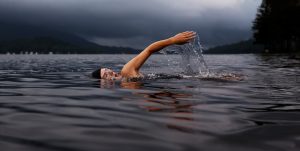
Most open water sessions practise endurance — this one targets the tactical skills that separate fast open water swimmers from merely fit ones. In 45 minutes you’ll work on sighting, buoy turns and drafting in a single combined circuit, building race-specific confidence across all three disciplines simultaneously rather than dedicating separate sessions to each.
What You’ll Need
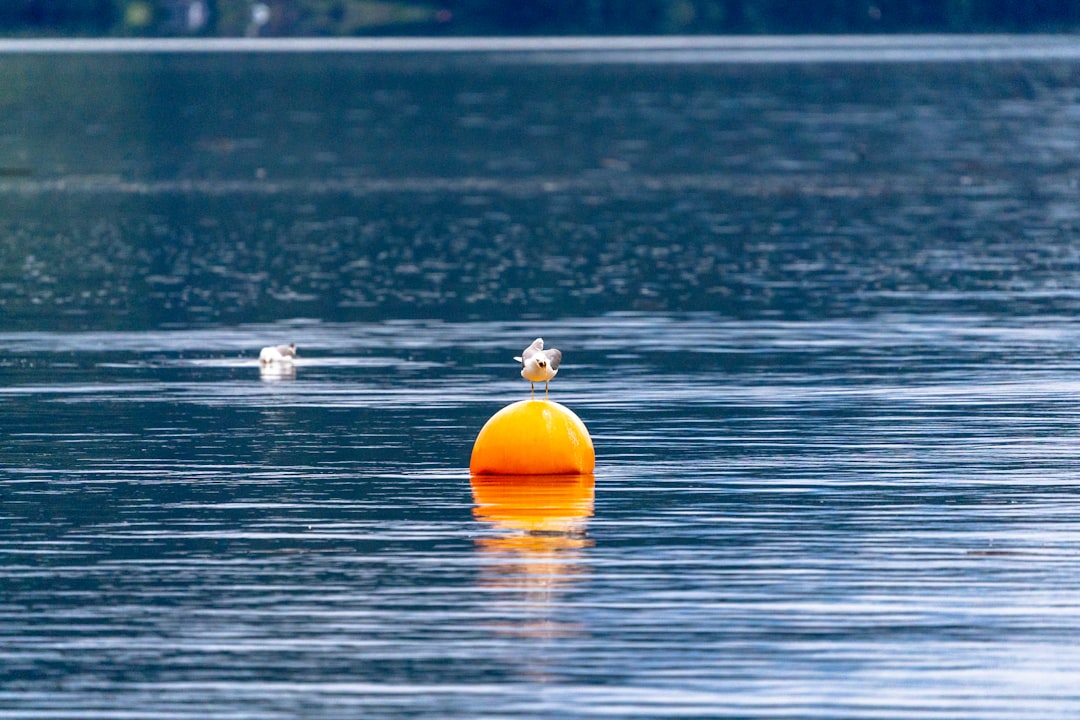
- Open water venue with at least two visible marker points or inflatable buoys
- Wetsuit (if water is below 22°C)
- Bright swim cap — a different colour from other swimmers so your training partner can spot you
- Safety buoy (strongly recommended for solo sessions)
- At least one training partner for the drafting segment
Warm-Up (8 minutes)
Swim 400m at easy effort, focusing purely on finding a comfortable rhythm in open water. Practise breathing bilaterally from the start to reduce fixation on any single side. Spend 2 minutes floating on your back to acclimatise your face to the water temperature before beginning the skill work.
Main Set
Three full circuits, each covering all three skills. Swim between two fixed points approximately 100–150m apart.
- Segment A — Sighting drill (200m): Swim your route while lifting your eyes clear of the water every 6 strokes. Aim for the far point. Assess your actual path vs your intended line at the end of each 200m — every extra metre swum costs you time in a race.
- Segment B — Buoy turns (200m × 3 reps): Approach the buoy or marker at race pace, execute a tight turn to the left (the standard racing direction), and accelerate out for 8 strokes before settling back into rhythm. Practise the “crescent” path: don’t cut so tight you hit the buoy, don’t go so wide you lose position.
- Segment C — Drafting (200m with partner): Swim directly behind a partner at 30–50cm distance. The lead swimmer swims at moderate effort; the drafter focuses on maintaining position at the feet without touching. Switch after each 200m. Research shows drafting can reduce drag by up to 25% — this skill is worth practising.
- Rest 90 seconds between circuits. Complete 3 full circuits.
Cool-Down (5 minutes)
Swim 200m very easy breaststroke or backstroke with no goggles to help your eyes adjust to open air. Exit the water slowly — blood pressure can drop quickly on exiting cold water, particularly after an intensive session.
Coaching Notes
- The most common sighting error is lifting the head before your leading hand fully enters the water — this causes your hips to drop and slows you significantly. Practise the “alligator eyes” technique: just skim the surface with your eyes before returning your face to the water.
- In races, sight every 8–10 strokes in calm conditions, every 4–6 in choppy water.
- Easier variation: use a pool lane for buoy-turn and drafting practice if open water is unavailable.
- RPE throughout the session: 5–6/10. The goal is skill development, not cardiovascular stress.
You Might Also Like
Training at your own risk. The information provided is for general guidance only and is not a substitute for professional medical advice. Please consult a doctor before starting any new exercise programme, especially if you have any pre-existing health conditions.