

Open Water 90-Minute Zone 2 Endurance Swim
Session Overview
This 90-minute open water session develops the aerobic endurance base needed for 70.3 and Ironman swim legs. Staying in Zone 2 throughout, you’ll log continuous time in the water to build efficiency, confidence, and fatigue resistance under realistic race conditions.
What You’ll Need
- Open water venue with marked course or GPS swim watch
- Wetsuit (optional if water temperature is above 22°C)
- Open water safety buoy
- Swim partner or kayak support (strongly recommended)
Warm-Up (10 minutes)
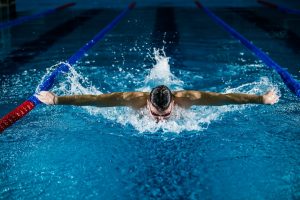
Enter the water gradually and begin with 10 minutes of easy freestyle with no pace targets — just feel. Focus on settling your breathing, adjusting to the water temperature, and establishing a comfortable bilateral breathing rhythm before the main effort begins.
Main Set
Swim continuously for 70 minutes at a comfortable aerobic pace — you should feel like you could speak if you paused. Aim for smooth sighting every 8-10 strokes and a consistent stroke rate throughout. Break the effort into three mental phases to stay engaged.
- 0-20 min: settle into Zone 2, establish your sighting rhythm and breathing cadence
- 20-60 min: steady aerobic cruise, long efficient strokes, minimise drift
- 60-70 min: hold pace or nudge slightly harder — don’t fade on the way back to shore
Cool-Down (10 minutes)
Exit at 80 minutes and spend 10 minutes stretching on the bank — prioritise shoulders, chest, and hip flexors. If still in the water, switch to backstroke for the final 5 minutes to open up your chest and decompress after a sustained prone position.
Coaching Notes
- Zone 2 should feel like RPE 5-6/10 — you’re working aerobically but could continue for much longer.
- If your form breaks down before 60 minutes, that’s your current endurance ceiling — build from there week by week.
- Beginners: start with 45-60 minutes continuous open water swimming and add 10-15 minutes per week to reach 90 minutes.
- Never swim open water alone — always use a swim buddy or inform someone of your plan and expected finish time.
You Might Also Like




Training at your own risk. The information provided is for general guidance only and is not a substitute for professional medical advice. Please consult a doctor before starting any new exercise programme, especially if you have any pre-existing health conditions.