
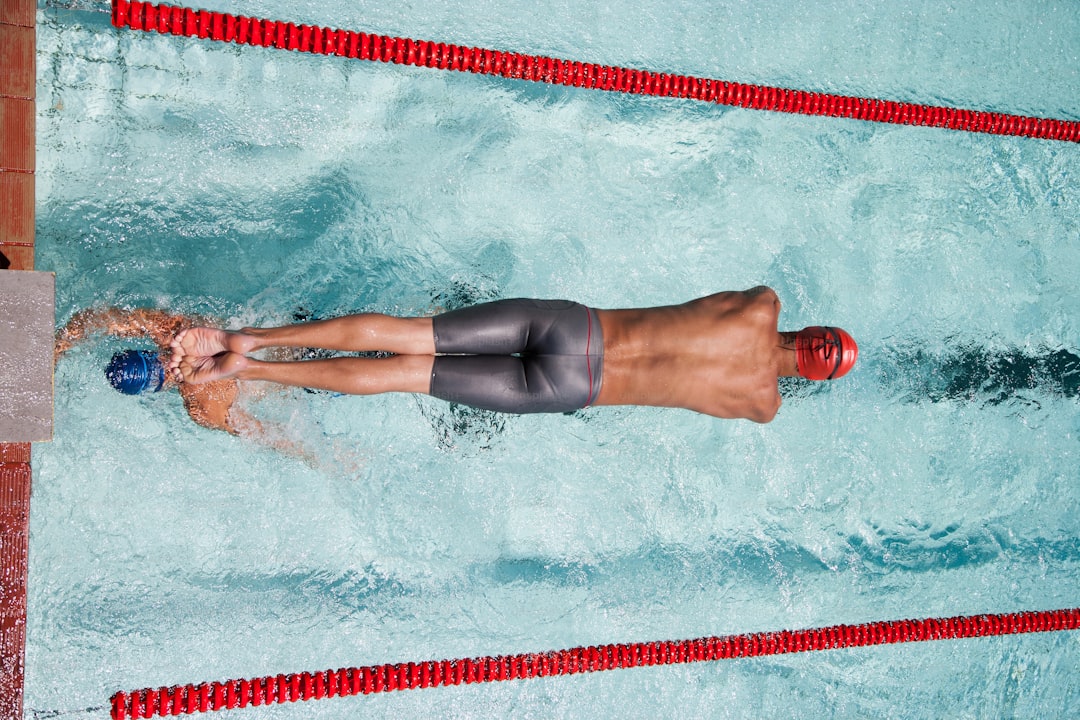
Cold Water Open Water Acclimatisation Swim Session
Session Overview
This 60-minute open water session builds your body’s tolerance to cold water — an essential skill for UK triathlon racing from April through October. Progressive immersion and steady effort help suppress the cold shock response so you can race with confidence regardless of conditions.
What You’ll Need
- Wetsuit (5mm recommended below 14°C, 3mm above 16°C)
- Two swim caps for added insulation
- Bright tow float (mandatory if swimming alone)
- Entry landmark or buoy sighting point
- Dry robe and changing mat
Warm-Up (10 minutes)
Before entering the water, spend 5 minutes on land with dynamic movement: arm circles, jumping jacks, high knees and torso rotations to raise your core temperature. Enter slowly — pause at knee, hip and chest depth to allow controlled breathing. Begin with easy breaststroke for 3–4 minutes until your breathing settles.
Main Set
Progressive effort over 40 minutes to build cold tolerance and open water confidence.
- 5 minutes easy breaststroke — focus on slow, controlled exhales through the nose
- 10 minutes front crawl at Zone 1–2 effort, sighting every 10 strokes
- 3 × 5-minute efforts at Zone 2–3, with 2 minutes easy breaststroke between each
- 10 minutes Zone 2 continuous front crawl — maintain a smooth, relaxed stroke
Cool-Down (5 minutes)
Ease your pace gradually over the final 3 minutes. Exit deliberately — rushing spikes your heart rate. Wrap in your dry robe immediately and walk gently for 3–5 minutes to maintain circulation before changing.
Coaching Notes
- The cold shock response peaks in the first 30–90 seconds — slow, deliberate breathing at entry is your most important tool
- If you begin hyperventilating, roll onto your back, spread your arms and breathe slowly until it passes before resuming
- Beginners: shorten Zone 2–3 efforts to 3 minutes and extend breaststroke recovery between them
- Advanced: remove breaststroke recovery entirely and hold Zone 2–3 effort throughout the 40-minute main set
You Might Also Like



Training at your own risk. The information provided is for general guidance only and is not a substitute for professional medical advice. Please consult a doctor before starting any new exercise programme, especially if you have any pre-existing health conditions.