
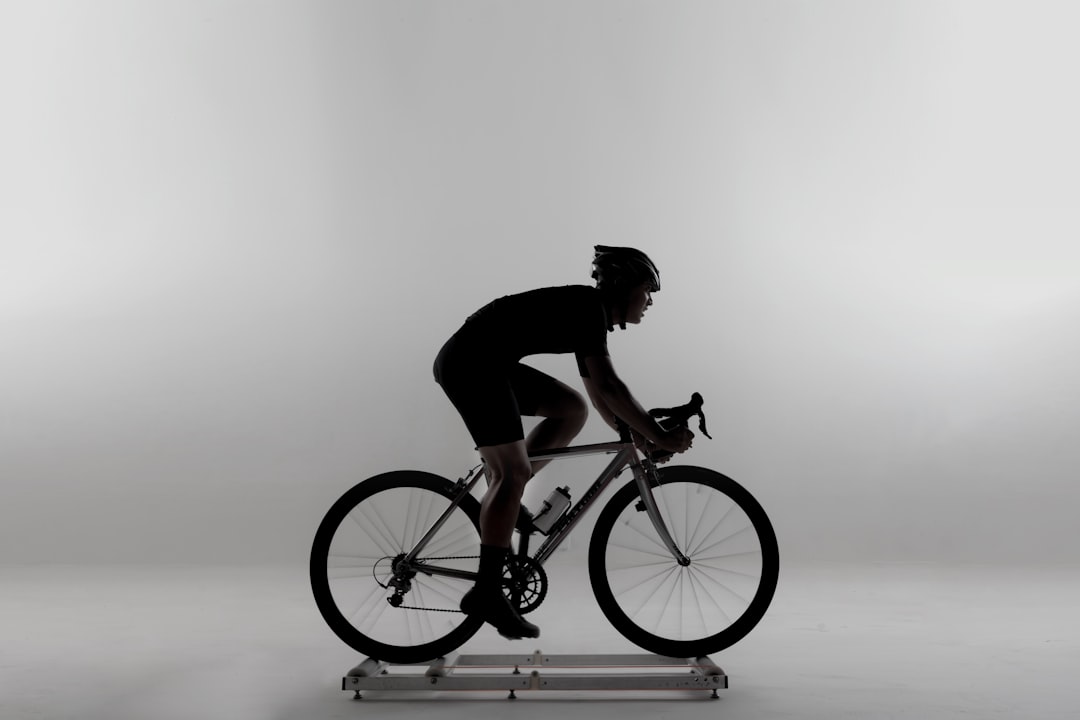
Fasted Zone 2 Turbo Ride: 2-Hour Fat Adaptation Session
Session Overview
This 2-hour indoor turbo ride is performed in a fasted state (before breakfast) at Zone 2 intensity to promote fat oxidation and improve metabolic efficiency. Used consistently over several weeks, fasted Zone 2 training teaches your body to rely more on fat as fuel — reducing carbohydrate dependency during long-course racing.
What You’ll Need
- Turbo trainer or smart trainer
- Heart rate monitor — essential for accurate Zone 2 targeting
- Water: at least 1.5 litres (plain water, no carbohydrate drink)
- Fans for cooling — overheating raises heart rate above target zone
- Salt tablets or zero-calorie electrolytes (optional)
Warm-Up (15 minutes)
Begin at an easy spin at 60–65% of max heart rate, cadence around 85–90rpm. The warm-up is longer than usual because fasted muscles are cooler. The first 15 minutes should feel almost uncomfortably easy — resist any urge to push harder.
Main Set
Ride continuously in Zone 2 (65–75% max HR, RPE 4–5, able to hold a full conversation) for 90 minutes. There is no interval structure — the discipline is staying in the zone without drifting into Zone 3. If HR creeps up in the final 30 minutes, reduce power rather than pushing through.
- Minutes 15–45: Settle into Zone 2. Cadence 85–95rpm. HR 65–70% max.
- Minutes 45–75: Maintain pace. If HR drifts 1–2bpm, a small power reduction is fine.
- Minutes 75–105: Final block. Relax form; power may drop slightly — this is acceptable.
Cool-Down (15 minutes)
Spin very easy for 15 minutes at RPE 2–3, below 60% max HR. Do not stop abruptly — a gradual cool-down prevents post-ride lightheadedness. Eat a balanced recovery meal within 30 minutes of finishing.
Coaching Notes
- Only do fasted rides when fully recovered. If fatigued or unwell, eat first — this session requires your body to be in good health to adapt positively.
- Goal is metabolic adaptation, not suffering. If you feel dizzy or significantly impaired, stop and eat.
- Fasted training is Zone 2 only. Never do intensity sessions fasted — no benefit, increased injury risk.
- New to fasted riding? Start at 60 minutes, build to 90, then 120 over several weeks.
- Zone 2 by power: approximately 55–65% of FTP. By HR: 65–75% of max HR.
You Might Also Like




Training at your own risk. The information provided is for general guidance only and is not a substitute for professional medical advice. Please consult a doctor before starting any new exercise programme, especially if you have any pre-existing health conditions.