Best Running Shoes for Triathlon Training
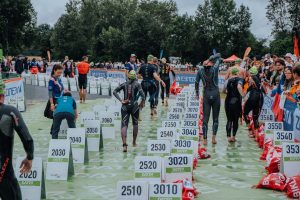
Running off the bike in triathlon places unique demands on your feet and legs. Your shoes need to handle tired legs, potentially wet feet, and quick transitions. Here’s how to choose the right pair for training and racing.
Training Shoes vs Race Shoes
Your daily training shoe should prioritise cushioning and durability — you’ll be covering the most miles in these. Race shoes can be lighter and more responsive, but they often sacrifice durability. Many triathletes keep two pairs: a cushioned trainer for daily runs and a lighter shoe for speed work and races.
Key Features for Triathletes
- Quick lacing: Elastic laces (lock laces) save valuable seconds in T2 and let you skip tying knots with tired hands
- Drainage: Mesh uppers dry faster if your feet are wet from the swim/bike
- Heel counter: A firm but not rigid heel counter helps when you’re sliding shoes on without socks
- Stack height: Higher stack shoes offer more cushioning for tired legs off the bike
Recommended Running Shoes
Our top picks for triathlon training and racing:
ASICS Gel-Nimbus 26 — Best Cushioned Daily Trainer
The ASICS Gel-Nimbus 26 is a plush, well-cushioned shoe that’s ideal for easy runs and long sessions. The FF Blast Plus Eco midsole absorbs impact brilliantly, which your legs will thank you for during brick runs off the bike. It’s durable enough to handle 600-800km before needing replacing. Around £140-170.
Nike Pegasus 41 — Best All-Rounder
The Nike Pegasus 41 has been a favourite of runners for decades, and the latest version doesn’t disappoint. It’s versatile enough for easy runs, tempo sessions, and race day. The React X foam is responsive without being too firm, and the engineered mesh upper dries quickly. Around £110-130.
HOKA Clifton 9 — Best for Maximum Cushioning
The HOKA Clifton 9 offers outstanding cushioning in a surprisingly lightweight package. The thick midsole is particularly forgiving on tired legs — making it a popular choice for triathletes who want maximum comfort during the run leg. The early-stage meta-rocker design promotes a smooth heel-to-toe transition. Around £120-140.
Brick Run Considerations
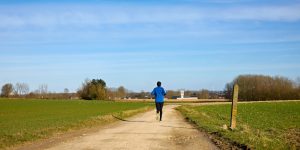
Running after cycling (a “brick” session) feels different to a standalone run. Your legs are pre-fatigued and your running form may change. A shoe with good stability and cushioning helps compensate for this. Practice your brick runs in the same shoes you plan to race in.
Fitting Tips
Get fitted at a specialist running shop if possible. Try shoes later in the day when your feet are slightly swollen (similar to during a race). Leave a thumb’s width between your longest toe and the end of the shoe. If you plan to race without socks, try the shoes on without socks too.