Best Cycling Sunglasses for Triathlon 2026
Sunglasses matter more on the bike leg than anywhere else in triathlon — you’re moving fastest, facing the most wind and road debris, and the sun (or rain) is hitting you at a low, unshaded angle for the longest single stretch of the race. Fit and lens choice make a bigger practical difference here than brand name.
What to Look For
- Lens tint — a photochromic or interchangeable-lens set covers a dawn transition start through to full midday sun without needing two pairs of glasses.
- Ventilation — look for vents or a slight lens gap; without it, glasses fog during the transition run and on hard climbs.
- Wraparound coverage — a wide, curved lens blocks wind-driven grit and reduces eye strain at speed better than a flat-lens design.
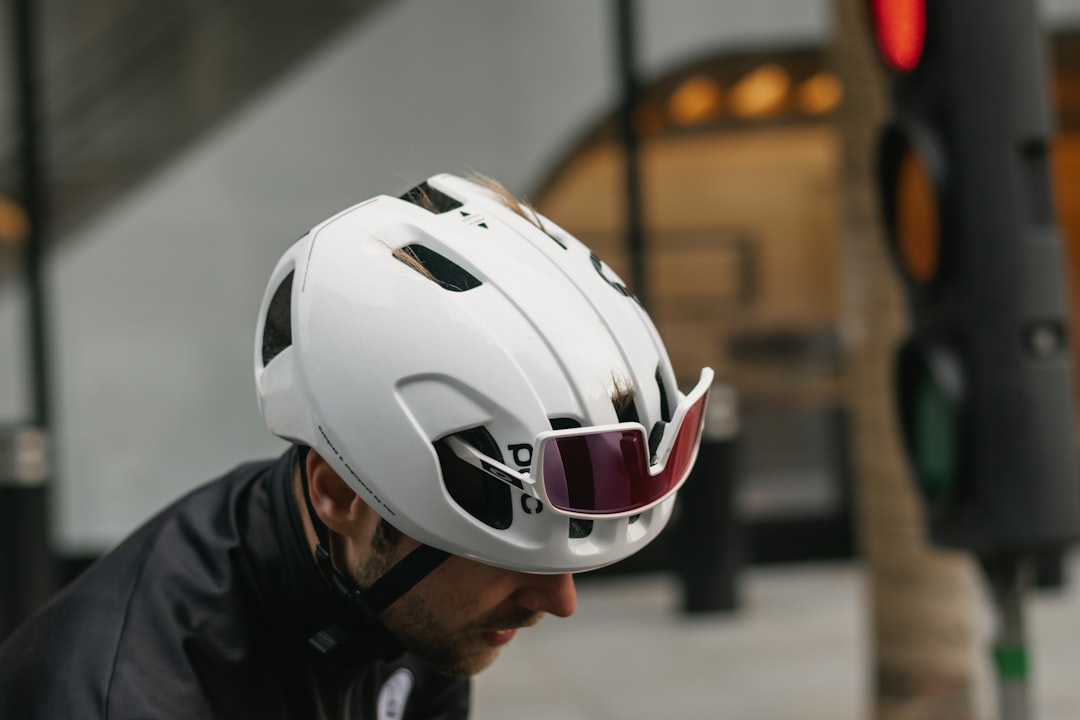
- Secure fit under a helmet — check the arm doesn’t clash with your helmet strap, and that the nose piece won’t slip with race-day sweat.
Our Picks
Best Value: Tifosi Salto
A single-lens wraparound design that covers the basics — wind protection, decent coverage, a grippy nose piece — without the price tag of the premium options below. Tifosi has built a solid reputation among cyclists specifically for budget eyewear that doesn’t feel cheap on the road.
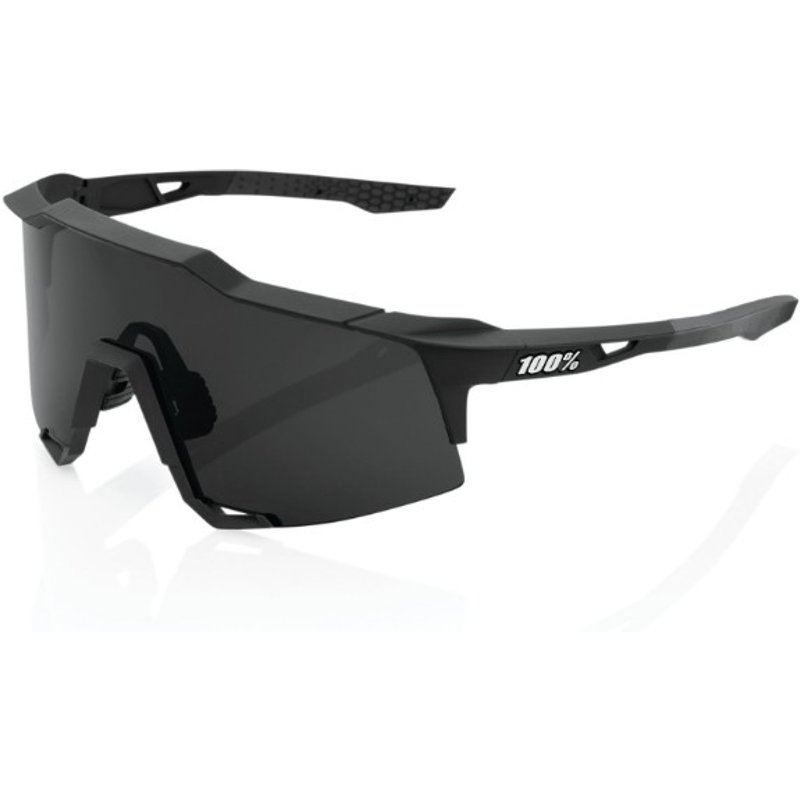
Best Overall: 100% Speedcraft Sport
100%’s Speedcraft shape is one of the most widely raced designs in the pro peloton, and the “Sport” version brings that fit down to a mid-range price. Wide lens coverage, good peripheral vision for spotting road hazards, and a shield-style build that stays put through hard efforts.
Best Premium: Oakley Sutro
Oakley’s Sutro is built with the brand’s Prizm lens technology, which genuinely improves contrast on the road compared to a flat tint — easier to spot potholes and debris at speed. The trade-off is price, and it’s worth it mainly if you already value Oakley’s optics on other kit or want a pair that doubles as everyday sunglasses off the bike.
Check price on Tredz — £115.00
Buying Tips
- Try the glasses on with your actual race helmet before buying, not just in isolation — arm and helmet strap conflicts are the most common fit complaint.
- Buy a clear or light lens as a backup if you race early-morning starts through into full daylight and don’t want to spend on a photochromic pair.
- Prices above are correct at time of writing and worth rechecking before you buy, since Tredz pricing moves with stock.
Care and Maintenance
Rinse lenses with water before wiping to avoid grinding grit into the coating, and store in a hard case rather than a jersey pocket where they can get crushed or scratched. Replace nose pads and arm grips when they harden or discolour — most premium models sell these as cheap spare parts rather than requiring a full replacement.
This article contains affiliate links. If you purchase through these links, we may earn a small commission at no extra cost to you. This helps support The Triathlete.