Wahoo TICKR Fit vs Garmin HRM-Pro Plus: Best Heart Rate Monitor for Triathletes 2026
What to Look For
Wrist-based optical heart rate has closed a lot of ground on chest straps, but for structured intervals and running power/dynamics, a dedicated strap or armband still gives more consistent, lower-latency data. Wahoo’s TICKR FIT and Garmin’s HRM-Pro Plus are the two most-recommended options for triathletes right now, and they take genuinely different approaches to comfort versus data depth.
Key Features to Consider
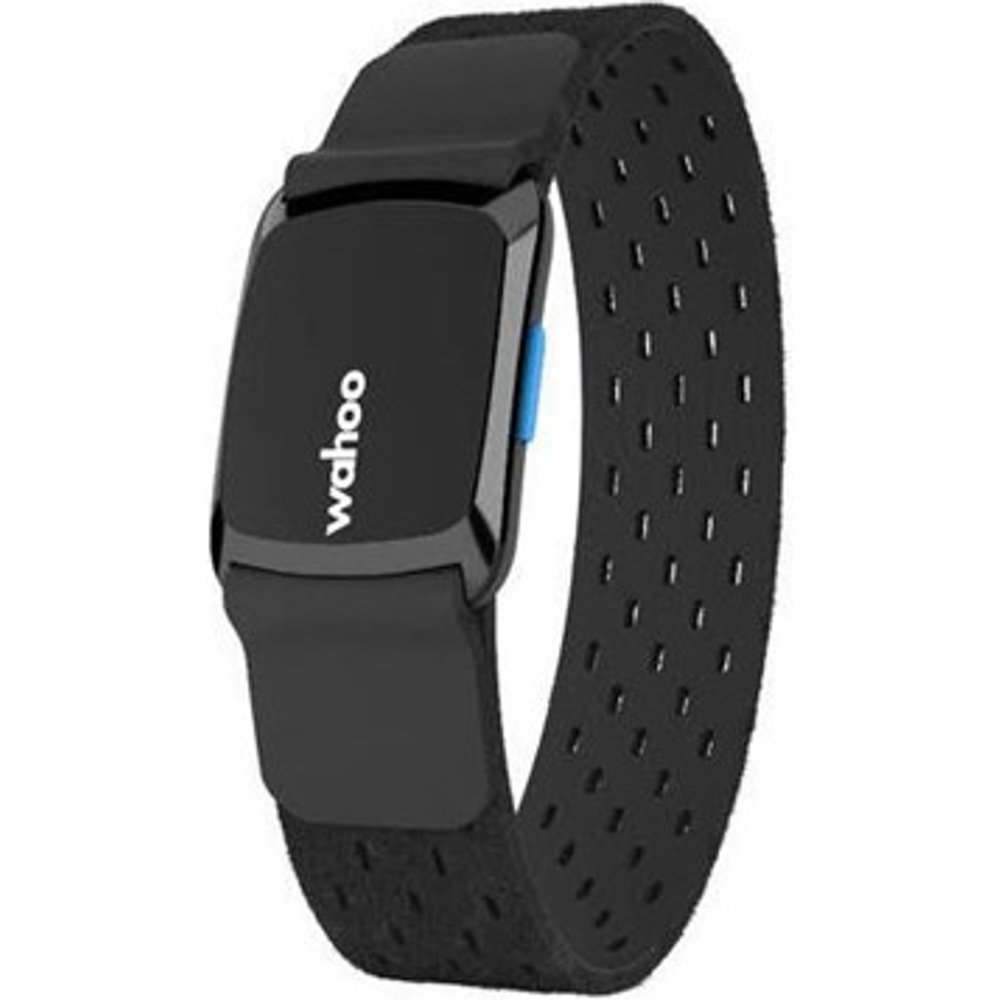
- Sensor location and comfort — TICKR FIT is an optical sensor worn on the forearm, which many triathletes find far more comfortable than a chest strap for long sessions, and it avoids chest strap chafing during a wetsuit swim warm-up. HRM-Pro Plus is a traditional chest strap using ECG-accurate electrodes.
- Data depth — HRM-Pro Plus captures Garmin’s full running dynamics suite (vertical oscillation, ground contact time, stride length) and can power running power estimates on a compatible Garmin watch — none of which an armband can measure. If you train off running form metrics, the chest strap wins outright.
- Connectivity — Both broadcast on dual ANT+ and Bluetooth Low Energy, so either pairs with a Garmin, Wahoo, or third-party head unit and apps like Zwift or TrainerRoad.
- Battery life — HRM-Pro Plus is rated for up to a year on a single coin-cell battery with a tool-free door for swaps. TICKR FIT uses a rechargeable battery, so it needs topping up periodically like any other electronic device.
Our Top Picks
Best for Comfort: Wahoo TICKR FIT
If chest strap chafing has ever put you off wearing a heart rate monitor consistently, the armband format solves that outright while still giving accurate, real-time heart rate for pacing and zone work across swim warm-up, bike and run.
Check price on Tredz — £57.00 at time of writing (RRP £64.99)
Best for Running Data: Garmin HRM-Pro Plus
If you’re chasing running power, cadence and ground contact time to sharpen your run form, the chest strap’s extra sensors are the only way to get that data — no wrist or armband sensor currently matches it for depth.
Buying Tips
- If your watch is already a Garmin, HRM-Pro Plus unlocks the deepest on-device running metrics without third-party apps.
- Fit an armband snugly, high on the forearm — a loose fit is the most common cause of optical heart rate dropouts.
- Neither monitor is swim-rated for open water heart rate broadcast to a watch (Bluetooth/ANT+ don’t transmit underwater) — both still record and store swim HR to sync afterward.
Care and Maintenance
Rinse both in fresh water after every sweaty or open-water session and let them air dry fully before storing — salt and dried sweat are the main causes of skin irritation and connection dropouts over time.
This article contains affiliate links. If you purchase through these links, we may earn a small commission at no extra cost to you. This helps support The Triathlete.