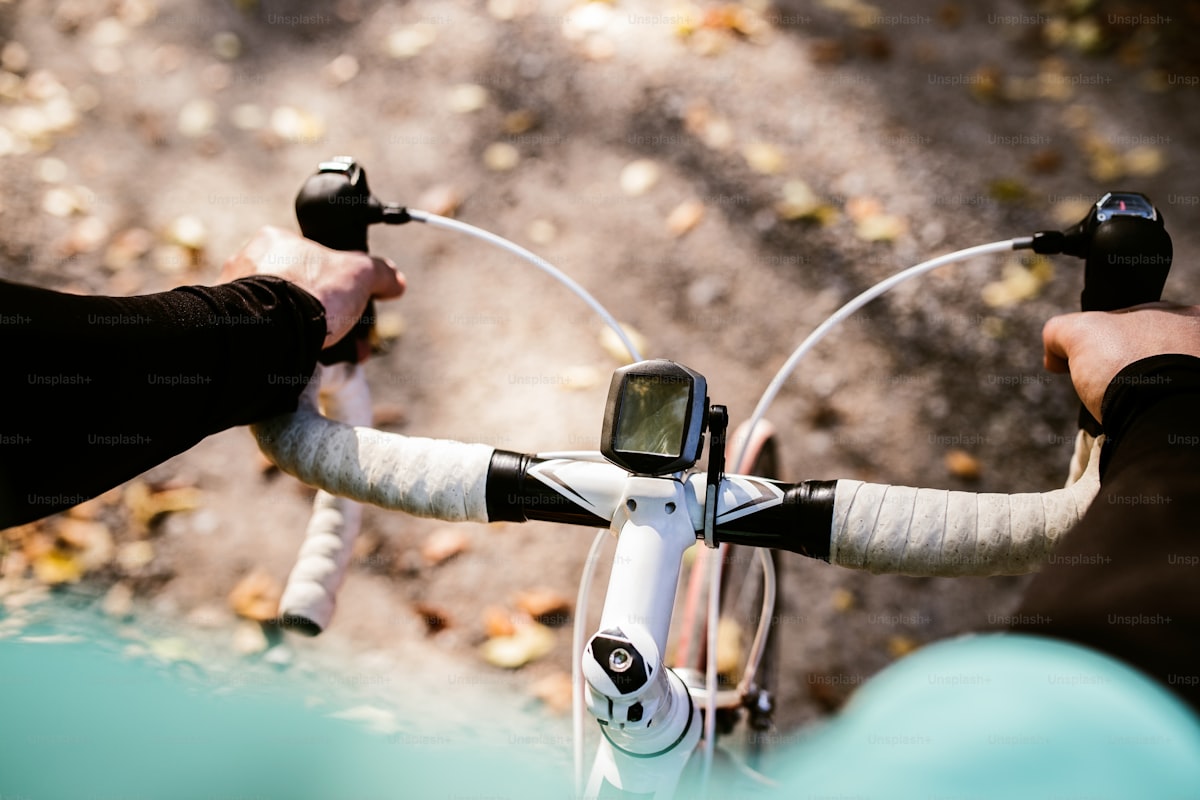
Best Triathlon Bike Computers 2026: Garmin vs Wahoo
What to Look For
A bike computer transforms your training and racing by giving you real-time power, pace, navigation, and heart rate data — all without reaching for your watch. For triathletes, a dedicated head unit on your bars means you can race to power targets in T1 and focus entirely on the bike leg with the right data at a glance.
Key Features to Consider
- Power meter compatibility — Look for ANT+ and Bluetooth connectivity so your unit pairs with any power meter (Wahoo, Garmin, Favero, etc.) and your turbo trainer. This is non-negotiable for structured training.
- Navigation — Colour mapping and turn-by-turn navigation keep you on course in unfamiliar race venues. Essential for 70.3 and Ironman events where the bike course is new territory.
- Screen size and readability — Bigger isn’t always better, but a 3.5″+ touchscreen is easier to read in direct sunlight and gloves. Check contrast ratio ratings, not just screen size.
- Battery life — Sprint triathlons need 2–3 hours; Ironman athletes need 15–20 hours. Factor in GPS-on battery life, not just standby time.
Our Top Picks
Best Overall: Garmin Edge 540
The Garmin Edge 540 hits the sweet spot for performance triathletes: full colour mapping, ClimbPro gradient assistance, 26-hour battery life, and compatibility with all ANT+ power meters and sensors. Its compact 2.6″ screen is readable in all light conditions, and Garmin’s Connect ecosystem means your training data syncs seamlessly across devices. At around £280, it’s the number-one choice for riders who train and race seriously.
Best Value: Wahoo ELEMNT Bolt V2
If you’re a Wahoo ecosystem user, the ELEMNT Bolt V2 is the ideal companion to your KICKR trainer. Setup takes minutes via the Wahoo app, navigation syncs automatically from your planned routes, and its 15-hour battery easily covers most racing distances. The button-based interface (rather than touchscreen) is actually an advantage mid-race, where sweaty fingers on a touchscreen cause frustrating mis-taps.
Best Premium: Garmin Edge 1050
The Edge 1050 is Garmin’s flagship, featuring a 3.5″ solar-assisted touchscreen, 40-hour battery life, and advanced real-time coaching suggestions during your ride. For Ironman athletes, the solar charging is genuinely useful on long outdoor efforts — and the route planning tools are class-leading. At around £580, it’s a significant investment, but it’ll be on your bike for years.
Buying Tips
- Match your head unit brand to your existing ecosystem where possible. A Garmin watch and Garmin Edge communicate effortlessly; cross-brand pairing works but adds friction.
- You don’t need the most expensive unit to train effectively — the Edge 540 and ELEMNT Bolt V2 do everything 95% of triathletes need at half the price of flagship models.
- Check mount compatibility before buying. Most modern units use Garmin’s quarter-turn mount, but some aero bars require specific mounts (K-Edge, Zipp) that you’ll need to buy separately.
Care and Maintenance
Rinse your head unit with fresh water after wet or salty rides — especially if you’ve been near the sea or sweated heavily. Avoid leaving it mounted in direct sunlight for long periods, as prolonged heat exposure degrades the battery. Keep firmware updated to access new features and bug fixes.
This article contains affiliate links. If you purchase through these links, we may earn a small commission at no extra cost to you. This helps support The Triathlete.