
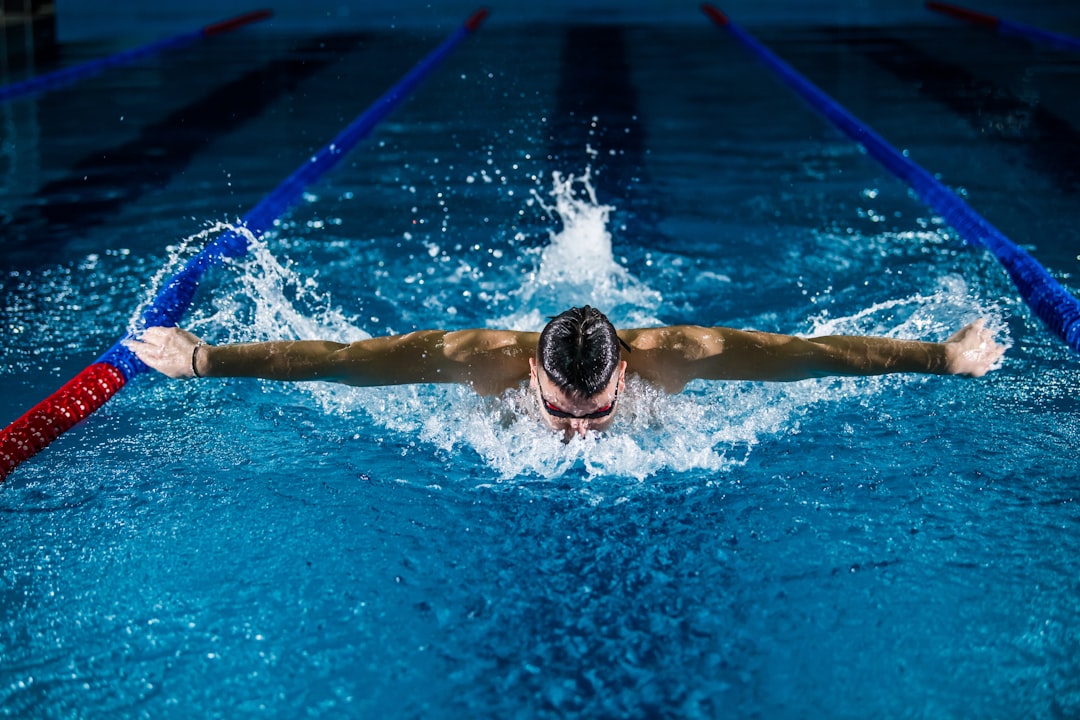
CSS Pool Session: 10×150m Critical Swim Speed Intervals
Session Overview
Critical Swim Speed (CSS) is the pace you can sustain continuously for around 30 minutes — your aerobic threshold for swimming. Training at CSS is highly effective for building open water race pace, improving stroke efficiency under fatigue, and developing the aerobic base needed for 1500m and 1900m race swims. This 10×150m session targets that exact intensity with enough volume to create a genuine adaptation stimulus.
What You’ll Need
- 25m or 50m pool
- Pool clock or pace-tracking watch
- Pull buoy (optional — for last 3 intervals if technique breaks down)
How to Find Your CSS Pace
Swim a maximal 400m effort and note your time. Then swim a maximal 200m effort (after 10 minutes rest) and note your time. CSS per 100m = (T400 − T200) ÷ 2. For example: 400m in 6:40, 200m in 3:00 = CSS = (400 − 180) ÷ 2 = 110 seconds = 1:50/100m. Use this as your target pace for the main set.
Warm-Up
- 400m easy swim — mix of front crawl and backstroke
- 4×50m build (easy → moderate → threshold → strong) with 15s rest
- 100m kick with board
- Total warm-up: ~1000m
Main Set
10×150m at CSS pace
- Rest interval: 20 seconds between each 150m
- Target pace: your CSS pace per 100m (calculated above)
- Focus: consistent splits throughout — do not go out fast and die. The session is designed to be completable at the same pace from interval 1 to interval 10.
- If you cannot maintain CSS pace by interval 7 or 8, you set off too fast or your CSS is underestimated — slow down slightly and recalculate.
Main set total: 1500m — the classic Olympic triathlon swim distance, completed at race threshold intensity.
Cool-Down
- 400m easy choice (backstroke or mixed)
- Focus on long, slow strokes — let heart rate and breathing settle
Coaching Notes
CSS training is most effective when performed 1–2 times per week over a 6–8 week training block. Retest your CSS at the end of each block — most athletes see their pace improve by 3–5 seconds per 100m after consistent CSS training. The short rest intervals (20 seconds) are intentional: they maintain metabolic stress without forcing full recovery. If 20 seconds feels too easy in the early intervals, stay disciplined — it will feel different by interval 8 or 9.
You Might Also Like





Training at your own risk. The information provided is for general guidance only and is not a substitute for professional medical advice. Please consult a doctor before starting any new exercise programme, especially if you have any pre-existing health conditions.