
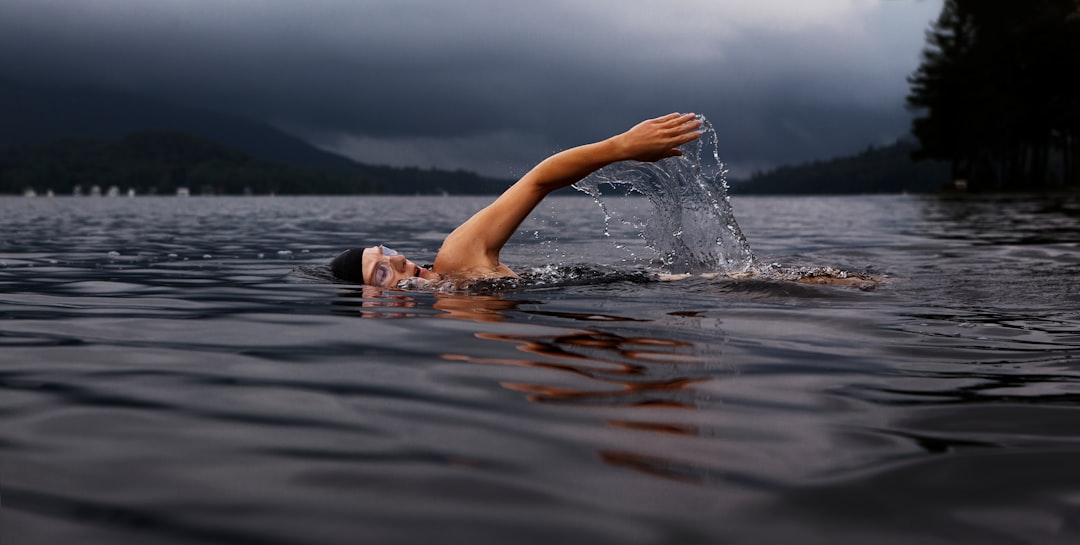
Open Water Zone 2 Aerobic Swim — 60-Minute Steady
Session Overview
This 60-minute open water swim at Zone 2 intensity builds your aerobic base in race-specific conditions. Most athletes only do intervals in open water — this session develops the sustained aerobic capacity that underpins all of your faster race efforts, at the exact pace you’ll hold on race day.
What You’ll Need
- Wetsuit (if water is below 22°C)
- Open water safety buoy (mandatory for solo swimming)
- Swim cap and goggles
- GPS watch with open water swim mode
- A buddy or lifeguard-supervised venue
Warm-Up (10 minutes)
Enter carefully and spend 10 minutes swimming easy — unhurried, long strokes, bilateral breathing. Focus on settling into the open water environment, managing any initial cold or anxiety response, and sighting every 8–10 strokes to stay on course.
Main Set
Swim continuously for 40–45 minutes at Zone 2 effort. Heart rate should sit at 65–75% of maximum — a talking pace where you could exchange short sentences between breaths.
- 40–45 minutes continuous: Zone 2, RPE 4–5. Smooth and consistent throughout.
- Sighting: Every 8–10 strokes — head up briefly, look to your target, head down quickly.
- Distance target: Approximately 2–2.5km depending on your pace.
Cool-Down (10 minutes)
Swim the final 10 minutes at an easier effort focusing on technique. Practise your open water exit — slow your stroke as you reach shallow water, find your feet, and stand smoothly to simulate a race day T1 entry.
Coaching Notes
- Never swim alone in open water — always use a safety buoy and a supervised or lifeguarded venue.
- If heart rate climbs above Zone 2, ease the pace. Cold water, anxiety, and chop all push HR higher — this is normal, just respond by slowing down.
- To make easier: reduce the main set to 25 minutes or choose a calmer, sheltered location.
- To make harder: include two 5-minute Zone 3 pick-ups within the main set.
- Use this session to practise sighting — you can give it full attention without the pressure of hitting intervals.
You Might Also Like
Training at your own risk. The information provided is for general guidance only and is not a substitute for professional medical advice. Please consult a doctor before starting any new exercise programme, especially if you have any pre-existing health conditions.