
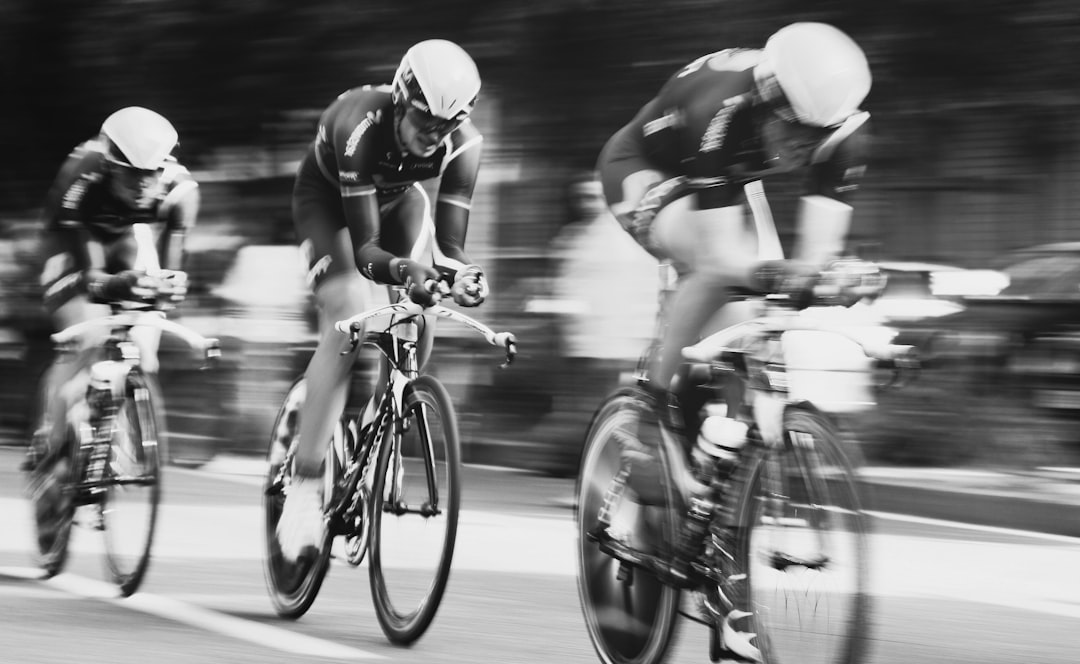
Olympic Distance Full Race Simulation Session
Session Overview
This is the complete Olympic triathlon experience in a training context — 1,500m swim, 40km bike, and 10km run completed end-to-end with race-pace transitions. It is the single most important preparation session for any athlete targeting an Olympic distance event, helping you practise race nutrition, test transition speed, and train your body to run effectively off the bike. Schedule this session in the final 4–6 weeks before your target race, backed up by easy recovery days either side.
What You’ll Need
- Pool or open water access (1,500m — 60 lengths of a 25m pool)
- Road or TT bike, helmet, nutrition (2–3 gels + 500ml electrolyte drink)
- Running shoes and race belt (optional but adds realism)
- Wetsuit if open water and racing wetsuit-legal
- GPS watch to track all three segments and transitions
Warm-Up (15 minutes)
Complete 300–400m of easy warm-up swimming with light shoulder and neck rotations before starting the main effort. If treating this as a full race simulation, begin your GPS recording at the start of the 1,500m effort and move directly into race pace. Your heart rate should be elevated but settled before the first buoy turn or pool wall turn.
Main Set
Complete all three disciplines at race effort (RPE 7–8 out of 10) and move directly between them with transitions performed at race speed. Do not rest between disciplines — this is the point. The objective is to simulate race-day conditions as closely as possible and identify any gaps in your preparation.
- Swim — 1,500m continuous: Target your CSS pace or slightly below (RPE 7). Sight every 6–8 strokes in open water. In the pool, focus on consistent split times across each 100m.
- T1 (swim to bike): Remove wetsuit, helmet on, shoes clipped in. Time yourself — target under 90 seconds.
- Bike — 40km: Settle into Olympic race effort after the first 5km (RPE 7–8). Take on 1–2 gels and 500ml of fluid on the bike. Aim for consistent power or perceived effort across the full 40km.
- T2 (bike to run): Rack bike, swap to run shoes, grab race belt. Target under 60 seconds.
- Run — 10km: Start at a comfortable pace for the first 2km as your legs adapt to running off the bike (brick legs are normal). Build to race pace from 2km onwards. RPE 7–8 for the final 5km.
Cool-Down (10 minutes)
Walk for 5–10 minutes post-run and complete gentle stretching for hips, quads, hamstrings, and calves. Consume recovery nutrition (carbohydrates and protein) within 30 minutes of finishing and stay hydrated for the rest of the day — this is a significant training load.
Coaching Notes
- Record your three discipline split times and both transition times. These become your pacing benchmarks for race day — the simulation is only as useful as the data you capture.
- Do not go all-out on a first simulation. A controlled RPE 7 run reveals far more about your fitness and fuelling than blowing up at RPE 9.
- Scale down: beginners can complete a sprint distance simulation (750m swim, 20km bike, 5km run) using exactly the same structure and principles.
- This session typically takes 2.5–3.5 hours depending on fitness — treat it as your longest training day of the week and plan easy sessions for the following 48 hours.
You Might Also Like


Training at your own risk. The information provided is for general guidance only and is not a substitute for professional medical advice. Please consult a doctor before starting any new exercise programme, especially if you have any pre-existing health conditions.