
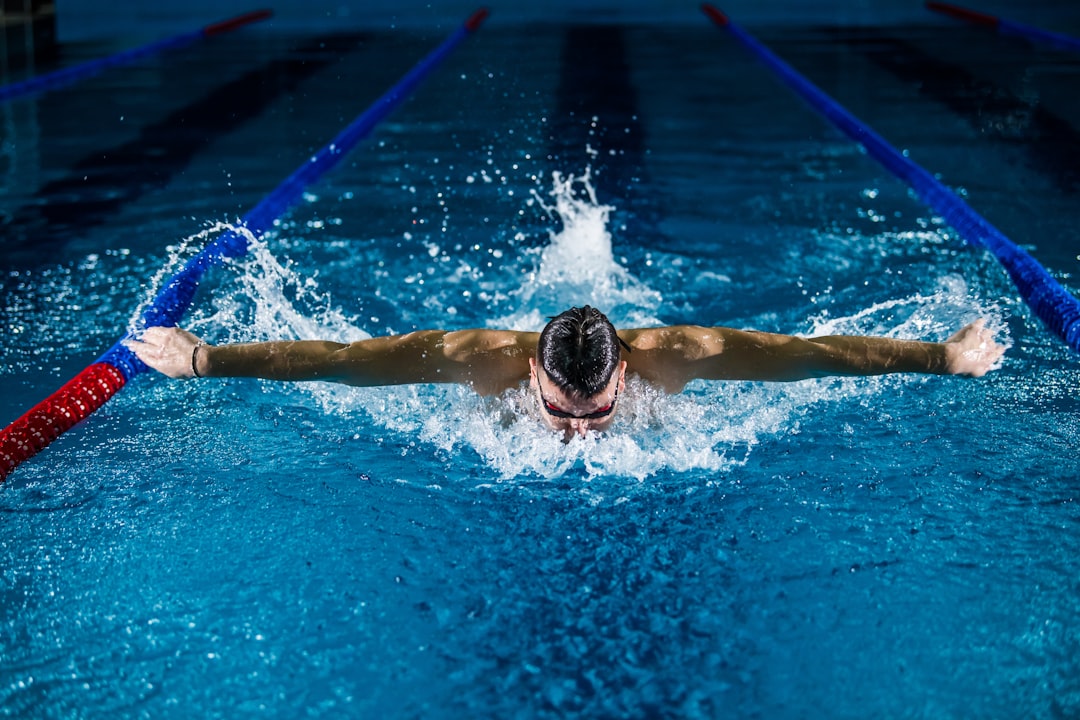
Sculling Drills and Catch Awareness Pool Session
Session Overview
This 45-minute pool session is built around sculling drills and catch mechanics — two of the most effective tools for developing a sensitive, powerful feel for the water. It is ideal for intermediate swimmers who want to improve stroke efficiency and get more out of every pull.
What You’ll Need
- Pool access (25m or 50m)
- Pull buoy (optional, for front-scull drill)
- Hand paddles (optional, final set only)
Warm-Up (8 minutes)
Swim 200m easy freestyle focusing on long, relaxed strokes. Then complete 4 x 25m kick-only on your back to wake up your core and hips. Rest 10 seconds between reps.
Main Set
The session uses three types of sculling, each targeting a different phase of your catch. Spend the first 15–20 seconds on each drill before transitioning to full freestyle for the rest of the length.
- 4 x 50m: Front scull (hands forward, wrists angled down, small figure-8 movements) into full freestyle — 15s rest
- 4 x 50m: Mid-point scull (elbows high, hands pressed back) into full freestyle — 15s rest
- 4 x 50m: Rear scull (hands near hips, push water back) into full freestyle — 15s rest
- 4 x 100m: Full stroke focusing on maximum distance per stroke — count your strokes per length and try to reduce by one — 20s rest
Cool-Down (5 minutes)
Swim 150m easy backstroke to open your chest and shoulders. Finish with 50m slow freestyle, focusing on a relaxed entry and long glide phase.
Coaching Notes
- Keep your elbows higher than your wrists in all sculling drills — this is the foundation of an effective catch
- Avoid tense hands; fingers should be relaxed and slightly spread to maximise surface area
- Track your stroke count in the DPS set — if your count drops, your efficiency is improving
- Beginners: halve the reps or use a pull buoy throughout to focus purely on arm movement
- RPE: sculling sets should feel controlled and deliberate at around 4–5/10; the DPS set rises to 6–7/10
You Might Also Like



Training at your own risk. The information provided is for general guidance only and is not a substitute for professional medical advice. Please consult a doctor before starting any new exercise programme, especially if you have any pre-existing health conditions.